German Minister Unveils Plans for Increased Work Hours
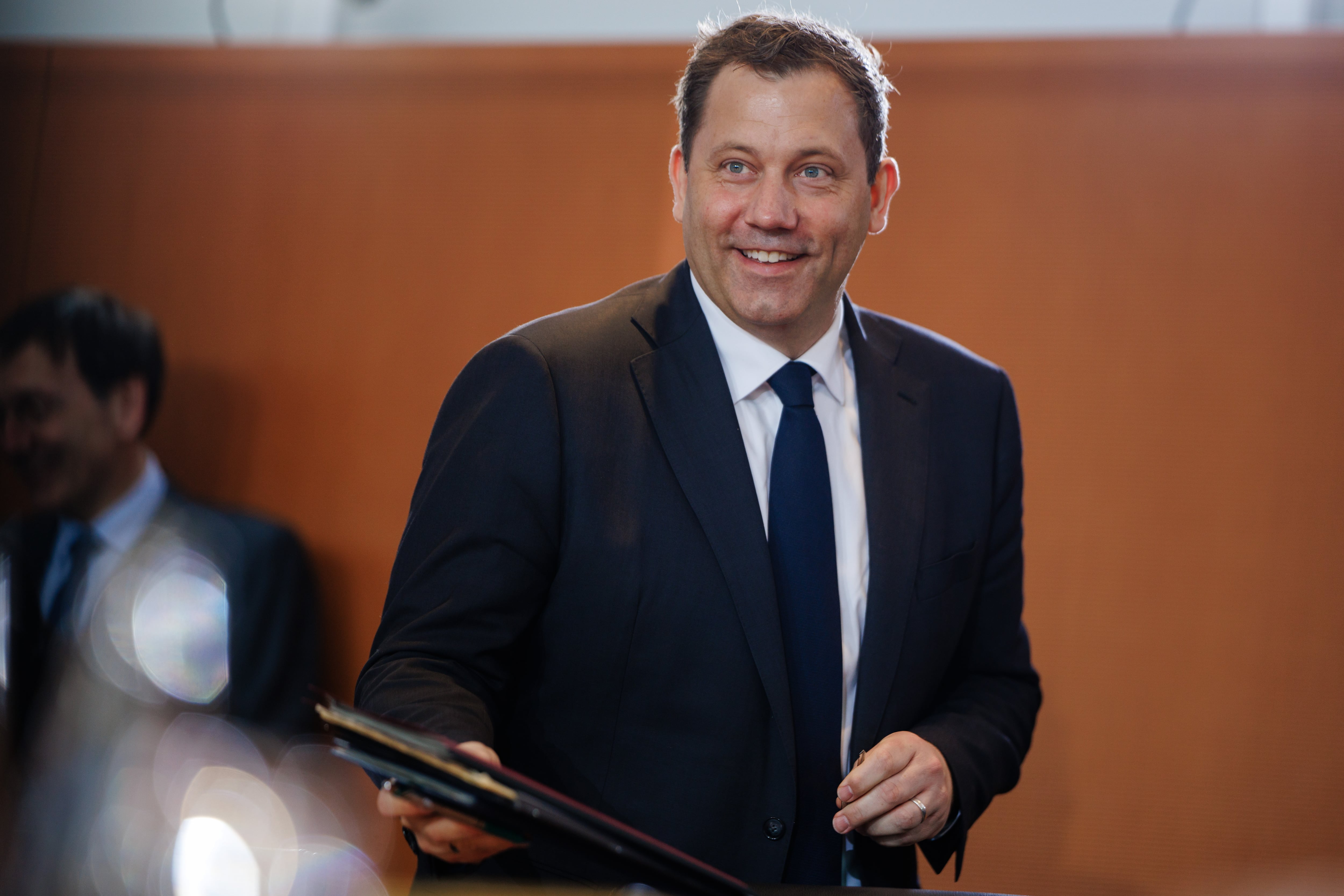
German Finance Minister Lars Klingbeil has announced a sweeping tax reform package aimed at boosting economic growth and addressing concerns about workforce participation. The proposals, which include measures to incentivize work and potentially shift tax burdens, are already sparking debate and opposition within the German government and among key political figures. This development signals a significant shift in Germany’s economic strategy.
The core of Klingbeil’s plan centers on increasing labor incentives through tax reforms, a strategy he argues is necessary to combat Germany’s recent economic weakness. He specifically advocates for a shift in focus towards greater workforce participation, a position that has drawn criticism, particularly from those in academia who fear the reforms could negatively impact their economic stability. Chancellor Merz and CSU leader Söder have expressed reservations, while SPD leader Klingbeil is pushing for these changes within the government. The proposals are intended to modernize Germany’s tax structure and address lingering economic challenges, but their implementation remains uncertain given the diverse opinions surrounding them. Kanzleramtschef’s involvement in the discussions highlights the high-stakes nature of this debate and its potential impact on Germany’s economic future.
Summarized from the sources above. Read the originals for the full story.
Highlights
Klingbeil Unveils Tax Reforms
German Finance Minister Klingbeil presented a comprehensive tax reform package aimed at boosting workforce participation and addressing economic weakness.
SPD Seeks Labor Incentives
The SPD, through Klingbeil, is advocating for tax reforms to incentivize labor and modernize Germany's economic policy.
Asset Splitting Proposed
A key element of the reform plan involves marital splitting of assets (Ehegattensplitting) to address concerns within the government.
Controversial Stance on Work
Klingbeil's argument that people need to work more is generating debate and concern, particularly regarding academics.
Political Opposition Expected
The reform proposals face opposition from the CDU/CSU party, reflecting a complex political landscape surrounding Germany’s economic future.
Perspectives
- The German government is attempting to address economic concerns through tax reform.
- The proposals involve changes to income tax and marital splitting of assets.
- The aim is to stimulate economic growth and increase workforce participation.
- The reforms are intended to modernize Germany's economic policy.
Klingbeil and the SPD believe the reforms will incentivize work and boost economic growth.
FAZ, tagesschau, El País, tagesschau
Merz, Wüst, and others caution against overly aggressive reforms that could harm specific sectors or individuals.
FAZ, New
Sources like El País and tagesschau frame the situation as a ‘crisis’ requiring drastic measures.
El País, tagesschau
Others, such as New, present it as a ‘challenge’ requiring careful consideration and avoiding over-analysis.
New