India Sets 60% Fossil-Free Electricity Goal by 2035
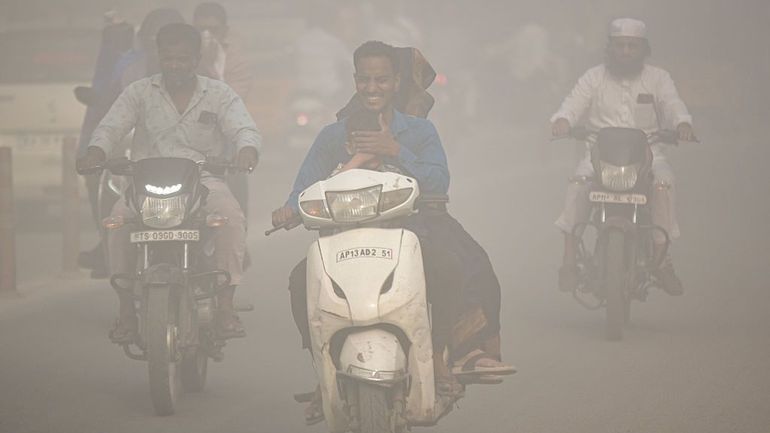
India has announced a bold goal to generate 60% of its electricity from non-fossil fuel sources by 2035, a significant step in combating climate change. This ambitious pledge, revealed alongside its updated NDC, is intended to address India’s status as a major greenhouse gas emitter and aligns with global efforts to meet the Paris Agreement’s targets.
The Indian government’s commitment, detailed in its updated Nationally Determined Contribution (NDC), outlines a phased approach to transitioning to renewable energy sources, including solar, wind, and hydropower. While lauded by some as a crucial step, the target has been described as ‘modest’ by certain environmental groups, acknowledging India’s substantial current carbon emissions. Achieving this goal will require substantial investment in infrastructure and technology, alongside policy changes to incentivize renewable energy adoption. Furthermore, the announcement underscores India’s growing role in international climate negotiations and its recognition of the urgent need to reduce its environmental impact. The success of this initiative will be closely watched as a barometer for the progress of developing nations in tackling climate change.
Summarized from the sources above. Read the originals for the full story.
Highlights
India's 2035 Electricity Goal
India announced a target to generate 60% of its electricity from non-fossil fuel sources by 2035, reflecting a global push for cleaner energy.
NDC Commitment – ‘Modest’ Targets
India’s updated Nationally Determined Contribution (NDC) for 2035 is considered ‘modest’ due to the country’s large carbon emissions.
COP Announcement – International Context
The announcement was made ahead of the COP in Belém, aligning with broader international efforts to combat climate change.
Addressing Emissions – Global Ranking
India’s pledge addresses its position as the world’s third-largest emitter of greenhouse gases.
Energy Market Implications – Future Shift
This ambition is expected to significantly impact international energy markets and India’s future development.