US Supreme Court blocks ban on ‘conversion therapy’
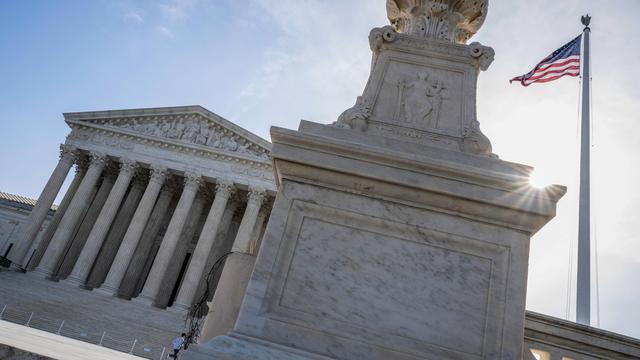
The US Supreme Court blocked a Colorado law banning ‘conversion therapy’ for LGBTQIA+ youth. The court said the law violated constitutional rights. This decision is seen as a victory for LGBTQIA+ rights advocates.
The Supreme Court’s ruling followed similar bans in over 20 US states and across Europe. A Christian therapist challenged the Colorado law, arguing it violated free speech rights. The law aimed to stop practices trying to change a person’s sexual orientation or gender identity. The court’s decision impacts the legality of these practices. Concerns have been raised about religious freedom and protections for LGBTQ+ individuals.
Summarized from the sources above. Read the originals for the full story.
Highlights
Supreme Court Ruling
The US Supreme Court ruled against Colorado’s ban on ‘conversion therapy’ for LGBTQIA+ youth.
Constitutional Violation
The court stated the ban on ‘conversion therapy’ violated constitutional rights.
UN’s View on Therapy
The UN considers ‘conversion therapy’ to be torture.
Free Speech Argument
The court sided with a therapist arguing the law violated free speech.
Religious Freedom Concerns
The ruling raised concerns about religious freedom and LGBT+ protections.
Perspectives
- The Supreme Court ruled against a ban on ‘conversion therapy’ for LGBTQIA+ youth.
- The ruling stated the ban violated constitutional rights.
- The decision allows the continued use of ‘conversion therapy’ in Colorado.
- The court sided with a Christian therapist who argued the law violated free speech rights.
The Supreme Court ruled ‘conversion therapy’ is unconstitutional and should be banned.
VRT NWS, DW English, El País, Le Monde, ZEIT Online, FAZ, Dagens Nyheter, New
A Christian therapist argued the law violated free speech rights and allowed ‘conversion therapy’ to continue.
France24 English, France24 English, New