Europe’s heatwave was impossible without climate change.
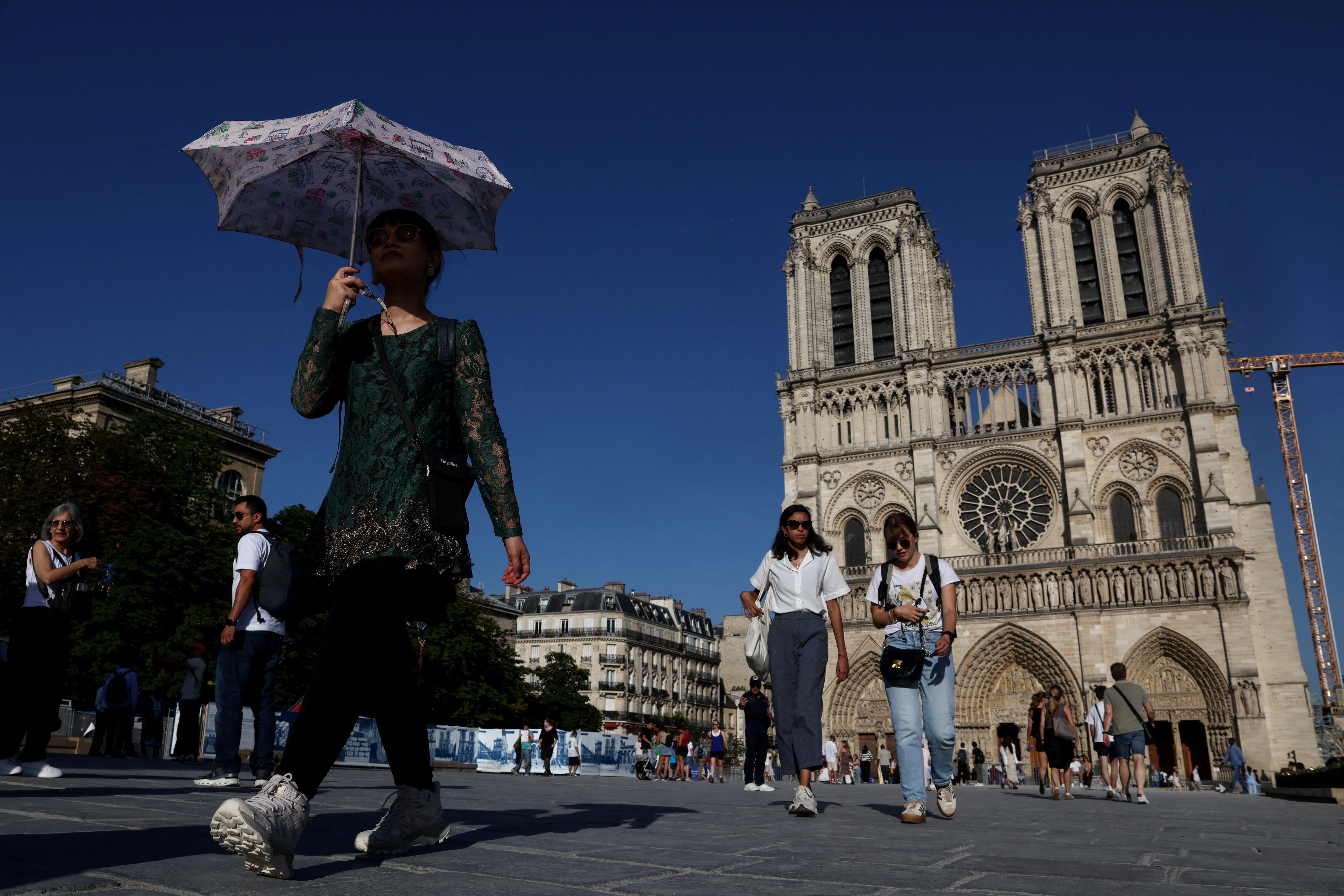
A severe heatwave is impacting much of Western Europe. Scientists say the extreme temperatures would have been ‘practically impossible’ 50 years ago. This event highlights the growing impact of climate change on European weather patterns.
The heatwave is affecting countries like Spain, the Netherlands, Cyprus, and the UK. Scientists attribute the event to human-caused climate change and fossil fuel burning. Temperatures are exceeding 35 degrees Celsius, and nighttime temperatures are higher than usual. The heatwave is occurring approximately one hundred times more frequently than in 2003. Experts predict that the full effects of the heatwave may not be immediately apparent and can last for up to ten days after it ends.
Summarized from the sources above. Read the originals for the full story.
Highlights
2025 Was a Dry Year
The 2025 year was one of the ten driest ever recorded in Western and Central Europe, leading to wildfires.
Record Temperatures in 2023
Europe experienced record-high sea surface temperatures in 2023, contributing to abnormal heat across the continent.
Heatwave Unlikely Without Climate Change
The current heatwave in Europe would have been virtually impossible 50 years ago due to human influence.
Heatwave Intensity Linked to Climate Change
The intense heatwave across Europe would not have occurred without human-caused climate change.
Heatwave Frequency Increased Significantly
The heatwave is now occurring approximately one hundred times more frequently than in 2003.
Perspectives
- The current heatwave in Europe is linked to human-caused climate change.
- Extreme temperatures seen in June 50 years ago were rare and unlikely.
- Climate change is making record heatwaves more frequent and intense.
- The current heatwave is the worst in recorded history.
Scientists state the heatwave would have been ‘practically impossible’ 50 years ago due to human influence.
NOS Nieuws, France24 English, Der Standard, RFI, RTBF, FAZ
Researchers suggest that heatwaves in Europe could last almost 40 days due to climate change, referencing previous events.
El País
Experts predict the full effects of the heatwave may not be immediately apparent and can last up to ten days after it ends.
EurActiv, De Volkskrant
The heatwave is currently occurring approximately one hundred times more frequently than in 2003, posing significant risks to human health.
NOS Nieuws