Spanish Jellyfish Cause Beach Closures in Spain
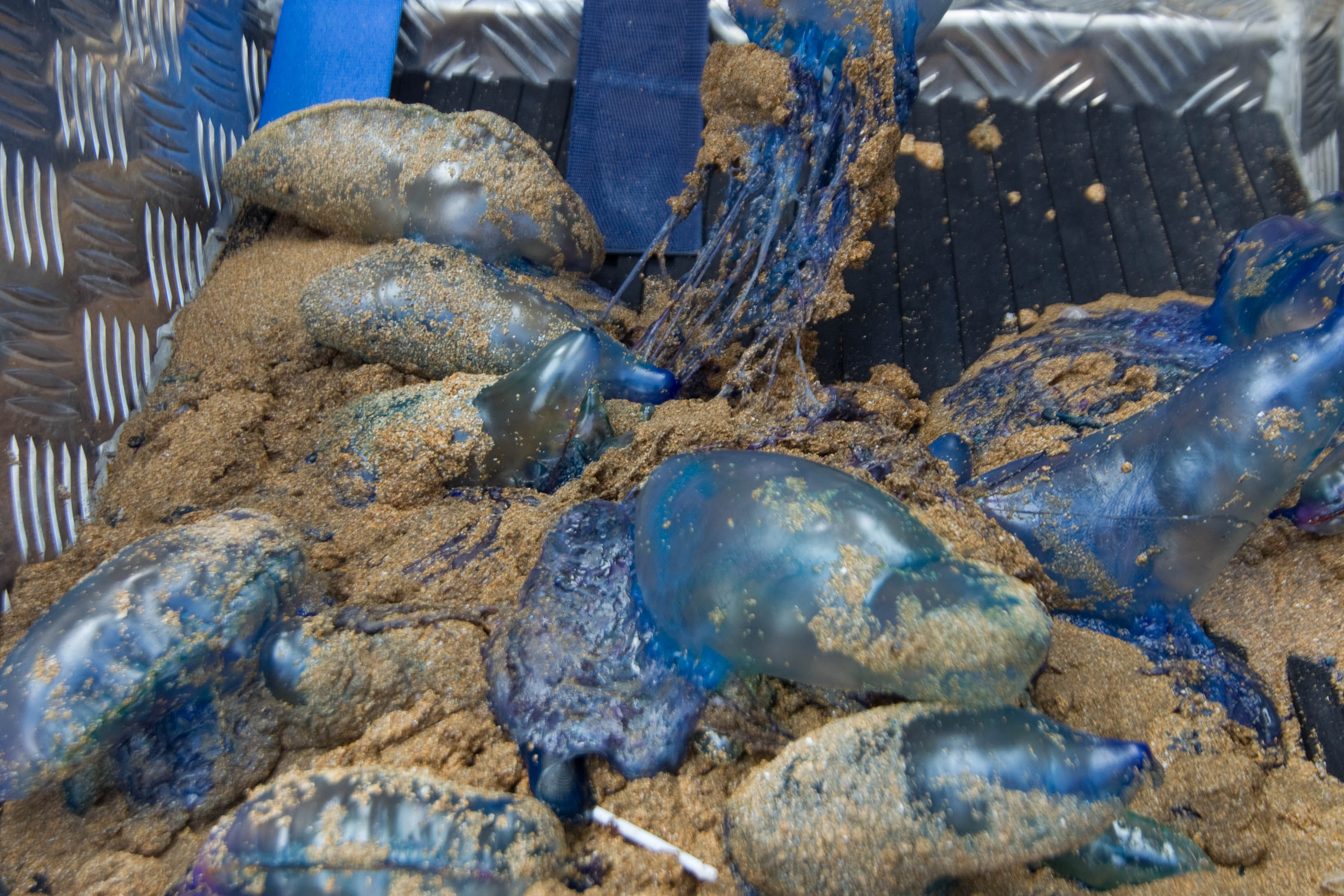
Many people were stung by jellyfish on beaches in San Sebastián, Spain. Rising ocean temperatures are thought to be a reason for the increased jellyfish presence. Local authorities are concerned about the situation.
The event involved large numbers of Portuguese warship jellyfish, also known as carabelas, causing significant stings. Three hundred and twenty-three stings were treated on beaches in the Basque Country during the first half of the season. The jellyfish have long tentacles and can cause pain and concern for people using the beaches. The city council reported most injuries were minor, but the situation can change rapidly. Multiple beaches in Spain were closed due to the jellyfish.
Summarized from the sources above. Read the originals for the full story.
Highlights
Jellyfish Stings Many People
Hundreds of people were stung by jellyfish on a beach in Spain.
Rising Temperatures Cause Problem
Experts believe climate change is causing more jellyfish in European waters.
Ships and Jellyfish Appear
Portuguese ships and jellyfish arrived on beaches in the Basque Country.
High Number of Stings
San Sebastián beaches experienced 120 stings from the jellyfish in one day.
Jellyfish Cause Concern
The jellyfish have stinging cells and are causing concern for people and authorities.
Perspectives
- Portuguese jellyfish (carabelas) are causing many stings.
- Rising ocean temperatures are linked to the jellyfish's presence.
- The jellyfish are found in the Basque Country and San Sebastián.
- Many people were stung on beaches in Spain.
Rising ocean temperatures due to climate change are a major factor.
NOS Nieuws, El Mundo
The event is primarily a natural occurrence, not solely climate change.
El País