Countries bypass WTO to implement e-commerce deal
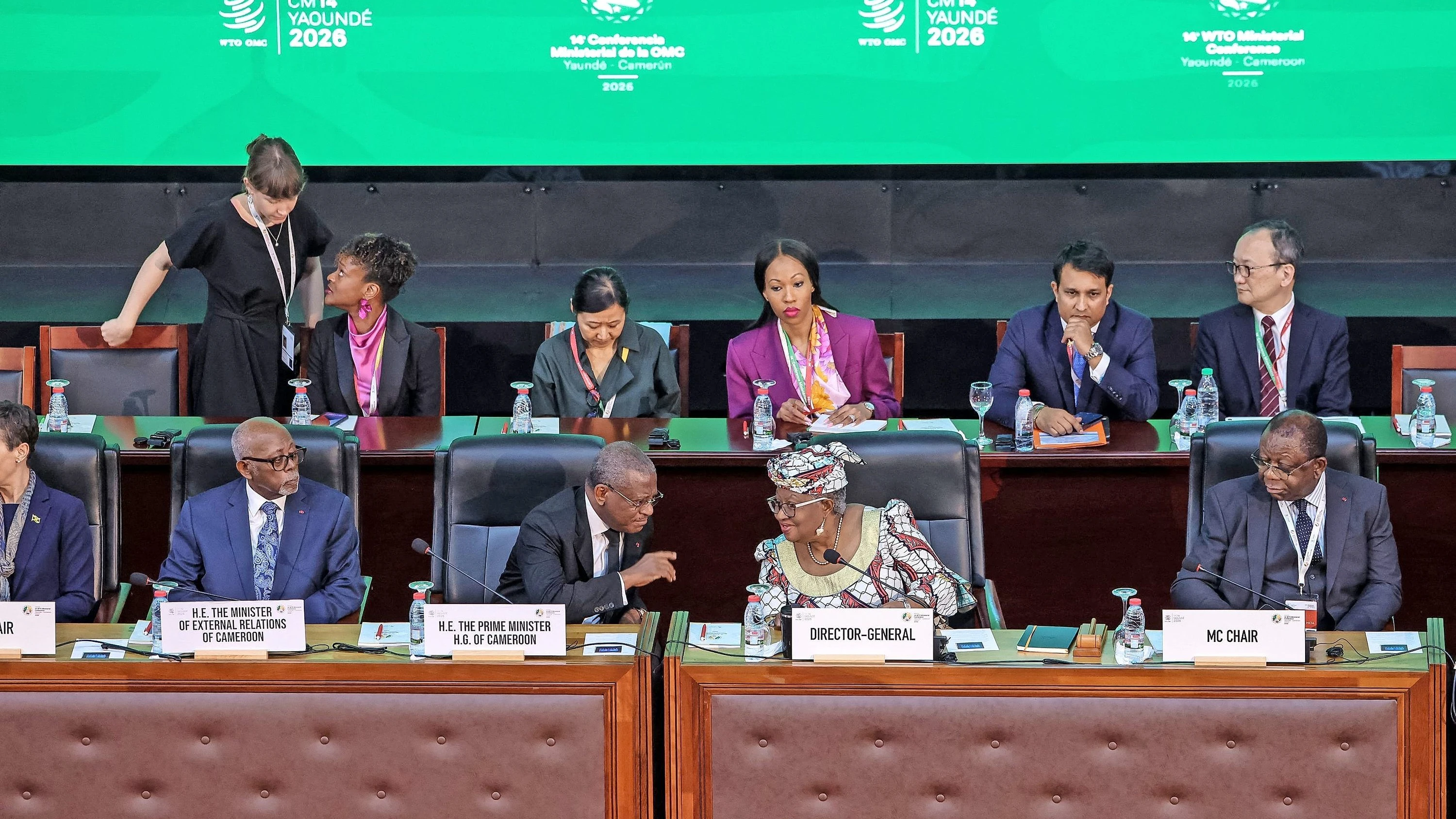
Sixty-six WTO members have started using a new e-commerce agreement. This was done quickly because not all members agreed. The United States criticized the WTO for not reaching an agreement.
The World Trade Organization was unable to agree on a stop to e-commerce trade. Australia, China, Britain, and the European Union are among the countries moving forward. These countries will put the new agreement into place. The United States believes the WTO’s job is too small. This situation shows the WTO has trouble making deals. It raises questions about how the WTO will work in the future.
Summarized from the sources above. Read the originals for the full story.
Highlights
E-Commerce Agreement Implemented
Sixty-six countries are moving forward with the e-commerce agreement despite WTO delays.
WTO Blockade Ended
A group of WTO members agreed to create rules for e-commerce.
US Criticizes WTO
The United States says the WTO is not effective.
Alternative Implementation Strategy
Countries are implementing the deal without waiting for all members.
Focus on Cross-Border Transactions
The agreement establishes rules for global e-commerce transactions.
Perspectives
- Sixty-six WTO members agreed to proceed with the e-commerce deal.
- The agreement aims to establish rules for e-commerce transactions.
- The move is driven by concerns about delays in the WTO.
- A group of members created a framework for cross-border electronic transmissions.
The United States wants a moratorium on e-commerce trade practices.
New
Other WTO members agreed to proceed without a moratorium.
EU, FAZ