Rheinmetall Seeks to Speed Up Navy Frigate Construction
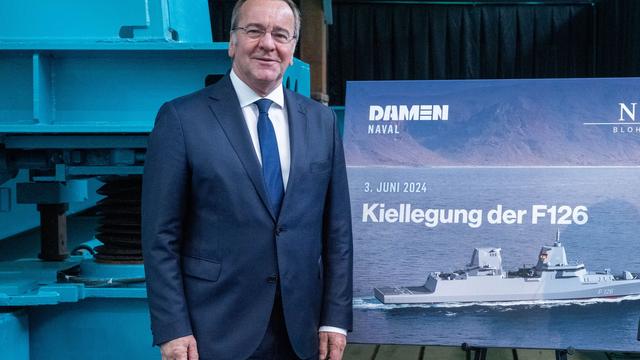
Germany has dramatically accelerated plans to build ten new frigates for its Navy, a move spearheaded by defense firm Rheinmetall and valued at €10 billion. This ambitious undertaking is prompting scrutiny regarding Germany’s defense spending and its potential impact on broader European military strategy. The rapid timeline and contract takeover raise significant questions about the project’s feasibility and long-term implications.
The decision to award the contract to Rheinmetall follows years of delays and cost overruns associated with the original shipbuilding plan. The Ministry of Defence is currently reviewing potential options, including streamlining the construction process and addressing potential supply chain vulnerabilities. This accelerated approach is largely attributed to escalating geopolitical tensions in Europe and a renewed focus on strengthening Germany’s naval presence. Experts believe this investment could reshape Germany’s role within the EU’s defense framework, potentially leading to increased collaboration and a more assertive stance on security matters. Furthermore, the sheer scale of the project – estimated at €10 billion – highlights Germany’s commitment to significantly increasing its defense budget and underscores the challenges of modernizing its armed forces.
Summarized from the sources above. Read the originals for the full story.
Highlights
Rheinmetall to Build Frigates
German defense firm Rheinmetall has been awarded the contract to build ten new frigates for the German Navy, aiming to address delays and bolster naval capabilities.
Accelerated Frigate Construction Timeline
Rheinmetall is significantly speeding up the construction of new frigates for the German Navy, driven by geopolitical tensions and a revised four-year schedule.
€10 Billion Naval Investment
The project represents a substantial €10 billion investment in Germany’s naval capabilities and defense procurement.
EU Defense Policy Implications
The frigate order raises questions about the future of EU defense spending and broader procurement strategies within the European Union.
Supply Chain and Cost Concerns
The accelerated timeline for frigate construction raises concerns about potential supply chain challenges and the overall project cost.