PFAS in hobby chicken eggs linked to worms
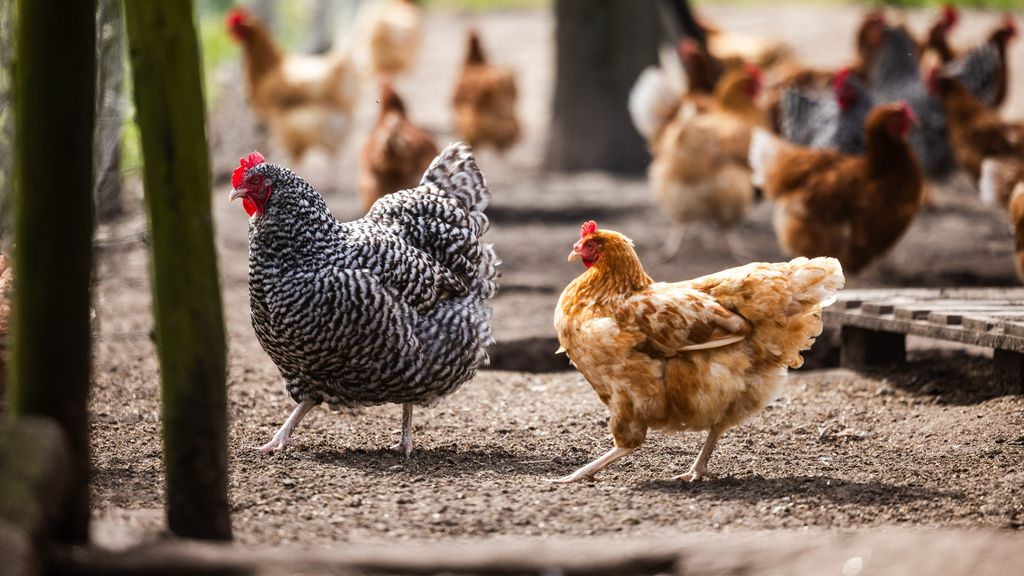
Tests have revealed elevated levels of harmful PFAS chemicals in eggs from free-range chickens, with worms identified as the primary source of contamination. This discovery has sparked concerns about food safety and the extent of environmental pollution.
The research, conducted by the Dutch National Institute for Public Health and the Environment (RIVM), highlights that chickens foraging outdoors consume worms contaminated with PFAS. These chemicals, known for their persistence in the environment and potential health risks, accumulate in the worms and subsequently in the eggs. PFAS exposure is particularly concerning for vulnerable groups such as children and individuals with weakened immune systems. Despite the ethical implications of discarding food, the RIVM recommends against consuming eggs from chickens that have ingested contaminated worms.
Summarized from the sources above. Read the originals for the full story.
Highlights
PFAS in free-range chicken eggs
Tests confirm higher PFAS levels in eggs from free-range chickens that forage for worms in the soil.
Worms primary PFAS source
Research by the RIVM found that worms are the primary source of PFAS in eggs from hobby chickens.
Health risks highlighted
PFAS, harmful chemicals prevalent in the environment, accumulate in worms, posing health risks, especially to children and immunocompromised individuals.
Advice against consumption
The RIVM advises against consuming these eggs, despite the ethical dilemma of wasting food.
Environmental contamination concerns
This raises concerns about food safety and environmental contamination.