Iran Official Killing Sparks Fears of Negotiated Exit Halt
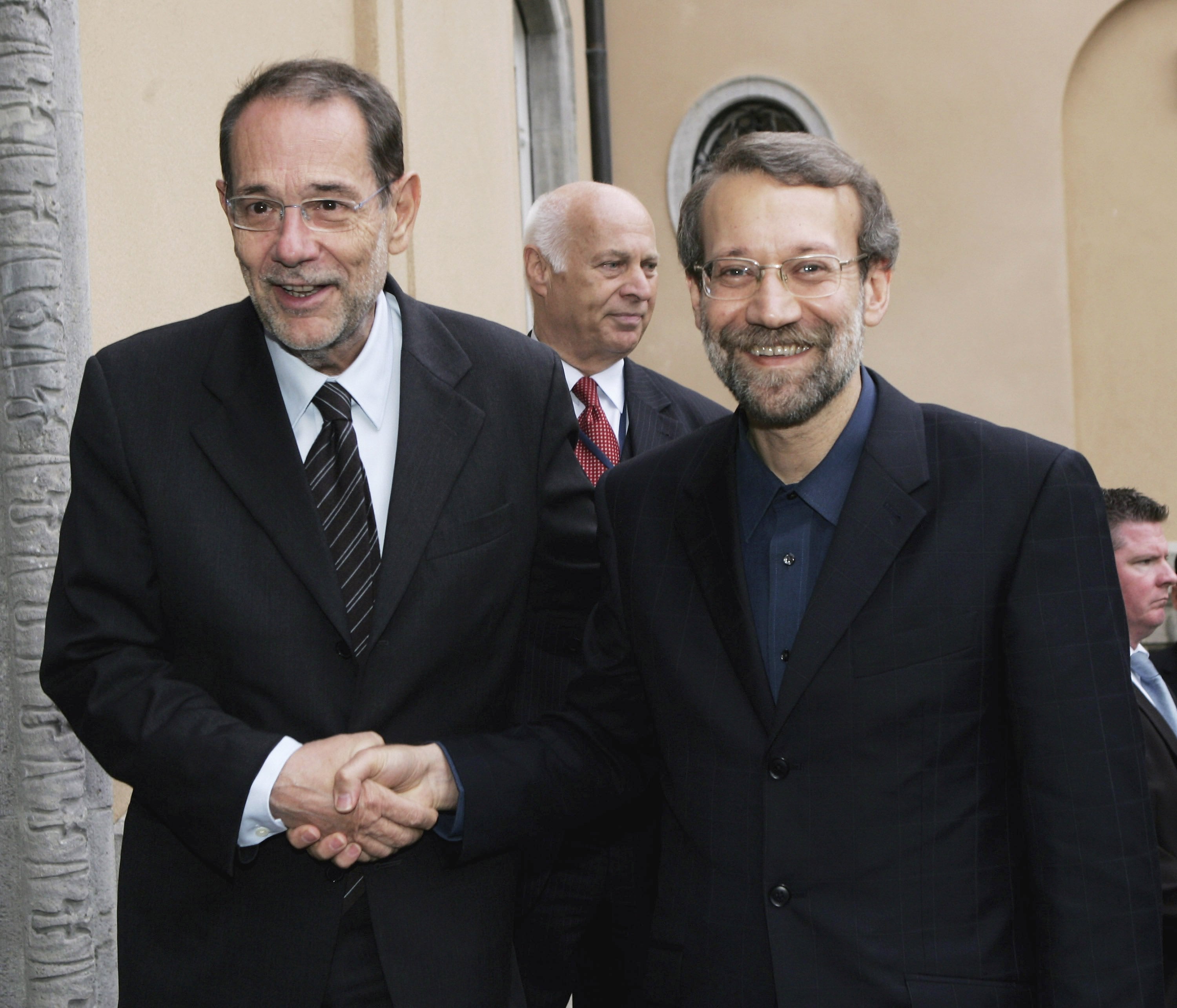
The assassination of Iranian nuclear negotiator Ali Larijani by Israel has dramatically altered the prospects for a negotiated exit from the Iran nuclear deal, according to multiple sources. Experts believe Larijani’s death, coupled with other recent assassinations, represents a significant escalation of tensions and a potential derailment of diplomatic efforts. This development is fueling concerns about regional instability and the future of international negotiations.
Larijani’s role extended far beyond simply negotiating the 2015 nuclear agreement; he was a central figure in Iran’s national security apparatus, advising on everything from protests to diplomatic strategy. His death, confirmed by multiple reports, has created a power vacuum within the Iranian government, with sources indicating a shift towards a more hardened and uncompromising stance. This ‘Hydra effect,’ as some analysts term it, suggests that the attack could lead to a more fractured and potentially radicalized political landscape within Iran, making any future negotiations even more challenging. The timing of these assassinations – including those of other high-ranking officials – coincides with a period of heightened tensions and a rejection of previous compromises, raising serious questions about the long-term viability of diplomatic solutions and the effectiveness of targeted operations. Furthermore, the event has amplified concerns about a potential regional arms race and the risk of further escalation.
Summarized from the sources above. Read the originals for the full story.
Highlights
Larijani's Death Impacts Negotiations
The death of Ali Larijani, a former Iranian nuclear negotiator, has significantly reduced the chances of a negotiated exit from the Iran nuclear deal, according to multiple analysts.
Israeli Action Escalates Tensions
Israel's assassination of Ali Larijani has heightened tensions between Israel and Iran, with concerns about regional security implications.
‘Hydra Effect’ Threatens Iran
Experts warn that the assassination of Ali Larijani could lead to a more fragmented and radicalized Iranian system, mirroring the ‘Hydra effect’.
Larijani's Death Destabilizes Iran
The death of Ali Larijani, a key figure in Iran’s security apparatus, has created uncertainty and complicates decision-making within the Iranian government.
Assassinations Complicate Negotiations
The recent assassinations of Iranian officials have significantly complicated ongoing negotiations between Iran and other nations, due to a hardened stance from the new leadership.
Perspectives
- The assassination of Ali Larijani significantly reduces the chances of a negotiated exit from the Iran nuclear deal.
- The event has heightened tensions between Israel and Iran, with broader implications for regional security.
- Larijani’s death creates instability within Iran’s political and security apparatus.
- The situation is destabilizing the already fragile political landscape of Iran.
Source A says Larijani’s death eliminates a potential partner for negotiations, pushing the situation further away from resolution. The assassination is a critical escalation.
la Repubblica, NOS Nieuws, Yle Uutiset, New
Source B says Larijani’s death doesn’t fundamentally alter the situation, but complicates negotiations due to the new leadership’s stance.
El País, Dagens Nyheter
Source A says Larijani was a ‘tough negotiator’ and a ‘key partner’ who could have facilitated a solution, his death is a major loss.
El País, la Repubblica
Source B says Larijani was a ‘tough negotiator’ but ‘rational,’ and his death is a blow to the regime, not necessarily a strategic setback.
NOS Nieuws, Dagens Nyheter, Yle Uutiset