Far-right Vox Fails to Reach 20% in Castilla y León.
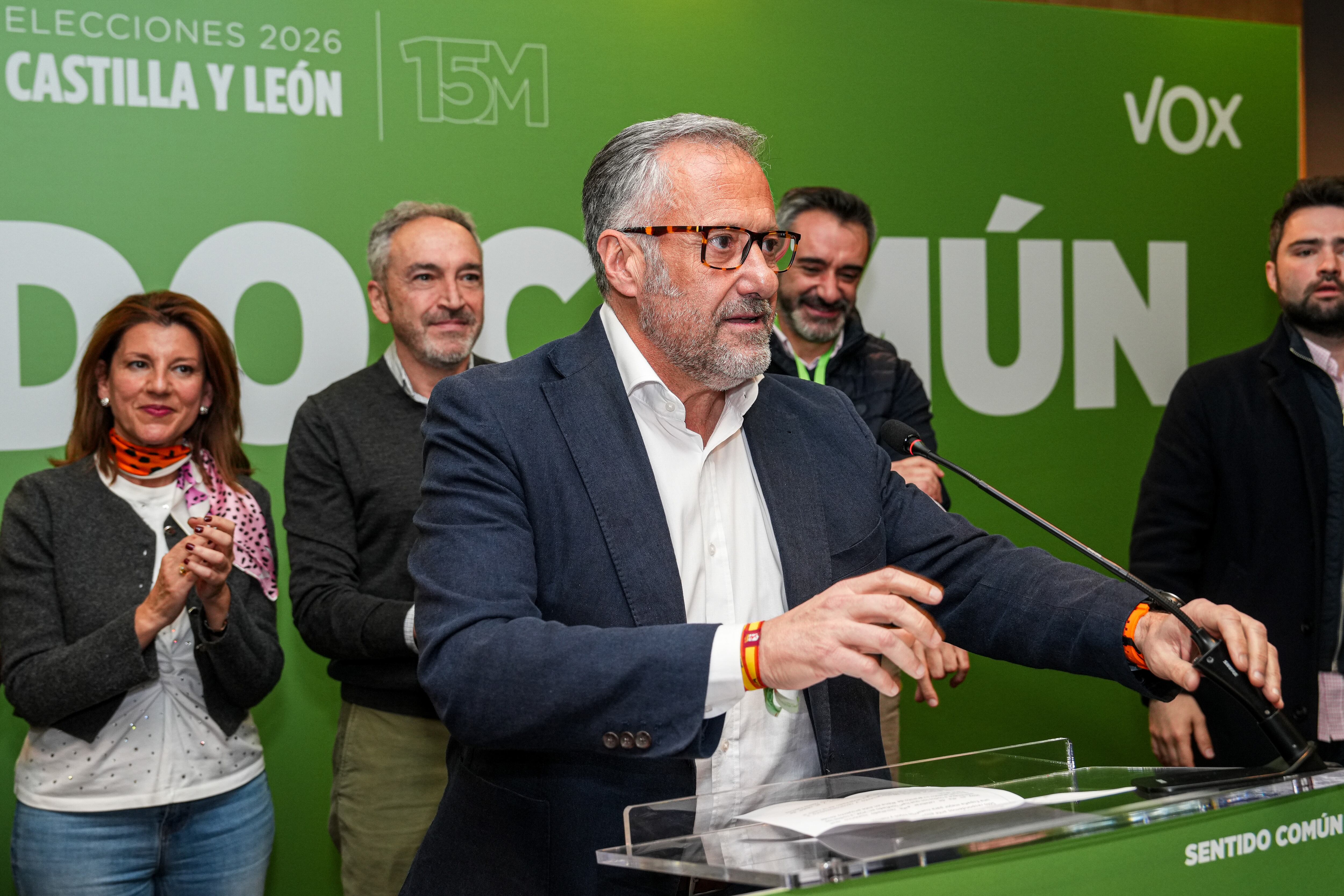
The Spanish far-right Vox party experienced a significant slowdown in its recent gains during regional elections in Castilla y León. Despite a strong campaign led by Santiago Abascal, the party failed to meet pre-election projections and fell short of a key voter threshold, signaling a potential shift in their momentum.
Vox’s disappointing performance in Castilla y León represents a notable deviation from their recent string of successes. Following victories in Aragón and Extremadura, where they dramatically increased their seat count, analysts had anticipated a similar outcome in the more established region of Castilla y León. The party’s inability to secure 20% of the vote – a crucial hurdle for entering the regional government – suggests a maturing electorate and a potential fatigue with the party’s increasingly assertive rhetoric. This setback could force Vox to reassess its strategy and potentially temper its ambitions as it heads into the upcoming national elections. The results highlight the complexities of Spanish politics and the challenges Vox faces in broadening its appeal beyond its core base.
Summarized from the sources above. Read the originals for the full story.
Highlights
Vox's Rise Slows in Spain
Vox failed to reach 20% of the vote in the Castilla y León elections, falling short of predictions and slowing their recent growth.
Castilla y León Election Tests Ultralright
The Castilla y León elections are being seen as a key test for Vox's continued momentum in Spanish politics.
Abascal's Popularity Fuels Vox
Vox leader Santiago Abascal is attracting large crowds, contributing to the party's recent successes.
Recent Wins Signal Potential Success
Vox's victories in Aragón and Extremadura suggest a potential third win in a short timeframe.
Growth Halts After Initial Gains
Vox's expansion stalled in Castilla y León, contrasting with their previous doubling of seats.