Lagarde Fears "Eye-for-Eye" Inflation, Signals Rate Hikes
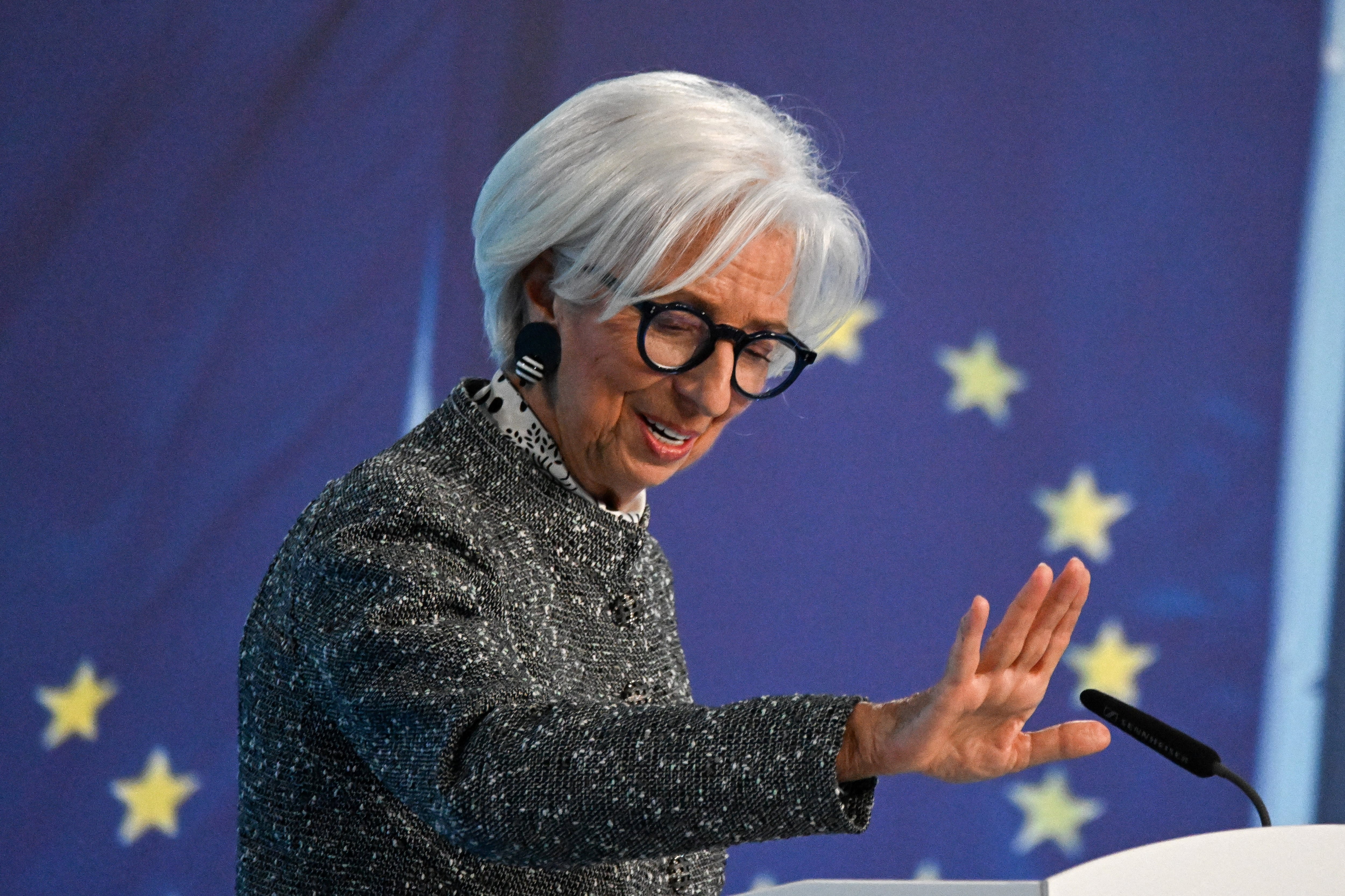
The European Central Bank (ECB), led by Christine Lagarde, is preparing to raise interest rates as early as April in response to rising inflation. This decision is primarily driven by the escalating conflict in the Middle East and the subsequent surge in oil prices, creating concerns about the impact on European and global economies.
Lagarde’s comments highlight a dual threat to the ECB’s monetary policy – the lingering effects of the war in Ukraine and the newly emerged instability in the Middle East. The disruption to oil supplies, a critical commodity for European economies, is expected to exacerbate inflationary pressures beyond what was initially anticipated. This situation necessitates a more aggressive approach from the ECB than previously signaled, potentially leading to a faster pace of rate hikes. Furthermore, analysts are predicting a ripple effect across various sectors, including transportation and manufacturing, as businesses grapple with increased energy costs. The ECB’s actions will be closely watched by other central banks worldwide as they navigate similar challenges.
Summarized from the sources above. Read the originals for the full story.
Highlights
Lagarde Prepares Interest Rate Hike
Christine Lagarde anticipates an ECB interest rate increase to combat inflation, citing the Middle East conflict and rising oil prices as key drivers.
Energy Crisis Intensifies Concerns
Lagarde warns of a potential energy supply crisis due to the Iran conflict, predicting even greater price increases than those caused by the Ukraine war.
Inflation 'Eye for Eye' Risk
Lagarde expresses concern about 'inflation of an eye for an eye,' suggesting a rapid and potentially severe inflationary response.
ECB's Global Response Strategy
The ECB's actions align with a broader international effort to manage inflation and maintain economic stability.
Impact on Borrowing Costs
Rising interest rates will negatively affect households and businesses with increased borrowing expenses.