Women's networks resist far-right groups
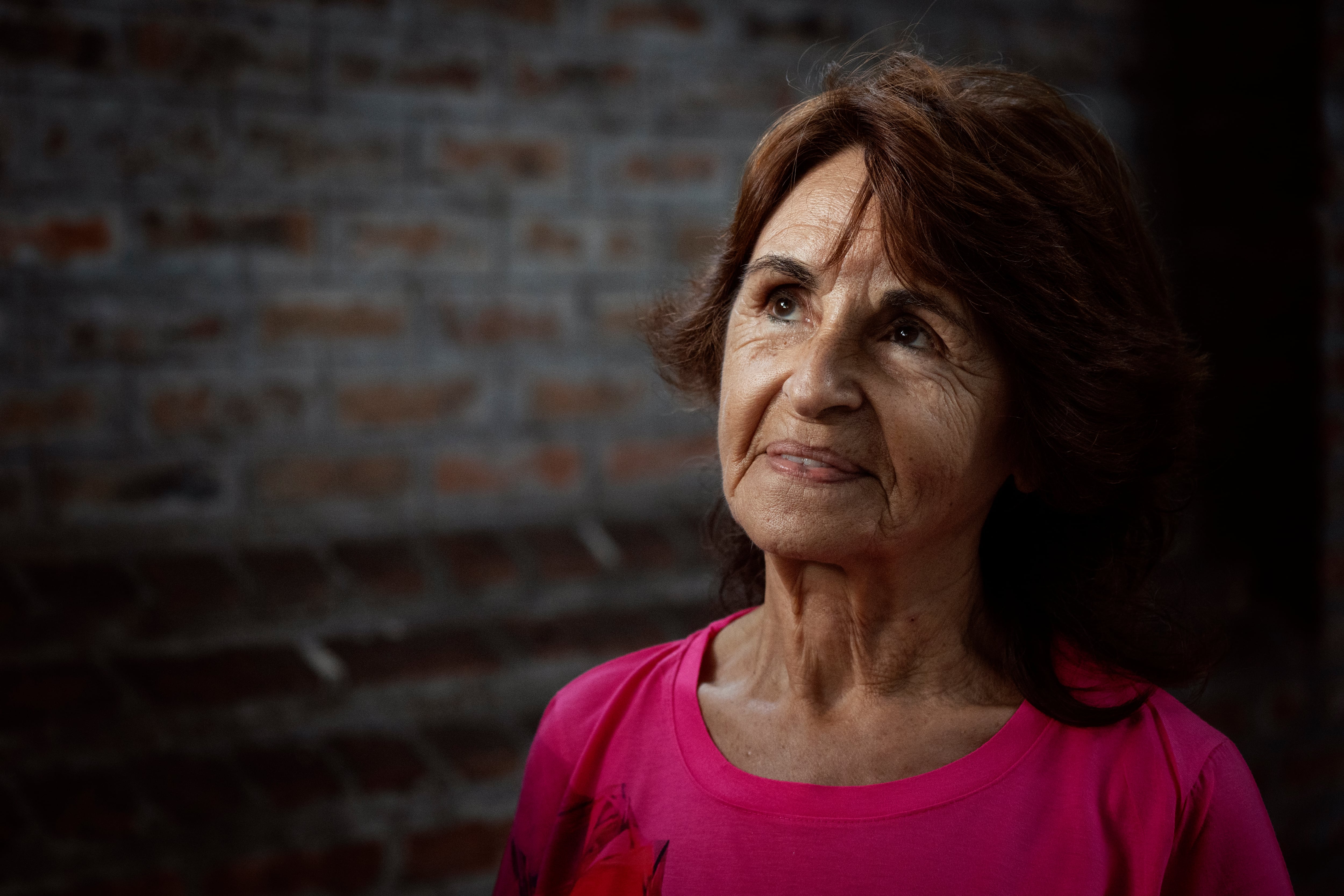
Women's networks in Argentina are leading the charge against ultra-right policies that threaten women's rights and economic stability. Recent changes, such as the removal of a pension moratorium, have hit women particularly hard, with many struggling to secure pensions due to informal labor and caregiving roles.
Activists like Zulema Palavecino are calling for dignified pensions and systemic changes to address these issues. The removal of the pension moratorium by President Javier Milei has exacerbated the financial strain on women, who often work in informal sectors and take on caregiving responsibilities. These policies have sparked widespread resistance, with women's networks organizing to protect their rights and advocate for economic stability. The situation highlights the broader struggle against ultra-right policies that disproportionately affect women and marginalized communities.
Summarized from the sources above. Read the originals for the full story.
Highlights
Women Leading Resistance
Women's networks in Argentina are at the forefront of resistance against ultra-right policies.
Impact on Pensions
Recent changes, like the removal of a pension moratorium, disproportionately affect women.
Informal Labor Issues
Many women struggle to secure pensions due to informal labor and caregiving responsibilities.
Advocacy for Change
Activists like Zulema Palavecino are advocating for dignified pensions and systemic changes.
Economic Stability Threatened
Ultra-right policies are targeting women's rights and economic stability in Argentina.