Ex-EU Commissioner Faces Trial Over Lumumba Murder
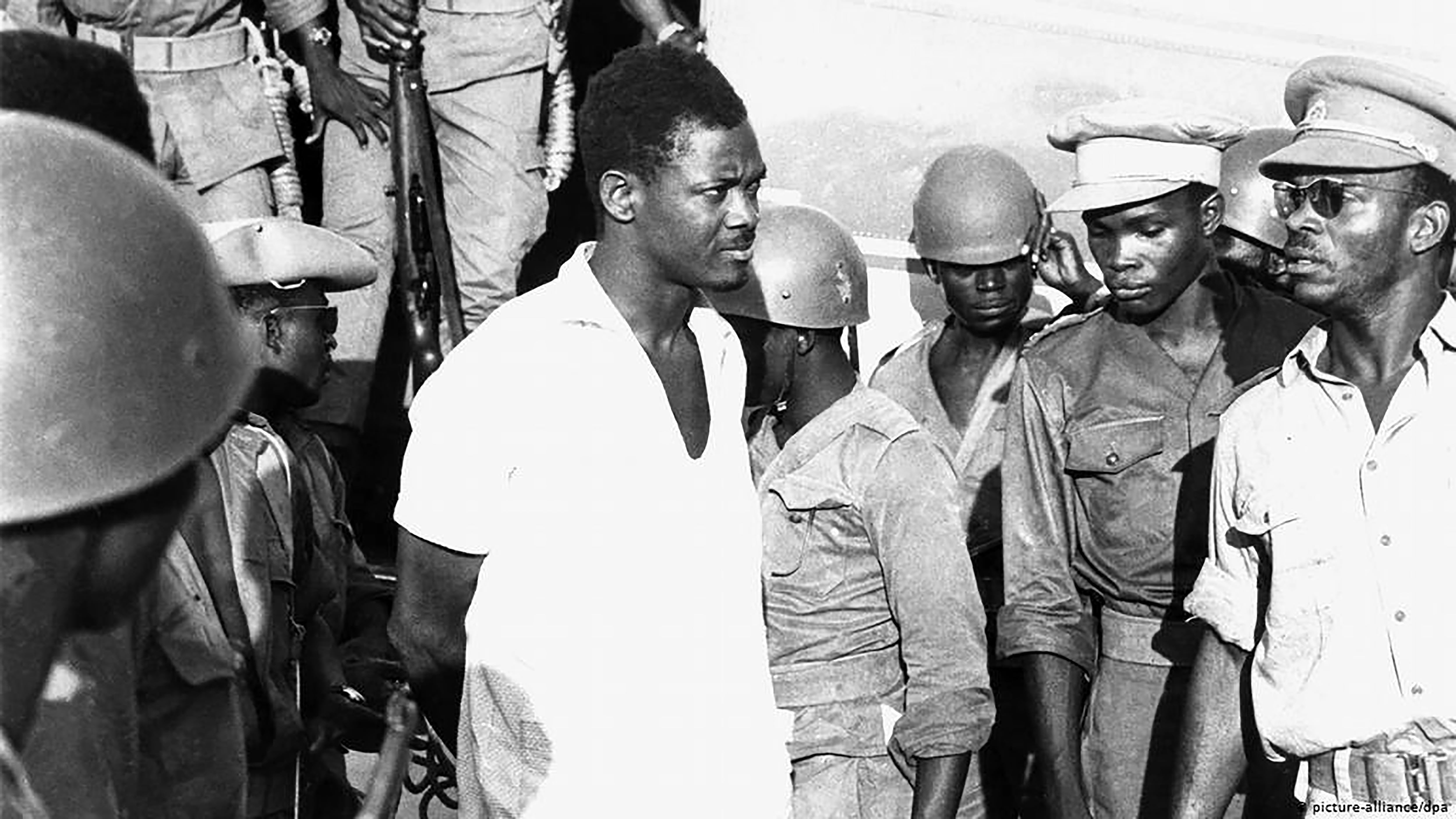
A 93-year-old former Belgian diplomat, Étienne Davignon, is facing trial in Belgium for his alleged involvement in the 1961 murder of Patrice Lumumba, the first Prime Minister of the Democratic Republic of Congo. This decades-long legal battle, initiated by Lumumba’s family, accuses Davignon of complicity in the assassination, a controversial event that occurred shortly after Congo’s independence from Belgium. The case represents a significant step towards seeking accountability for colonial-era crimes and potentially uncovering the truth behind Lumumba’s death.
The trial centers on allegations that Davignon, a trainee at the time, participated in a criminal enterprise that led to Lumumba’s death, which is considered a war crime. Belgian authorities have been pursuing this case for over six decades, reopening a historical wound and reigniting debate about the role of European powers in the Congo’s post-independence period. The legal proceedings are expected to shed light on the circumstances surrounding Lumumba’s assassination and the potential involvement of foreign powers. This case is particularly significant as it marks the first time a criminal court is investigating a former colonial power’s alleged role in the death of an African independence leader, highlighting the ongoing legacy of colonialism and the pursuit of justice for historical injustices. The trial is expected to have significant implications for historical accountability and the broader debate surrounding colonial-era actions.
Summarized from the sources above. Read the originals for the full story.
Highlights
Davignon Faces Trial Over Lumumba Murder
A 93-year-old former Belgian diplomat, Étienne Davignon, is being prosecuted for alleged complicity in the 1961 murder of Congolese Prime Minister Patrice Lumumba, reopening a controversial chapter in colonial history.
Long-Delayed Justice for Lumumba
After decades of legal battles, a Belgian court has authorized a trial against Étienne Davignon, marking a significant step towards accountability for the murder of Patrice Lumumba.
Historical Case Reopens Colonial Controversies
The trial of Étienne Davignon reignites debate about Belgium’s historical role in the Congo and the injustices of the colonial era.
Seeking Accountability for a Cold War Crime
The prosecution alleges Davignon’s involvement in the plot to assassinate Lumumba, a crime with significant implications for historical accountability.
Trial Marks First Prosecution for Lumumba’s Death
The trial of Étienne Davignon represents the first time someone has been prosecuted for the 1961 murder of Congolese Prime Minister Patrice Lumumba.
Perspectives
- All sources agree that Étienne Davignon, a former EU Commissioner, is facing trial for alleged involvement in the 1961 murder of Patrice Lumumba.
- The central event is the reopening of a decades-old investigation into Lumumba’s assassination following Congo’s independence from Belgium.
- The case is considered historically significant, reopening a controversial chapter in post-colonial history and raising questions of accountability.
- Belgian authorities are accusing Davignon of complicity in the murder, marking a significant legal step in a long-standing legal battle.
Davignon is accused of direct complicity in the murder, potentially constituting war crimes, based on allegations of involvement in a plot.
The Guardian Europe, France24 English, France24, Le Monde, New, EU
The trial is focused on assessing whether Davignon had knowledge of the plot and facilitated it, rather than directly ordering the assassination.
tagesschau, VRT NWS
The trial represents a crucial step towards acknowledging and addressing colonial-era injustices and holding individuals accountable for historical wrongdoing.
The Guardian Europe, tagesschau, VRT NWS, New, EU
The trial is primarily a symbolic event, marking the first time a criminal court is investigating a former colonial power’s alleged role in the death of an African independence leader, with limited expectation of a definitive criminal conviction.
Le Monde, France24