Mouse Cloning Research Ends, Challenging Scientific Limits
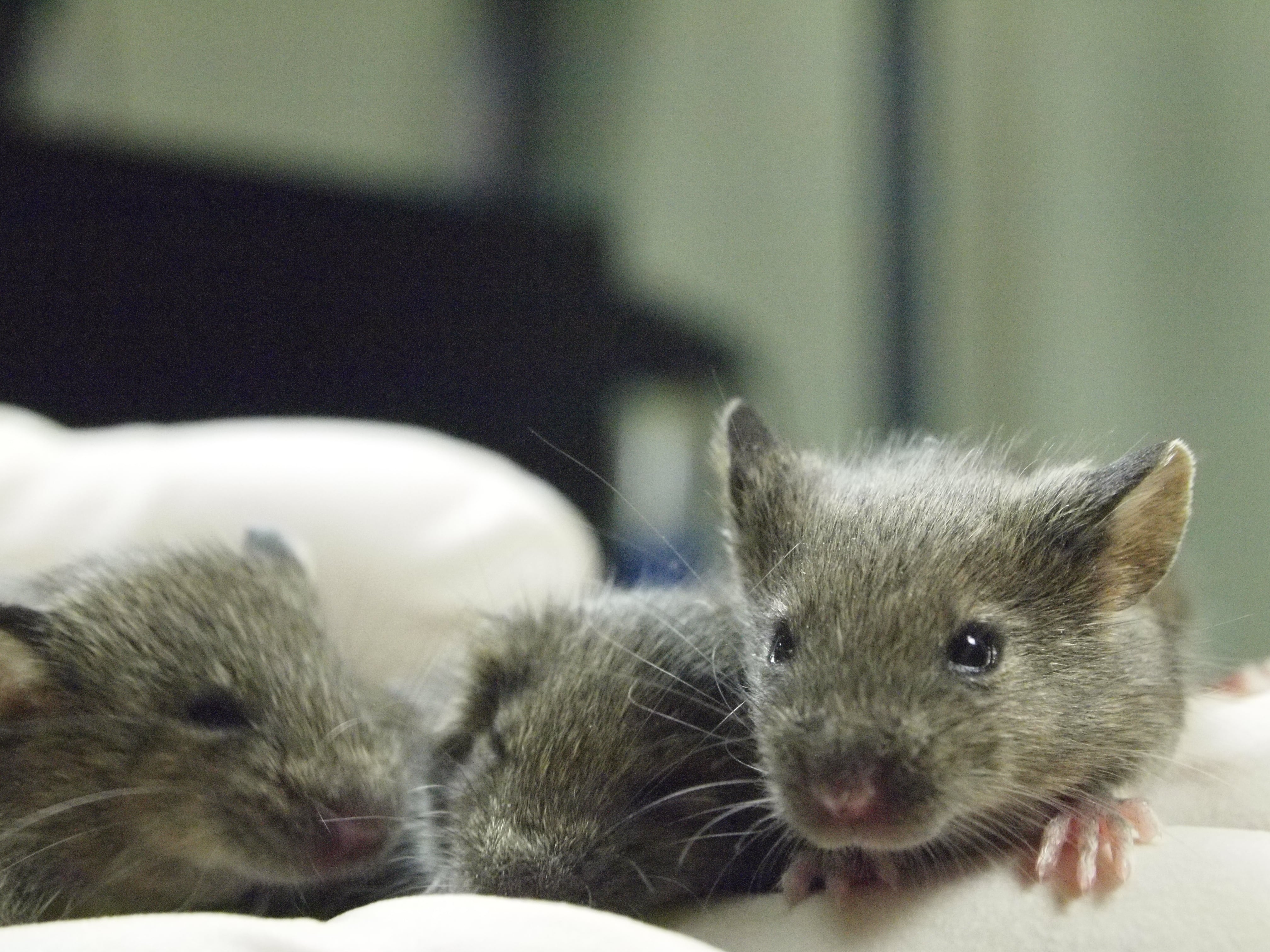
Scientists in Japan have achieved a remarkable feat, successfully cloning over 1,200 mice over five decades from a single source, a development that challenges conventional understanding of mammalian cloning and its potential for indefinite species maintenance. This groundbreaking research, spearheaded by Teruhiko Wakayama, has revealed a critical consequence of repeated cloning: it inevitably leads to mutations and ultimately, death in mammals.
The study’s longevity – a 20-year investigation – is particularly significant, providing robust evidence that the accumulation of genetic errors during successive cloning attempts is unavoidable. Researchers observed that the mice exhibited increasingly severe mutations with each generation, ultimately culminating in mortality. This reinforces the long-held biological theory that sexual reproduction, with its inherent genetic recombination, is favored by nature to mitigate the detrimental effects of accumulated mutations. The implications of this research extend beyond basic science, prompting serious consideration of the ethical considerations surrounding advanced cloning technologies and their potential impact on animal health and welfare, particularly regarding the risks associated with prolonged cloning efforts.
Summarized from the sources above. Read the originals for the full story.
Highlights
Japanese Scientists Clone Mice Extensively
Researchers in Japan achieved a record 1,200 cloned mice across 58 generations, investigating indefinite species maintenance and its implications.
Cloning Causes Mammal Death & Mutations
A 20-year study demonstrated that repeated cloning in mammals results in irreversible mutations and ultimately leads to death.
Conservation Efforts Potentially Impacted
This research could offer insights for conservation efforts through the exploration of cloning techniques.
Challenges to Cloning Ethics Raised
The study highlights ethical concerns surrounding advanced cloning technologies and their effect on animal welfare.
Nature Favors Sexual Reproduction
The research supports the biological reason why mammals predominantly utilize sexual reproduction over cloning.