Six Nations Pledge to Secure Strait of Hormuz Passage
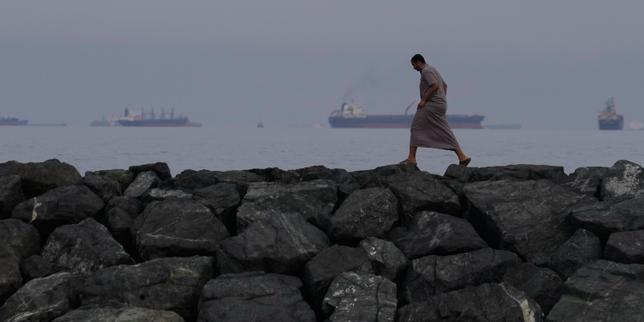
Six Western nations – Britain, France, Germany, and Japan – have announced their readiness to support efforts ensuring safe passage through the Strait of Hormuz, following a significant disruption caused by an Iranian blockade that has left thousands of seafarers stranded.
The situation centers around the Strait of Hormuz, a critical waterway for global oil shipments, particularly LNG from Qatar. Recent attacks by Iran on Gulf energy infrastructure, including tankers, have dramatically increased tensions and raised fears of a wider conflict. Several European nations, including Italy and the Netherlands, have joined the effort, with France actively exploring a UN-led approach to address the blockage. The coordinated response reflects growing international concern over maritime security and the potential for significant disruptions to global energy markets, driving up prices and highlighting the vulnerability of vital trade routes. Negotiations are ongoing with Japan, and a call for a global moratorium on attacks against civilian infrastructure is gaining traction amongst the involved nations.
Summarized from the sources above. Read the originals for the full story.
Highlights
Nations Pledge Hormuz Support
Six Western nations are prepared to bolster security efforts in the Strait of Hormuz amid disruptions caused by Iranian actions.
EU Nations Secure Strait Passage
A coalition of European countries, including Italy and France, is working to ensure the free passage of ships through the critical waterway.
UN Route Explored for Strait Relief
France is exploring a UN-led approach to address the blockage of the Strait of Hormuz and its impact on global energy.
LNG Capacity Threatened by Conflict
Recent attacks on the Strait of Hormuz have severely impacted LNG shipments, particularly from Qatar, raising energy market concerns.
Global Powers Secure Strait Passage
Over 20 nations, including France and the UK, are committed to ensuring safe passage through the Strait of Hormuz amidst escalating tensions.
Perspectives
- Six nations (including Britain, France, Germany, Japan, Italy, and the Netherlands) are prepared to support efforts to ensure safe passage through the Strait of Hormuz.
- The primary driver of the response is Iranian attacks on Gulf energy infrastructure and the resulting disruption of oil flows.
- The Strait of Hormuz is a critical global trade route, particularly for oil and liquefied natural gas (LNG).
- There is widespread concern about the potential impact of the situation on global energy markets and regional stability.
Iran is primarily motivated by geopolitical tensions with the US and seeks to pressure Western nations through disruption of trade routes.
ANSA, RTBF, Le Monde, Politico EU
Iran's actions are a reckless escalation of tensions and a direct threat to international maritime security.
DR Nyheder, France24 English, La Repubblica, RTBF
A UN-led initiative is the most effective way to address the situation, potentially involving a framework for action.
Politico EU, France24 English
Direct military intervention or increased naval presence is necessary to deter further attacks and ensure safe passage.
DR Nyheder, ANSA, La Repubblica
The US should continue to exert pressure on Iran through sanctions and diplomatic channels.
ANSA, RTBF
The US needs to actively participate in any coordinated effort to secure the Strait of Hormuz.
DR Nyheder, Politico EU