Iran Attacks Kuwait Refinery Amid Ongoing Drone Attacks
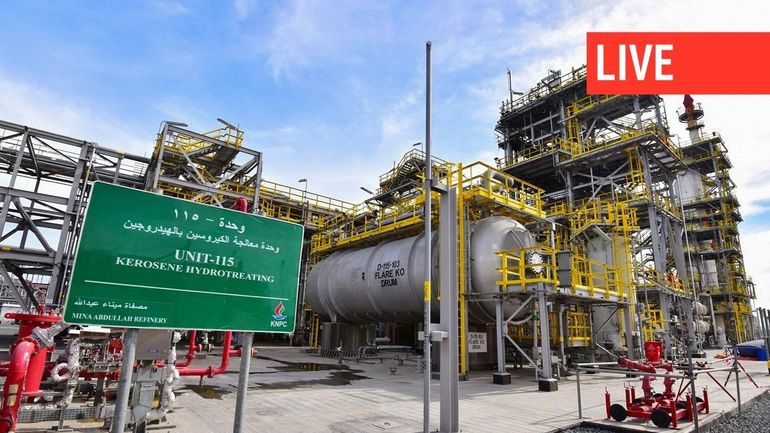
A series of escalating events have ignited a dangerous spiral in the Middle East, beginning with Israeli strikes in Lebanon and culminating in a devastating drone attack on a Kuwaiti refinery. This chain reaction has triggered retaliatory measures and heightened fears of a wider regional conflict, particularly concerning energy infrastructure.
The initial incident involved Iranian forces launching a drone attack on a Kuwaiti refinery, a move that quickly spiraled out of control. Following this attack, a fire erupted at the refinery, and subsequently, a second refinery in Mina Abdullah was set ablaze due to a drone strike. U.S. President Trump responded with threats against Iranian energy infrastructure, leading to a temporary halt of Israeli attacks on Iranian sites at the request of the U.S. government. This volatile situation highlights the vulnerability of critical infrastructure within the region and the potential for Iran to directly challenge the energy security of its neighbors, further complicating already strained diplomatic relations and raising the specter of a broader, more devastating conflict.
Summarized from the sources above. Read the originals for the full story.
Highlights
Refinery Fires Escalate Middle East Conflict
Multiple refinery fires, triggered by drone and missile attacks, are intensifying the ongoing conflict in the Middle East and raising concerns about regional stability.
Iran Targets Kuwaiti Oil Refinery
Iranian forces directly attacked a Kuwaiti oil refinery with a drone, demonstrating a deliberate challenge to regional energy security.
Infrastructure Vulnerability Exposed
The attacks highlight the vulnerability of critical infrastructure, particularly oil refineries, within the volatile Middle East.
Escalating US-Iran Tensions
U.S. threats and Israeli actions regarding Iranian energy infrastructure further complicate the situation and increase the risk of wider escalation.
Kuwaiti Response and Regional Instability
Kuwait’s military response and the subsequent events underscore the growing instability and potential for broader conflict in the region.
Perspectives
- Israeli missile strikes in Lebanon triggered a chain of events.
- Refineries in Kuwait and the UAE have been targeted.
- The conflict is escalating instability in the Middle East.
- There are concerns about the vulnerability of energy infrastructure.
Iran is directly responsible for the attacks on refineries, escalating the conflict.
New, France24 English
The attacks are a consequence of Israel’s initial strikes and broader regional tensions, potentially influenced by U.S. pressure.
RTBF, RFI
The U.S. is actively involved through Trump’s threats and Netanyahu’s temporary halt to attacks, shaping the conflict’s trajectory.
RFI
The U.S. is merely reacting to events and exerting pressure, without directly initiating the attacks.
New