EU Rejects Relaxing Russian Gas Ban Amid Crisis
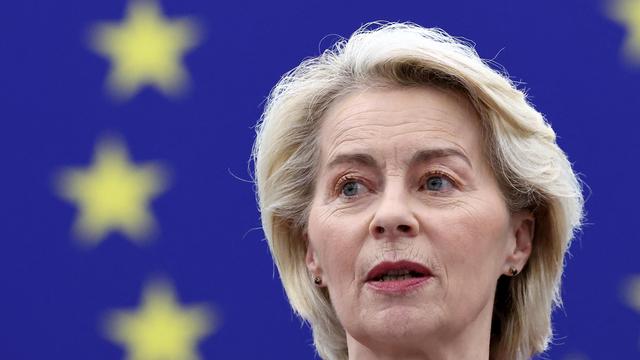
The European Union has firmly ruled out resuming energy imports from Russia, a decision spearheaded by Germany and supported by EU Energy Commissioner Kadri Simson. This stance is driven by concerns that re-engaging with Russia would directly fund the ongoing war in Ukraine. The EU is instead focusing on a ban on Russian oil and exploring measures to combat soaring energy prices, including capping gas prices and expanding renewable energy sources.
The situation is being further complicated by rising energy costs fueled by the conflict in Iran, prompting a flurry of proposals from EU leaders. Commission President Ursula von der Leyen has unveiled an emergency plan encompassing a revision of the EU Emissions Trading System (ETS) and potential tax cuts on electricity. Several member states, including the Netherlands, are hesitant to immediately implement drastic policy changes, reflecting a growing internal debate about the best approach to energy security and affordability. Experts like Nicolas Tenzer are advising on strategic considerations, acknowledging the need for coordinated European policy to address the economic impact of these volatile energy markets. The EU’s commitment to independence from Russian energy supplies is now a central pillar of its strategy, and the upcoming summit in Brussels will be crucial in solidifying this approach.
Summarized from the sources above. Read the originals for the full story.
Highlights
EU Firm on Russian Gas Ban
The European Union remains steadfast in its decision to maintain the ban on Russian gas imports, prioritizing energy security and avoiding financial support for the ongoing conflict in Ukraine.
No Reversal of Green Transition
Despite rising energy costs, the EU is committed to its renewable energy transition and will not reverse its policies, even in response to the Iranian situation.
Emergency Plan Proposed
The EU is implementing an emergency plan, including a revision of the Emissions Trading System, to address the worsening energy crisis.
State Aid & Gas Price Caps
The EU is considering measures like relaxing state aid rules and capping gas prices to alleviate the financial burden on consumers and businesses.
Tax Cuts on Electricity
The EU is exploring cutting taxes on electricity to lower energy bills and prevent premature closure of nuclear power plants.
Perspectives
- The EU is concerned about rising energy prices and their impact.
- The EU is considering measures to mitigate the energy crisis.
- The crisis is linked to factors like the war in the Middle East and supply disruptions.
- The EU is planning a summit to coordinate a response to the energy crisis.
The EU Commission prioritizes reducing energy bills and supporting businesses and consumers through measures like tax cuts and subsidies.
FAZ, El País, la Repubblica, ZEIT Online
Some countries advocate for a more fundamental shift in energy policy, including questioning the 2050 carbon neutrality goal and reducing reliance on Russian oil.
Le Monde, RTL Nieuws
The EU Commission and some member states favor greater state involvement in addressing the crisis through direct financial support and intervention.
ANSA, ANSA, la Repubblica
Other countries, like the Netherlands, are hesitant to implement specific measures and prefer a more market-based approach.
RTL Nieuws