Right Diet Helps IBS for Millions Affected
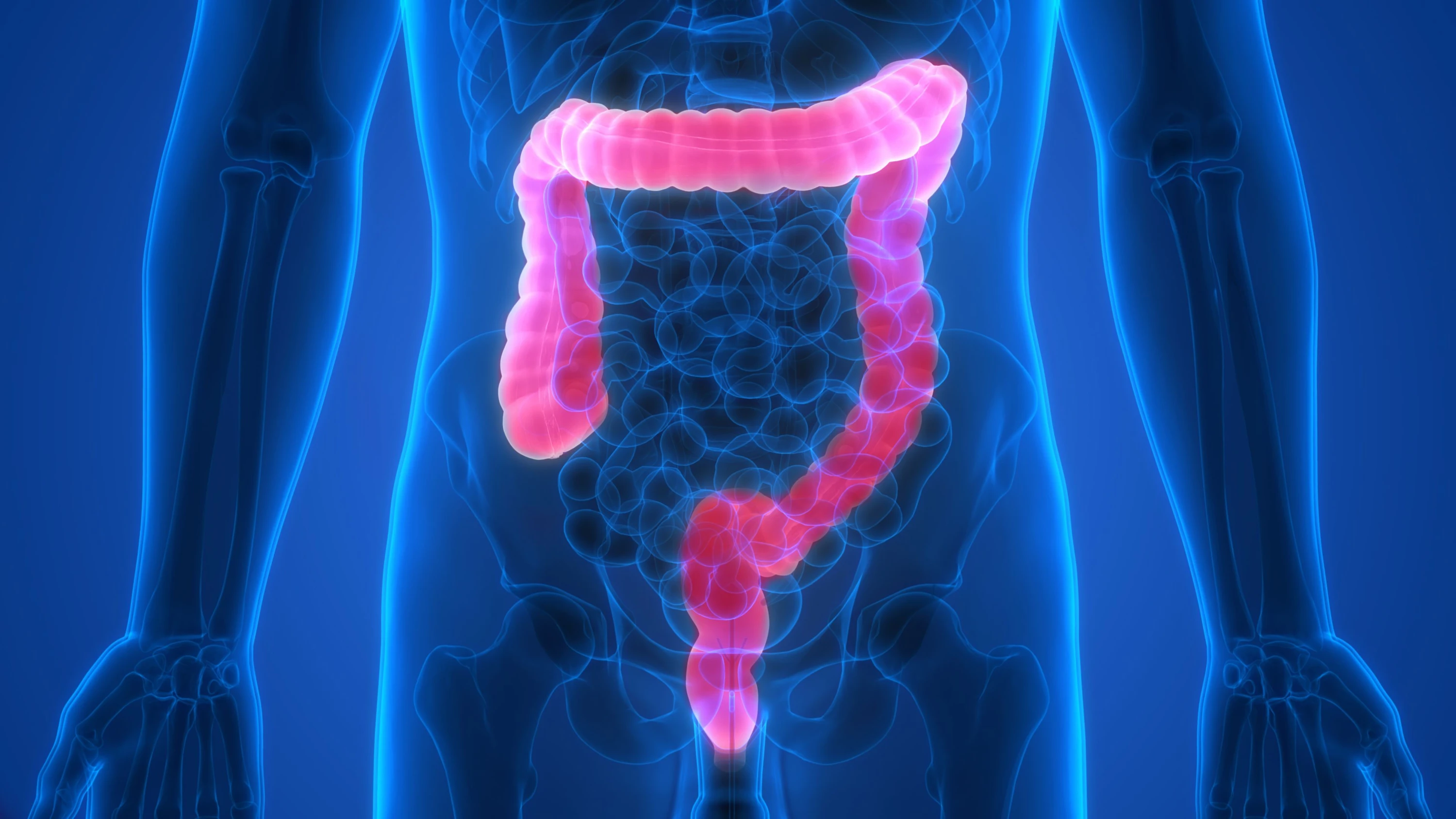
New research is challenging the traditional view of Irritable Bowel Syndrome (IBS) as solely a psychological issue. Experts are now focusing on the significant physiological factors contributing to the condition and exploring dietary solutions for symptom management.
The shift in understanding IBS stems from advancements in research demonstrating a strong connection between gut microbiota and gastrointestinal distress. Scientists are discovering that imbalances in the bacteria residing in the colon can trigger inflammation and, consequently, IBS symptoms like bloating, pain, and altered bowel habits. Consequently, the focus is moving beyond simply advising patients to ‘relax’ and instead exploring targeted dietary interventions, such as elimination diets and the incorporation of probiotics and prebiotics. This personalized approach, guided by a doctor and nutritionist, aims to identify specific triggers and restore a healthy gut microbiome, offering a more effective long-term treatment strategy for IBS sufferers.
Summarized from the sources above. Read the originals for the full story.
Highlights
IBS Research Shifts Focus
New research indicates Irritable Bowel Syndrome is influenced by physiological factors, not solely psychological ones.
Dietary Interventions Key
Experts are recommending dietary interventions as a primary method for managing IBS symptoms.
Personalized Nutrition Emerges
The importance of tailored nutrition plans is increasingly recognized in treating IBS.
Millions Affected by IBS
A significant number of people suffer from Irritable Bowel Syndrome, prompting research and treatment strategies.
Physiological Root Identified
Recent findings suggest a deeper physiological basis for IBS, moving beyond previous understandings.