Google Earth Reveals Human Organs in Interactive Map
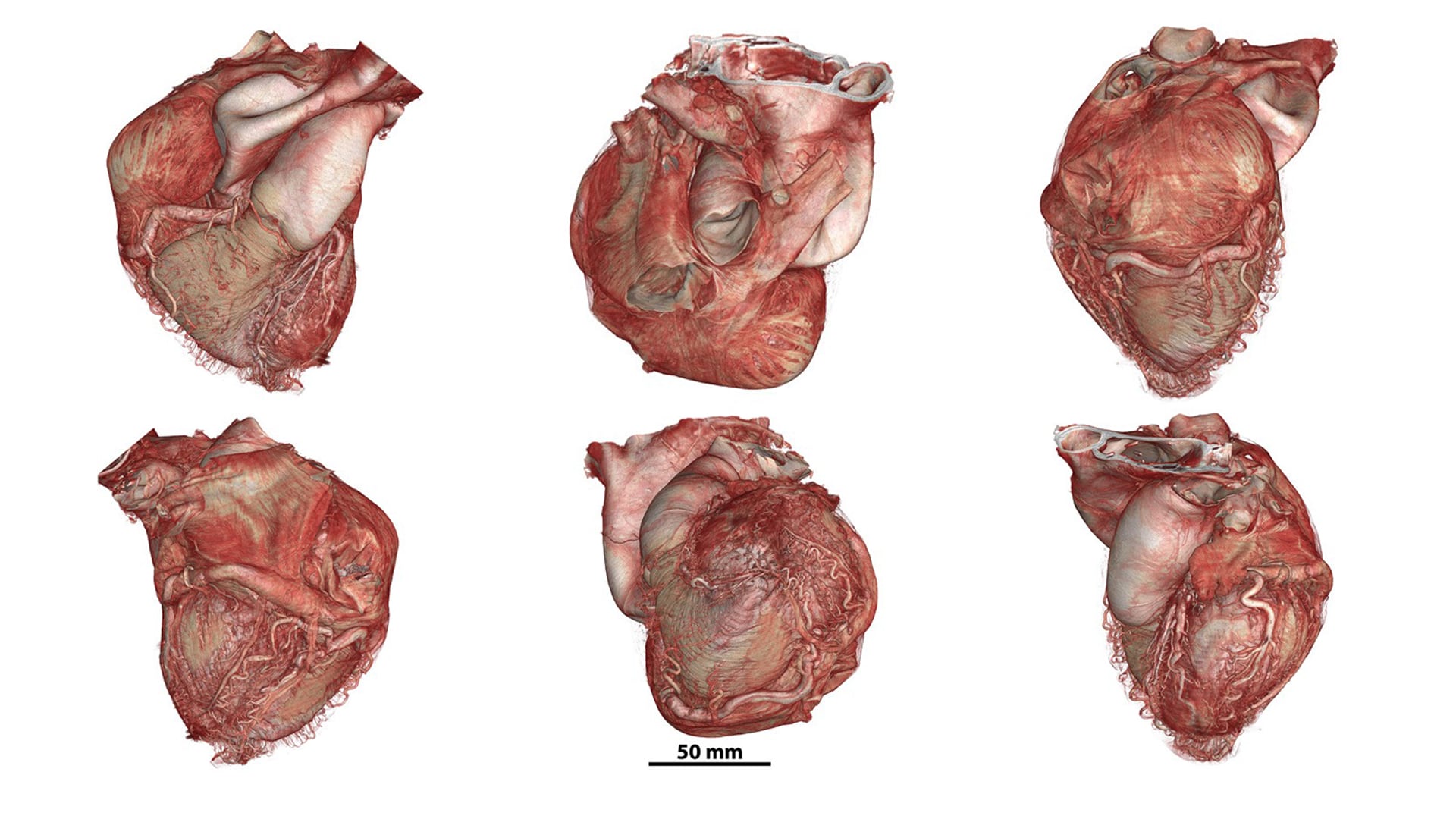
A groundbreaking new online tool, dubbed the 'Google Earth of the body,' is offering unprecedented access to detailed human organ models. This interactive atlas, developed by a team at University College London, promises to transform how we understand and diagnose complex diseases.
The project, spanning five years, meticulously mapped the human body at a cellular level, creating a dynamic resource that allows researchers to visualize the intricate connections between different organ systems. Unlike traditional anatomical diagrams, this atlas incorporates data from multiple sources, including MRI scans and genomic information, to highlight how seemingly unrelated conditions can be linked. Researchers believe this will be particularly valuable in studying diseases like hypertension, diabetes, cancer, and COVID-19, where understanding the interplay between organs is crucial for effective treatment and prevention. The tool’s interactive nature allows users to explore variations in anatomy and disease patterns, potentially leading to more personalized medicine and improved diagnostic accuracy.
Summarized from the sources above. Read the originals for the full story.
Highlights
Google Earth for Organs Launched
Google has released an online tool allowing users to explore human organs in detail, intended to improve disease understanding and diagnostics.
Interactive Body Atlas Unveiled
Researchers have created a comprehensive interactive human body atlas, linking anatomical variations with complex diseases like hypertension and COVID-19.
UCL Leads Innovative Project
University College London spearheaded the development of the 'Google Earth of the body' atlas.
Multisystem Failure Analysis
The atlas focuses on connecting failures across multiple body systems to better understand disease patterns.
Research Revolutionized by Atlas
This new tool promises to revolutionize biomedical research by providing unprecedented anatomical detail.