Italy Cuts Fuel Taxes, Driving Down Prices Significantly
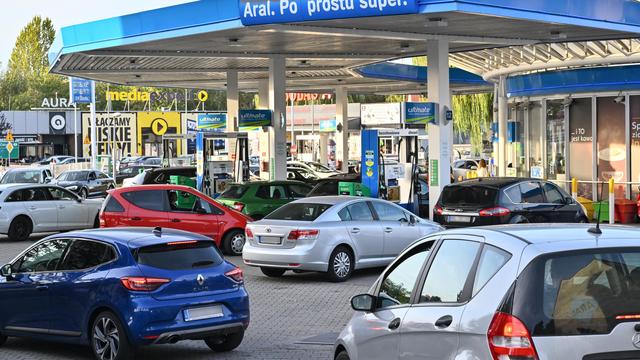
The Italian government has unexpectedly implemented a 25-cent per liter reduction in gasoline prices, citing the ongoing Iran-Israel conflict as a key driver. This intervention, costing approximately €500 million and funded by reductions in the Structural Economic Policy Intervention Fund, is intended to alleviate pressure on consumers and potentially bolster support for the government ahead of an upcoming vote on judicial reform. The move follows a series of government actions including a fuel bonus for families and a crackdown on price speculation.
The immediate impact of this decree remains somewhat uncertain, with reports indicating that only 60% of gas stations have passed on the savings to consumers, while 11% have actually increased their prices. This discrepancy highlights potential challenges in translating government policy into tangible savings for drivers and raises concerns about the effectiveness of the intervention. The government’s action has been met with mixed reactions, with opposition parties criticizing the measure as insufficient and too late to address rising inflation. Furthermore, investigations have been launched into potential market manipulation by companies like Mr Prezzi, and enhanced controls by the Guardia di Finanza are being enforced to combat price gouging. The Italian government’s response reflects a broader global effort to manage the economic consequences of rising energy costs, mirroring similar actions taken by countries like Slovakia.
Summarized from the sources above. Read the originals for the full story.
Highlights
Italy Cuts Fuel Excise Taxes
The Italian government implemented a 25-cent per liter reduction in fuel excise taxes, citing the Iran-Israel conflict and aiming to alleviate pressure on consumers and bolster government support.
Fuel Price Drop & Speculation Concerns
Following the excise tax cut, diesel prices fell to €1.978, but the price at the pump hasn't fully reflected the change, prompting investigations into potential market manipulation and price gouging.
Government Emergency Meeting on Fuel Prices
Italy's government convened an emergency meeting to address soaring fuel costs, focusing on reforming mobile excise taxes and broader measures to combat rising expenses.
Anti-Speculation Measures Introduced
New legislation includes measures to curb speculation and imposes potential sanctions by the Antitrust authority, alongside enhanced controls by the Guardia di Finanza.
Temporary Fuel Bonus & Price Controls
The government introduced a fuel bonus for families with an income threshold and increased checks to combat price gouging, with a 25-cent discount on gasoline.
Perspectives
- The Italian government is taking action to reduce fuel prices due to rising costs.
- The primary measures involve a reduction in excise taxes on fuel.
- The government is concerned about the impact of rising fuel prices on the Italian economy and consumers.
- Several measures are being implemented, including a fuel bonus and increased scrutiny of market activity.
The cut is temporary, lasting only 20 days, reflecting concerns about long-term sustainability.
la Repubblica, la Repubblica
The government is aiming for a more sustained intervention, though the initial measures are temporary.
ANSA, ANSA, ANSA, ANSA, El Mundo
Rising fuel prices are primarily driven by speculation within the energy market.
ANSA, Via libera del Cdm al decreto legge per tagliare il prezzo dei carburanti, Der Standard
Rising fuel prices are driven by global energy costs and inflation.
ORF News, El Mundo, ZEIT Online
The government’s intervention is focused on a targeted approach, primarily through excise tax cuts and fines.
la Repubblica, la Repubblica, la Repubblica
The government’s intervention is a broader effort to stabilize the market and provide widespread relief.
ORF News, Der Standard