Australia Bans TikTok for Teenagers
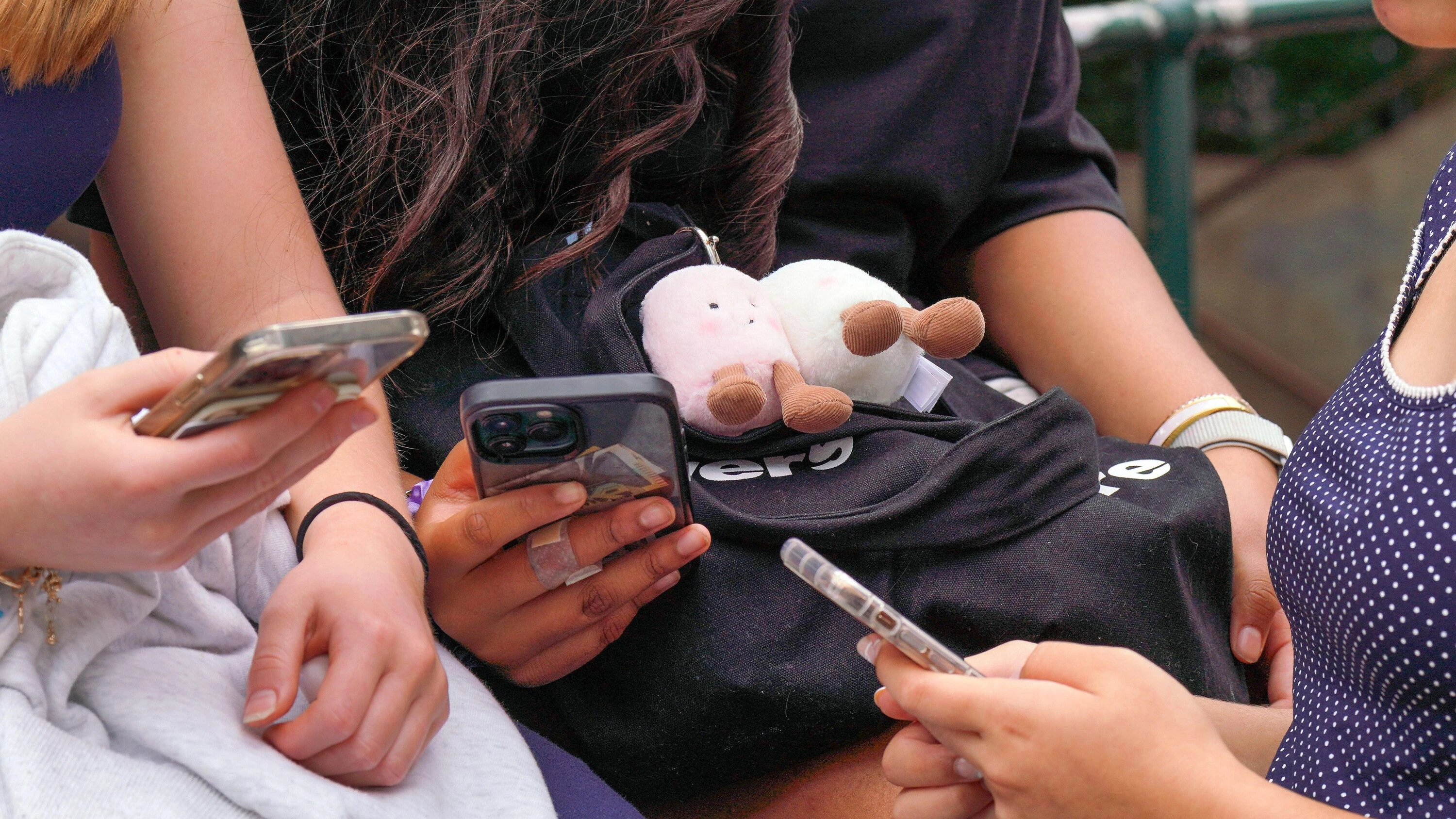
Australia has taken a landmark step, becoming the first nation globally to ban TikTok for users under 16. This controversial decision stems from serious concerns regarding data security and the potential negative impact of the platform on young people's mental well-being. The move is already generating significant debate about broader social media regulation worldwide.
The Australian government’s decision was prompted by a detailed review of TikTok’s data handling practices and a growing body of evidence linking excessive social media use to issues like anxiety and depression in adolescents. While TikTok has repeatedly stated its commitment to protecting user data and implementing safeguards, regulators remain unconvinced, particularly regarding the potential for the Chinese government to access user information. This ban sets a precedent for other nations grappling with similar concerns and could lead to increased scrutiny of other popular social media apps. Experts predict this action will likely fuel a wider discussion about the responsibilities of tech companies and the need for stronger regulations to protect vulnerable users, especially as TikTok continues to be a dominant force in youth culture.
Summarized from the sources above. Read the originals for the full story.
Highlights
Australia Bans TikTok for Minors
Australia has implemented a ban on TikTok for users under 16, driven by concerns regarding data security and the potential negative impact on young people's mental health.
First Country TikTok Ban
Australia is the world's first nation to prohibit TikTok usage by individuals under the age of 16.
Mental Health Concerns Drive Ban
The ban stems from worries about the potential harm TikTok poses to the mental well-being of young Australians.
Regulation Sparks Broader Debate
Australia's action is prompting discussions about wider social media regulation and its influence on adolescent development.
Youth Engagement Under Scrutiny
The decision was influenced by observations of Australian youth's social media habits and engagement.