Berlin Ballet Performs Banned "Nurejew" Ballet to Applause
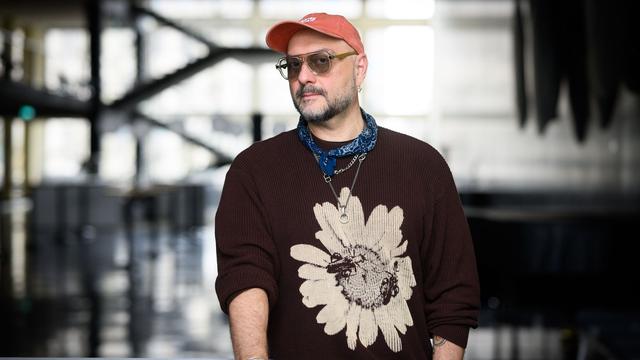
The Staatsballett Berlin has staged a highly controversial performance of 'Nureyev,' a ballet previously banned in Russia due to its connection to the defection of legendary dancer Rudolf Nureyev. This unexpected return of the production has ignited a global debate surrounding artistic freedom, cultural heritage, and the ongoing political tensions between Russia and the West.
The ballet, choreographed by Sergei Prokofiev and directed by Kirill Serebrennikov, tells the story of Nureyev’s dramatic departure from the Soviet Union in 1962, a moment widely seen as a symbol of resistance against oppressive regimes. Prior to its Berlin premiere, the ballet was effectively banned in Russia, reportedly due to its depiction of a gay Russian dancer who succumbed to AIDS – a sensitive and politically charged subject. This decision by the Russian government underscores a long-standing pattern of censorship and control over artistic expression. The Staatsballett’s decision to stage the ballet in the West represents a bold statement and a challenge to Moscow’s cultural norms, attracting significant attention from critics and audiences alike. The production’s immediate sell-out demonstrates Nureyev’s continued relevance and the powerful impact of his story, solidifying Berlin’s position as a vital center for artistic innovation and cultural dialogue.
Summarized from the sources above. Read the originals for the full story.
Highlights
Berlin Stages Controversial 'Nurejew'
The Staatsballett Berlin performed 'Nurejew,' previously banned in Russia due to Nureyev's defection, sparking debate about artistic freedom and cultural norms.
Russian Censorship Fuels Berlin Performance
The ballet's ban in Russia highlights censorship concerns and underscores the production's significance as a challenge to Russian cultural norms.
Berlin Premiere Celebrated Amidst Controversy
The premiere of 'Nurejew' in Berlin was widely celebrated, yet the production's ban in Russia intensified cultural tensions.
'Nurejew' Showcases Soviet Ballet History
The staging of 'Nurejew' in Berlin offers a rare opportunity to experience a significant piece of Soviet ballet history and Prokofiev's work.
Sold-Out Performance Highlights Nureyev's Legacy
The ballet's overwhelming success in Berlin reflects Nureyev's defiance and the enduring power of the production's storytelling.
Perspectives
- The Staatsballett Berlin staged the ballet 'Nurejew,' previously banned in Russia.
- The performance sparked debate about artistic freedom and cultural heritage.
- The ballet's return to the stage garnered significant attention and scrutiny.
- The production highlights Rudolf Nurejew's defiance of Soviet authority.
The ballet was banned due to Nureyev's defection and its political implications within Russia, representing a challenge to the Soviet system.
Der Standard, FAZ, ZEIT Online
The ballet was cancelled due to the choreographer's (Serebrennikov's) political stance and the dancer's death from AIDS, framing it as a consequence of political censorship.
ZEIT Online, FAZ