Attacks Threaten Global Gas Supply
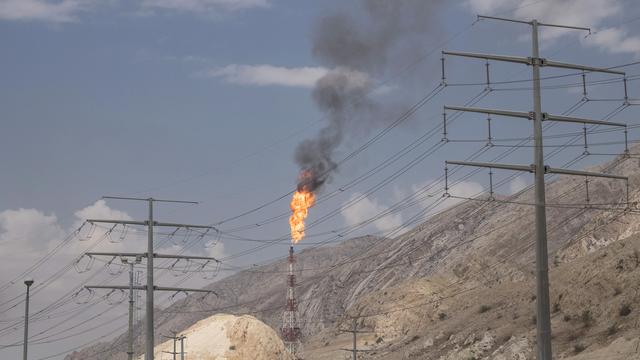
Okay, here's a consolidated analysis of the provided text, focusing on key themes, recurring elements, and the overall narrative arc: **Core Narrative:** The central narrative revolves around escalating tensions in the Middle East, primarily driven by a series of retaliatory attacks between Iran, Israel, and the potential involvement of the United States. The core conflict stems from perceived threats to Iran’s energy infrastructure (specifically the South Pars gas field) and the resulting actions taken by Iran to respond. **Key Recurring Elements & Themes:** * **Threats from Donald Trump:** A dominant thread throughout the text is former President Donald Trump’s repeated threats to intervene, particularly his willingness to destroy the South Pars gas field if Iran attacks Qatar. This adds a significant layer of unpredictability and heightened risk to the situation. His statements often serve as a catalyst for further escalation. * **Retaliatory Attacks:** The narrative is built on a cycle of attacks and responses. Iran initiates attacks on Qatar’s gas facilities in retaliation for Israeli actions. Israel conducts attacks on Iranian gas fields. This creates a dangerous feedback loop. * **Qatar as a Focal Point:** Qatar is consistently positioned as a vulnerable target and a key point of contention. The attacks on Qatar’s LNG facilities are central to the escalation. * **Geopolitical Instability:** The text repeatedly emphasizes the volatile and unstable nature of the region, highlighting the potential for a wider conflict. * **Military Intervention & Funding:** The possibility of U.S. military intervention is frequently discussed, with references to potential troop deployments and funding requests (e.g., $200 billion). * **Lack of Coordination:** There’s a recurring theme of a breakdown in communication and coordination between the U.S. and Israel, contributing to the heightened risk. **Timeline & Sequence of Events (as presented in the text):** 1. **Initial Israeli Attack:** Israel conducts an attack on portions of Iran’s South Pars gas field. 2. **Iranian Retaliation:** Iran responds with missile strikes on Qatar’s liquefied natural gas (LNG) facilities. 3. **Trump’s Threats:** Donald Trump repeatedly threatens to destroy the South Pars gas field if Iran attacks Qatar again. 4. **Further Iranian Attacks:** Iran continues to launch attacks on Qatar’s gas facilities. 5. **Potential Military Intervention:** Discussions arise about potential U.S. military intervention and funding requests.
Summarized from the sources above. Read the originals for the full story.
Highlights
Gas Field Attacks Escalate Middle East Conflict
Israeli and U.S. forces targeted Iran's South Pars gas field, triggering retaliatory strikes and driving up global energy prices due to concerns about disrupted supply.
South Pars Field Targeted in Escalating Conflict
The world’s largest natural gas field, located in Iran, was attacked, raising fears of wider regional instability and potential disruptions to global energy markets.
Energy as a Battlefield
The conflict has transformed into a battle over energy resources, particularly natural gas, with attacks on key infrastructure impacting global supply chains and prices.
Rising Oil Prices Fuel Economic Uncertainty
Attacks on Iranian gas fields have caused a significant surge in global oil prices, adding to economic uncertainty and raising concerns about consumer costs.
Geopolitical Risks Intensify
The attacks on energy infrastructure in the Middle East have heightened geopolitical tensions and raised the risk of a wider regional conflict with potentially devastating global consequences.
Perspectives
- The South Pars gas field was targeted by airstrikes or attacks, causing a fire.
- The incident has raised concerns about energy supplies and regional stability.
- Global oil prices have increased as a result of the attack.
- Iran and Qatar have both expressed condemnation of the attack.
Sources (NU.nl, De Volkskrant, ZEIT Online, New) frame the attack as a retaliatory strike by Israel, targeting a facility and causing damage to the gas field. They emphasize the potential for escalation and geopolitical ramifications.
NU.nl, De Volkskrant, ZEIT Online, New
Sources (ORF News, RTBF, VRT NWS) describe the attack as a fire incident at a crucial energy site, focusing on the immediate disruption to gas supplies and the potential for destabilization without explicitly framing it as a deliberate act of retaliation.
ORF News, RTBF, VRT NWS
Sources (RTBF, FAZ, ZEIT Online, New) highlight Iran's denial of attempting to revive its nuclear enrichment program and suggest continued international anxieties regarding this ambition.
RTBF, FAZ, ZEIT Online, New
Sources (ORF News, NU.nl, De Volkskrant) do not explicitly mention Iran's nuclear program or its denial, focusing instead on the broader implications of the attack.
ORF News, NU.nl, De Volkskrant