New Nitrous Oxide Laws Target Consumption, Transport
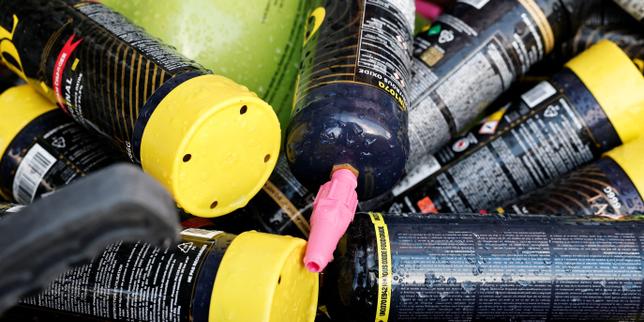
French lawmakers are proposing a controversial new law to criminalize the use and transportation of nitrous oxide, often referred to as ‘laughing gas.’ This move is part of a larger government effort to tackle delinquency and organized crime, driven by rising concerns about the substance’s popularity, especially among young people.
The proposed legislation, titled 'Ripost,' outlines strict penalties for those caught inhaling nitrous oxide, including a maximum sentence of one year in prison and a hefty fine of €3,750. Authorities are particularly worried about the substance's increasing prevalence at social gatherings and its association with drug use. The bill’s proponents argue that the regulation is necessary to protect public health and prevent potential harm, especially considering the gas’s anesthetic properties. Critics, however, have raised concerns about potential overreach and the impact on young people’s recreational activities. The debate is ongoing, with lawmakers considering amendments to address these concerns and ensure the law’s effectiveness.
Summarized from the sources above. Read the originals for the full story.
Highlights
Nitrous Oxide Criminalization Bill
The French government is proposing to criminalize the use and transport of nitrous oxide, driven by concerns over its rising popularity, especially among young people.
New 'Ripost' Legislation Introduced
Lawmakers are debating a bill, 'Ripost,' that will penalize inhaling nitrous oxide with a one-year prison sentence and a substantial fine.
Addressing Youth Misuse Concerns
The proposed laws specifically target the increasing use of nitrous oxide by young people as part of a broader strategy to combat delinquency.
Expanding Criminal Penalties
The government intends to create new offenses related to nitrous oxide consumption and transportation, broadening the scope of criminalization.
Combating Organized Crime
This initiative is part of a larger governmental effort to address delinquency and organized crime through stricter regulations.