Friesland Preserves Traditional Smells for Future Generations
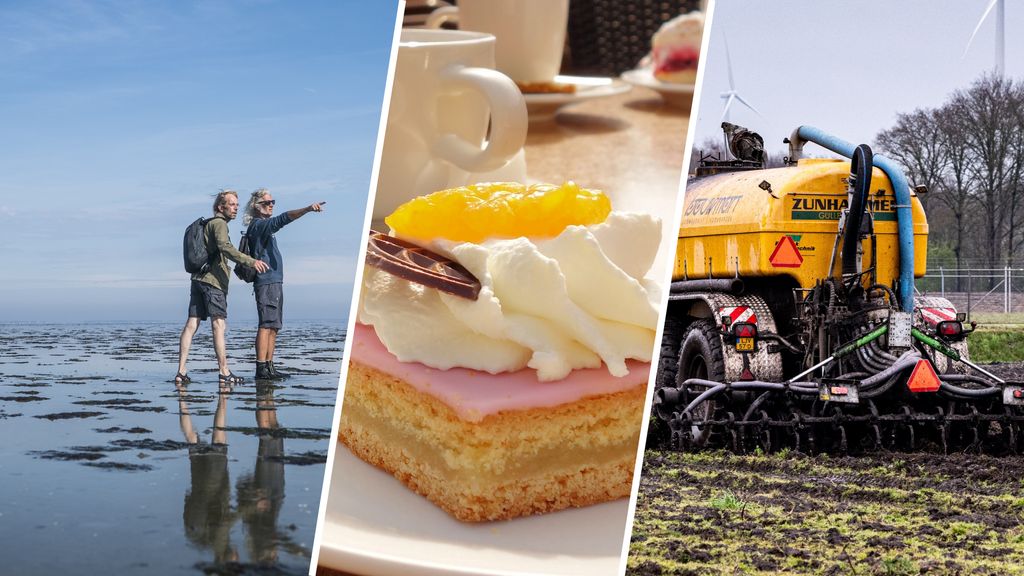
Researchers in Friesland, Netherlands, are embarking on a groundbreaking project to catalog and preserve the region’s distinctive smells, recognizing the often-overlooked role of scent in cultural heritage. This ambitious initiative, led by Inger Leemans, will create a ‘geurbibliotheek’ – a smell library – to document the area’s unique olfactory landscape.
The project’s scope extends far beyond typical historical preservation, encompassing smells deeply intertwined with Friesland’s past. Researchers are meticulously documenting aromas from the Wadden Sea, a vital part of the region’s ecosystem and economy, alongside the traditional production of ‘suikerbrood’ (sugar bread), a local delicacy. Notably, they are also investigating the lingering scent of slaughter waste, a surprisingly significant element of Friesland’s agricultural heritage and a reminder of its industrial past. This detailed documentation is intended to be used not only for research but also to potentially enhance tourism and cultural experiences, offering visitors a truly immersive connection to Friesland’s history and traditions. The ‘geurbibliotheek’ will serve as a valuable resource for understanding and appreciating the region’s unique cultural identity.
Summarized from the sources above. Read the originals for the full story.
Highlights
Friesland Documents Unique Scents
Researchers in Friesland are documenting the region's olfactory heritage, including smells from farming, industry, and historical practices.
Smell Library Project Launched
A ‘geurbibliotheek’ (smell library) is being created to preserve and understand the distinctive scents of Friesland.
Capturing Historic Aromas
The project focuses on documenting smells like the Wadden Sea, sugar bread, and historically significant slaughter waste.
Recognizing the Importance of Smell
The initiative highlights the often-overlooked role of scent within cultural heritage research.
Tourism and Preservation Potential
The collected scents could be utilized in tourism and cultural preservation efforts within Friesland.