Raimund Skips Jump Due to Wind Concerns
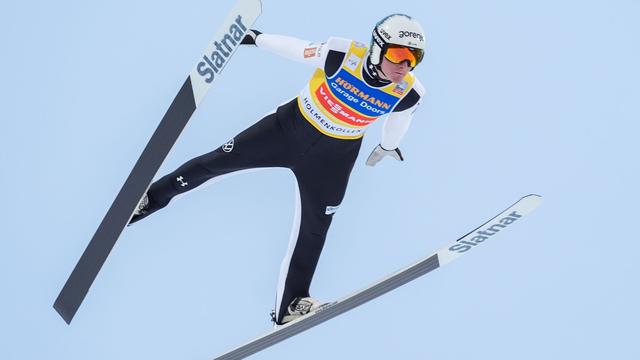
Norwegian ski jumper Philipp Raimund unexpectedly withdrew from the World Cup ski jumping event in Oslo, citing personal reasons and prioritizing safety amidst challenging wind conditions. This decision sparked immediate controversy and raised questions about athlete responsibility and risk assessment within the sport.
The situation escalated quickly following Raimund’s televised decision, with fellow competitor Thomas Widhölzl criticizing the International Ski Federation (FIS) for not adequately addressing the conditions. While Raimund received praise for his cautious approach and prioritizing his well-being, the incident exposed a broader debate about athlete safety protocols in extreme weather, particularly in high-risk sports like ski jumping. Raimund’s previous disqualification likely contributed to his decision, highlighting the psychological pressures faced by elite athletes. Furthermore, the cancellation of the second round underscored the unpredictable nature of the event and the difficulties faced by race organizers in balancing athlete safety with the demands of competition. The controversy has ignited a discussion about the expectations placed upon top athletes and the need for more robust strategies for managing events in volatile conditions.
Summarized from the sources above. Read the originals for the full story.
Highlights
Raimund Withdraws Due to Wind
Philipp Raimund opted out of the Oslo ski jumping competition due to unfavorable wind conditions, initiating a debate about athlete safety and risk assessment.
Weather Disrupts World Cup Event
Sudden wind changes in Oslo significantly impacted the Ski Jumping World Cup, leading to eliminations and highlighting the sport's vulnerability to weather.
Athlete Prioritizes Safety Concerns
Raimund’s decision to prioritize his health over competition sparked praise for his cautious approach and raised broader questions about athlete well-being.
Controversy Over FIS Response
The International Ski Federation (FIS) faced criticism for its handling of the situation, particularly regarding athlete safety and competition management.
Psychological Factors Influence Decisions
Raimund’s withdrawal was influenced by personal considerations, including his mental state and relationships, adding a psychological dimension to the event.
Perspectives
- The recent ski jumping event in Oslo was significantly impacted by adverse weather conditions.
- Philipp Raimund’s decision not to compete due to wind was a key event.
- Athlete safety is a growing concern within the ski jumping community.
- The situation sparked debate about risk assessment and athlete behavior.
Source: Der Standard, ZEIT Online, Der Spiegel, FAZ – View: The competition should proceed regardless of weather, prioritizing the event and athlete performance.
Der Standard, ZEIT Online, Der Spiegel, FAZ
Source: NRK, NRK – View: Athlete safety is paramount, and competition should be suspended when conditions are unsafe.
NRK, NRK
Source: Der Spiegel, FAZ – View: Raimund’s decision was unprofessional and prioritized personal concerns over competition standards.
Der Spiegel, FAZ
Source: NRK, NRK – View: Raimund’s decision was a reasonable and justifiable response to potential risk, reflecting athlete well-being.
NRK, NRK