Middle East War Causes Energy Shock.
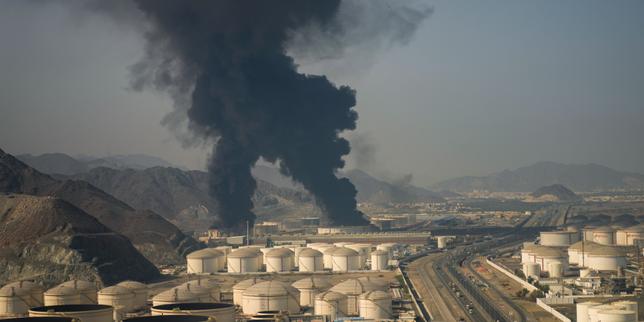
The war in the Middle East is causing oil prices to increase. Experts worry this could lead to a serious economic crisis. The Strait of Hormuz is blocked, disrupting oil supplies.
The conflict has been ongoing for over a month and is impacting global energy markets. The International Energy Agency predicts a large oil shortfall, around 11 million barrels per day. This disruption is affecting countries like China and those in Asia, including the Philippines, Malaysia, and Indonesia. Rising oil prices are causing inflation and concerns about global trade. European countries are examining the impact of this energy crisis.
Summarized from the sources above. Read the originals for the full story.
Highlights
Oil Prices Rising
The war in the Middle East is causing oil prices to rise.
Potential for Severe Crisis
Experts worry the situation could be worse than the 1970s oil crises.
Strait of Hormuz Blockade
The blockade of the Strait of Hormuz is disrupting oil markets.
China's Impact
China is affected by the energy crisis as a major oil importer.
Rising Energy Prices
The war in the Middle East is causing rising energy prices and concerns about a major crisis.
Perspectives
- The war in the Middle East is causing oil prices to rise.
- This rise in prices is impacting the global economy.
- The blockade of the Strait of Hormuz is disrupting oil markets.
- There are concerns about a potential major crisis due to the situation.