Von der Leyen Strums Through Eastern Mediterranean Crisis
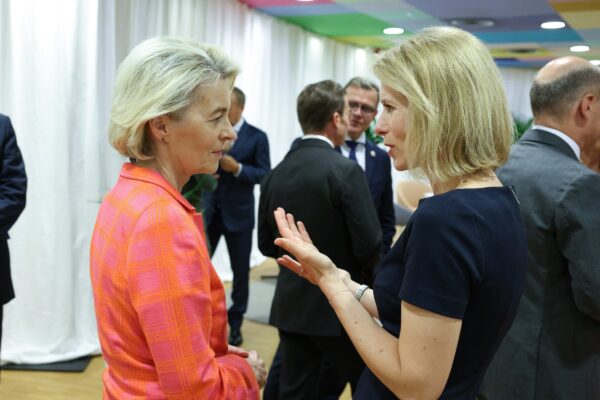
Growing criticism is targeting European Commission President Ursula von der Leyen following her independent diplomatic efforts in the wake of the US and Israel’s strikes on Iran. The controversy centers around accusations that she is exceeding her authority as EU leader and prioritizing bilateral relationships over collective European policy, particularly regarding condemnation of the attacks.
The situation has exposed a significant power struggle within the EU’s institutions. While European Council President António Costa and High Representative Kaja Kallas have been central to coordinating the bloc’s response, Von der Leyen’s proactive engagement with both the US and Israel – including a controversial declaration about the ‘end of the rules-based world order’ – has been viewed by some as a deliberate attempt to circumvent established procedures and challenge the consensus. This has fueled concerns about a lack of coordination and a potential undermining of the EU’s unified foreign policy stance. Critics argue that Von der Leyen’s actions demonstrate a prioritization of transatlantic relationships over the interests of the European Union, raising questions about her commitment to the bloc’s core values and strategic autonomy.
Summarized from the sources above. Read the originals for the full story.
Highlights
Von der Leyen's Overstep Concerns
European leaders criticize Ursula von der Leyen's actions, arguing she's prioritizing German interests over the broader EU perspective.
Foreign Policy Responsibility Dispute
The recent Iran strikes have highlighted a power struggle within the EU regarding the control and direction of foreign policy.
Silence on US-Israel Actions
Ursula von der Leyen's reluctance to publicly condemn US and Israeli actions in Iran has drawn significant criticism.
Cautious Stance Under Scrutiny
Her perceived cautious approach towards the US and Israel is fueling discontent within Europe.
Shifting Institutional Power Dynamics
Von der Leyen's actions are challenging the established roles of other key EU figures like Costa and Kallas.
Perspectives
- Ursula von der Leyen is facing criticism for her actions and statements.
- Her actions regarding the Iran situation have drawn attention to EU foreign policy divisions.
- There are concerns about her representation of the European Union.
- Von der Leyen's speech on the 'rules-based world order' has generated discontent.
Critics argue her silence is a failure to adequately represent EU concerns and values regarding international law and human rights.
New
Her cautious stance is seen as a pragmatic approach to maintaining relationships with key allies, particularly the US and Israel.
El País
Some sources believe von der Leyen’s actions have overshadowed the roles of other EU leaders like Costa and Kallas.
EU Observer
Others suggest von der Leyen’s actions are a deliberate attempt to assert the Commission’s role in shaping EU foreign policy.
El País