Weimar’s Appearance at Buchenwald Memorial Sparks Controversy
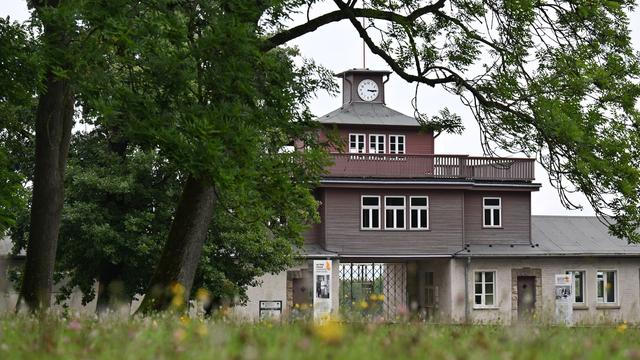
A planned speech by Wolfram Weimer, the grandfather of comedian Hape Kerkeling and a figure linked to the Weimar Republic, at a Buchenwald concentration camp memorial event has ignited a major controversy. Relatives of political prisoners are vehemently objecting to his participation, sparking intense debate about historical remembrance and Germany’s approach to confronting its Nazi past.
The core of the dispute centers on the appropriateness of including a representative of the Weimar Republic – a period directly preceding the Nazi regime – at a memorial dedicated to the victims of Buchenwald. Critics, including prominent figures like former Cardinal Franz J. Wallner Tischner, argue that Weimer’s presence risks minimizing the suffering endured at the camp and potentially trivializing the Holocaust. Supporters, however, contend that confronting uncomfortable truths and engaging with all aspects of Germany’s history, even those associated with the preceding era, is crucial for genuine remembrance and preventing future atrocities. The event has amplified existing discussions surrounding a national memorial day for the Holocaust, further highlighting the deeply sensitive and complex nature of remembering this dark chapter in German history. The situation underscores the ongoing struggle to balance historical accuracy with the need for respectful and meaningful commemoration.
Summarized from the sources above. Read the originals for the full story.
Highlights
Weimer Speech Controversy at Buchenwald
Two Buchenwald organizations opposed Wolfram Weimer's planned speech, citing disrespect and concerns about historical interpretation.
Memorial Event Sparks Debate
The planned appearance of Wolfram Weimer at the Buchenwald memorial ignited a significant controversy regarding remembrance and historical responsibility.
Relatives Object to Weimer's Presence
Relatives of political prisoners blocked Wolfram Weimer’s participation, highlighting sensitivities surrounding representation at historical sites.
Support for Remembrance Efforts
Former Cardinal Tischner advocated for Weimer’s appearance, arguing it was a necessary step for remembrance and reflection.
Holocaust Remembrance Remains Complex
The debate surrounding Weimer’s speech underscores the sensitive nature of remembering the Holocaust and the complexities of public figures addressing such sites.