India’s education minister resigns after protests.
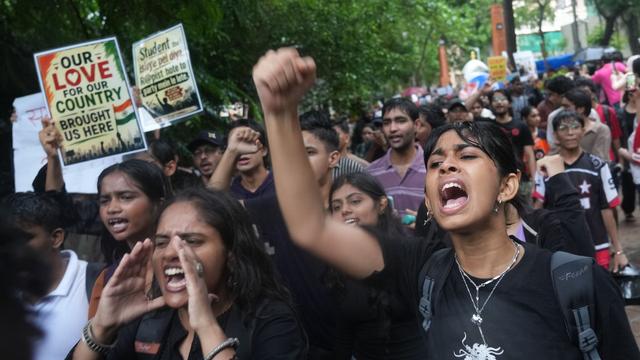
India’s Education Minister, Ramesh Pokhriyal Nishank, resigned due to student protests. The protests focused on online learning and the use of force by police. This event highlights concerns about education policy in India.
The protests began weeks before the minister’s resignation. Students and teachers were against the government’s decision to move classes online. Police used tear gas to stop the student protesters in New Delhi. Documents leaked to the public showed concerns about the education policies. The ‘Cockroach’ protest movement, led by young people, celebrated the minister’s resignation.
Summarized from the sources above. Read the originals for the full story.
Highlights
Minister Resigned Due to Protests
Ramesh Pokhriyal Nishank, India’s Education Minister, resigned following student protests.
Protests Demanded Online Exams
Students protested demanding the government reverse the decision to hold final year exams online.
Youth Movement Achieved Victory
The resignation is seen as a victory for the youth-led protest movement.
Police Used Force During Protests
Police used tear gas to disperse student protesters in New Delhi.
Protests Raised Concerns About Policy
The protests highlighted concerns about the government’s handling of education policy and student anxieties.
Perspectives
- The Education Minister, Ramesh Pokhriyal Nishank, resigned.
- Student protests demanded the government reverse online learning decisions.
- The resignation is seen as a victory for youth protesters.
- The protests involved violence and police use of tear gas.
Protests were primarily about online learning decisions and government policy.
France24 English, De Volkskrant, ZEIT Online, New
Protests were fueled by police violence and the use of tear gas.
NRK, NRK