EU bans AI for pornographic deepfakes.
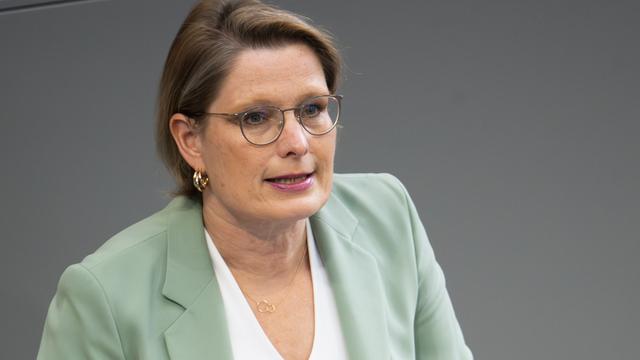
Germany is enacting new laws to combat the creation and distribution of deepfake pornography. Justice Minister Hubig is proposing legislation to hold perpetrators accountable and address the growing concern of individuals feeling unprotected. This follows a scandal involving a celebrity and reflects a broader effort to address online abuse and protect victims.
The German government is responding to the increasing threat of digitally generated, sexually explicit deepfakes. Justice Minister Stefanie Hubig announced new legal measures to criminalize the creation and distribution of manipulated media, particularly deepfakes, aiming to protect individuals. This follows accusations against a television moderator and his wife, highlighting a vulnerability in the legal system. The European Parliament has also voted to ban AI-generated sexually explicit deepfakes. Legal experts are clarifying the specific legal parameters and potential penalties associated with this emerging form of digital abuse. The German government is proposing stricter penalties for offenses, and the case of Collien Fernandes has brought renewed attention to the issue. The European Union is also taking action to ban AI-generated deepfake pornography.
Summarized from the sources above. Read the originals for the full story.
Highlights
Germany Proposes Law Against Deepfake Pornography
German Justice Minister Hubig is proposing a new law to criminalize the creation and distribution of manipulated media, particularly deepfakes, aiming to protect individuals from harm and address the growing threat of digital abuse.
EU Parliament Votes to Ban AI-Generated Deepfake Porn
The European Parliament has voted to ban the use of artificial intelligence to create sexually explicit deepfake images, aiming to protect individuals from non-consensual pornography and potential harm.
Austria Addresses Deepfake Vulnerabilities in Cybercrime Laws
Austrian law attempts to address the issue of deepfakes through cybermobbing provisions, but the protection offered is currently limited and ineffective, highlighting a significant vulnerability.
Germany to Criminalize AI-Generated Pornographic Deepfakes
Germany is enacting legislation to criminalize the creation and distribution of pornographic deepfakes following a recent case involving a celebrity, aiming to address legal loopholes surrounding virtual abuse.
Justice Minister Calls for Tougher Penalties for Digital Violence
German Justice Minister Stefanie Hubig is calling for tougher penalties for offenses involving deepfakes and digital violence, raising concerns about the misuse of AI and the potential for non-consensual intimate imagery.
Perspectives
- All sources agree that the creation and distribution of sexually explicit deepfakes are a growing problem.
- Most sources agree that there is a need to hold perpetrators accountable for creating and distributing deepfake pornography.
- Many sources agree that the misuse of artificial intelligence in creating non-consensual pornography is a significant concern.
- Several sources, particularly in Germany and the EU, are proposing legislation to criminalize the creation and distribution of deepfakes.
The EU Parliament is considering a ban on AI systems specifically for creating pornographic deepfakes, reflecting a narrower focus than broader definitions of 'digital violence'.
ZEIT Online, DW Deutsch, RTL Nieuws, El País
German sources (FAZ) express concerns that simply strengthening criminal penalties won't stop the spread of fake videos, suggesting a need for more comprehensive solutions.
FAZ