Dutch join genocide case against Israel
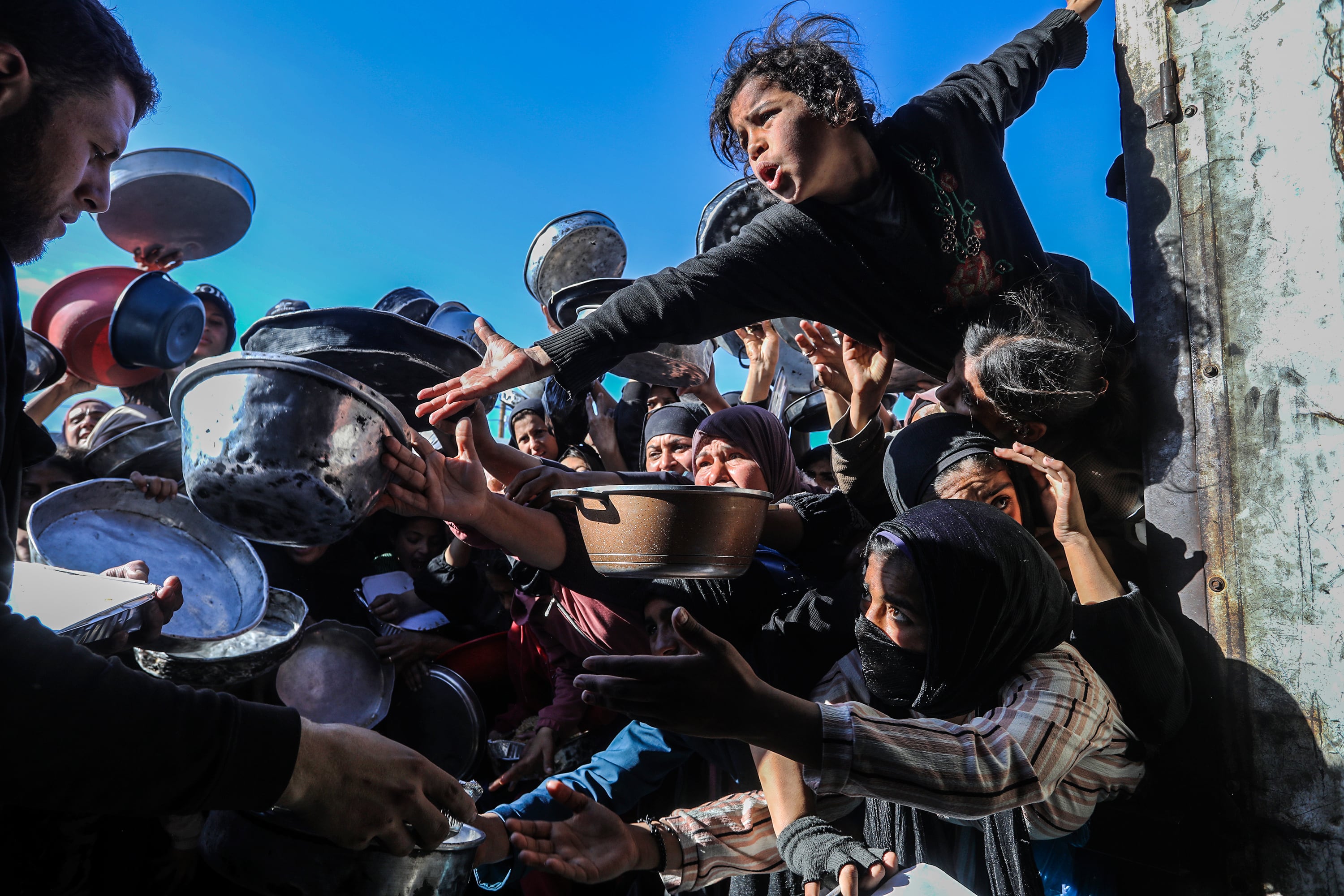
The Netherlands has intervened in South Africa's genocide case against Israel at the International Court of Justice, focusing on forced displacements, attacks on children, and starvation as potential elements of genocide. While maintaining neutrality, the Dutch government's legal interpretation supports South Africa's stance on the Genocide Convention.
The Dutch intervention comes as the Netherlands and Iceland prepare to present arguments in the case, highlighting the treatment of children and the impact of humanitarian aid restrictions in Gaza. South Africa initially accused Israel of violating the 1948 Genocide Convention in 2023. The Dutch Ministry of Foreign Affairs stated that their intervention aims to contribute to a consistent interpretation of the convention, clarifying international legal standards without taking sides.
Summarized from the sources above. Read the originals for the full story.
Highlights
Dutch Intervention in ICJ
The Netherlands has intervened in South Africa's genocide case against Israel at the ICJ, focusing on forced displacements, targeted attacks on children, and starvation.
Neutral Legal Interpretation
The Dutch government remains neutral but supports South Africa's stance on the Genocide Convention, highlighting the vulnerability of children and the impact of humanitarian aid restrictions in Gaza.
International Support for South Africa
The Netherlands and Iceland will present arguments in the ICJ case against Israel for alleged genocide in Gaza, focusing on forced displacement, treatment of children, and withholding humanitarian aid.
Consistent Interpretation of Genocide Convention
The Dutch Ministry of Foreign Affairs stated that their intervention aims to contribute to a 'consistent interpretation' of the Genocide Convention.
Initial Accusation by South Africa
South Africa initially accused Israel of violating the 1948 Genocide Convention in 2023.