100 Spanish Cities Fail to Implement Low Emission Zones
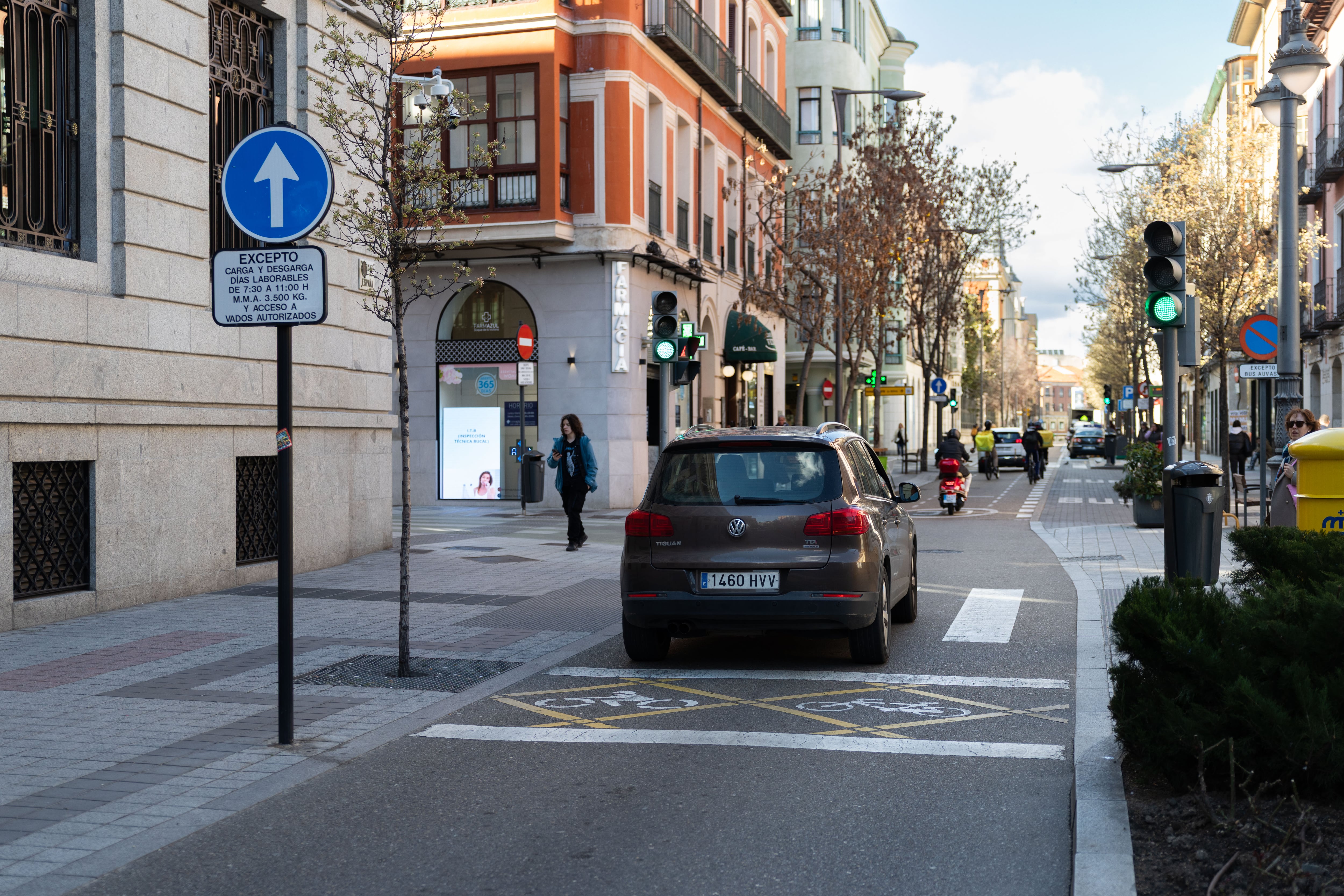
Despite a three-year-old law requiring low-emission zones in Spain’s major cities, a staggering two-thirds of municipalities have failed to enact them. This inaction highlights a significant gap in Spain’s efforts to combat air pollution and meet climate change targets. The situation is fueling criticism from environmental groups and raising questions about the government’s commitment to enforcement.
The 2021 law, intended to drastically reduce vehicle emissions in urban areas, stipulated that all cities exceeding 50,000 inhabitants should establish low-emission zones by January 2024. However, as of today, over 100 cities have not complied, including several of Spain’s largest, such as Valencia and Murcia. Critics argue that the government’s response has been weak, with minimal penalties for non-compliance and a lack of urgency in addressing the issue. Furthermore, the failure to implement these zones coincides with plans to reduce public transport subsidies, creating a paradoxical situation where efforts to encourage sustainable transport are undermined by a lack of foundational infrastructure. This delay is not only impacting air quality but also hindering Spain’s progress towards meeting its national and European climate goals.
Summarized from the sources above. Read the originals for the full story.
Highlights
Spain's Low Emission Zones Lag
Two-thirds of Spanish cities have failed to establish low-emission zones three years after the law's implementation, highlighting a significant delay in addressing air quality concerns.
Significant City Non-Compliance
Over 100 of Spain’s largest cities have not implemented mandated low-emission zones, despite a 2021 law requiring their creation.
Valencia and Murcia Unimplemented
Major cities like Valencia and Murcia remain without low-emission zones, demonstrating a widespread failure to comply with national regulations.
Government Inaction Criticized
Environmental groups are blaming the government for inaction and a lack of enforcement regarding low-emission zone implementation.
Delayed Traffic Restrictions
Only eight new restricted traffic areas were established in the last year, indicating a slow and incomplete rollout of the low-emission zone initiative.