Putin and Ukraine agree on a ceasefire for Easter.
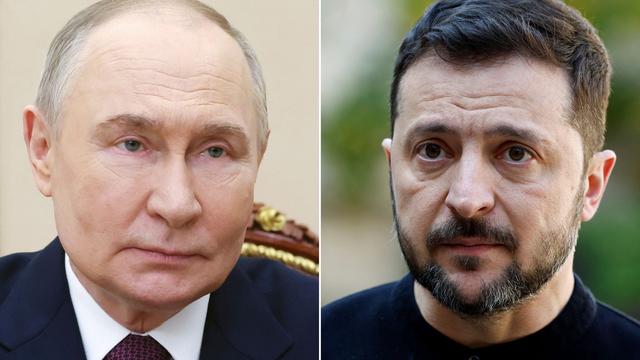
Russian President Vladimir Putin announced a 32-hour ceasefire in Ukraine during Orthodox Easter, starting Saturday evening and ending Sunday midnight. Ukrainian President Volodymyr Zelenskyy agreed to this ceasefire to allow civilians to celebrate Easter and for humanitarian aid to be delivered. This pause in fighting is intended to de-escalate the conflict.
Russian President Vladimir Putin announced a 32-hour Easter ceasefire in Ukraine, responding to repeated Ukrainian requests for a pause in fighting. This truce was set to begin Saturday evening and last through Sunday. Ukrainian President Volodymyr Zelenskyy confirmed the agreement and stated Ukraine was ready for reciprocal measures. The ceasefire aims to allow civilians to celebrate Easter without hostilities and for the exchange of prisoners. However, reports suggest fighting will likely continue despite the temporary halt. The announcement comes amid ongoing challenges for both sides, including Ukraine’s impact on Russian oil exports and Russia’s attacks on Ukrainian energy infrastructure. Previous announcements have been disregarded, raising concerns about the sincerity of the pause.
Summarized from the sources above. Read the originals for the full story.
Highlights
Putin Announces Easter Truce
Russian President Vladimir Putin announced a 32-hour ceasefire in Ukraine during Orthodox Easter, intended to allow civilians to celebrate and for humanitarian aid to be delivered.
Zelenskyy Agrees to Truce
Ukrainian President Volodymyr Zelenskyy agreed to observe the ceasefire announced by Putin, aiming to allow civilians to move freely and potentially facilitate humanitarian efforts.
US Mediation Efforts Continue
US representatives are scheduled to have a video call with Ukrainian President Zelenskyy to discuss a ceasefire proposal.
Russia Rejects Clarity on Truce
Russia’s spokesperson stated the proposed Easter truce lacked clarity, highlighting skepticism about its sincerity.
Fighting Continues Despite Truce
Despite the announced ceasefire, Russian forces launched a drone attack on Ukraine, demonstrating continued conflict and uncertainty.
Perspectives
- Russia announced a ceasefire during Orthodox Easter.
- Ukrainian President Zelenskyy agreed to this ceasefire.
- The ceasefire aims to allow civilians to move freely and potentially facilitate humanitarian efforts.
- The ceasefire is intended to allow civilians to attend religious services and for families to reunite.
Russia’s ceasefire is a PR stunt to improve its image internationally. It lacks genuine intent to de-escalate the conflict and is likely to be broken quickly.
The Guardian Europe, FAZ, NOS Nieuws
Russia’s ceasefire is a genuine attempt to create a window for negotiations and humanitarian access, despite skepticism.
France24, Le Monde, RTL Nieuws
Ukraine is wary of the ceasefire and expects it to be violated, viewing it as a tactic to regroup and launch new Placement.
El País, ANSA, NU.nl
Ukraine is ready to reciprocate the ceasefire and use it as an opportunity to restart negotiations with Russia and the US.
ZEIT Online, The Guardian Europe, ANSA
The ceasefire is likely to be short-lived and ineffective due to Russia’s history of disregarding such agreements.
El País, Público
The ceasefire could provide a valuable opportunity for humanitarian aid delivery and a brief respite from the fighting, potentially paving the way for further negotiations.
FAZ, ZEIT Online