Asteroid Samples Contain Building Blocks of Life’s DNA.
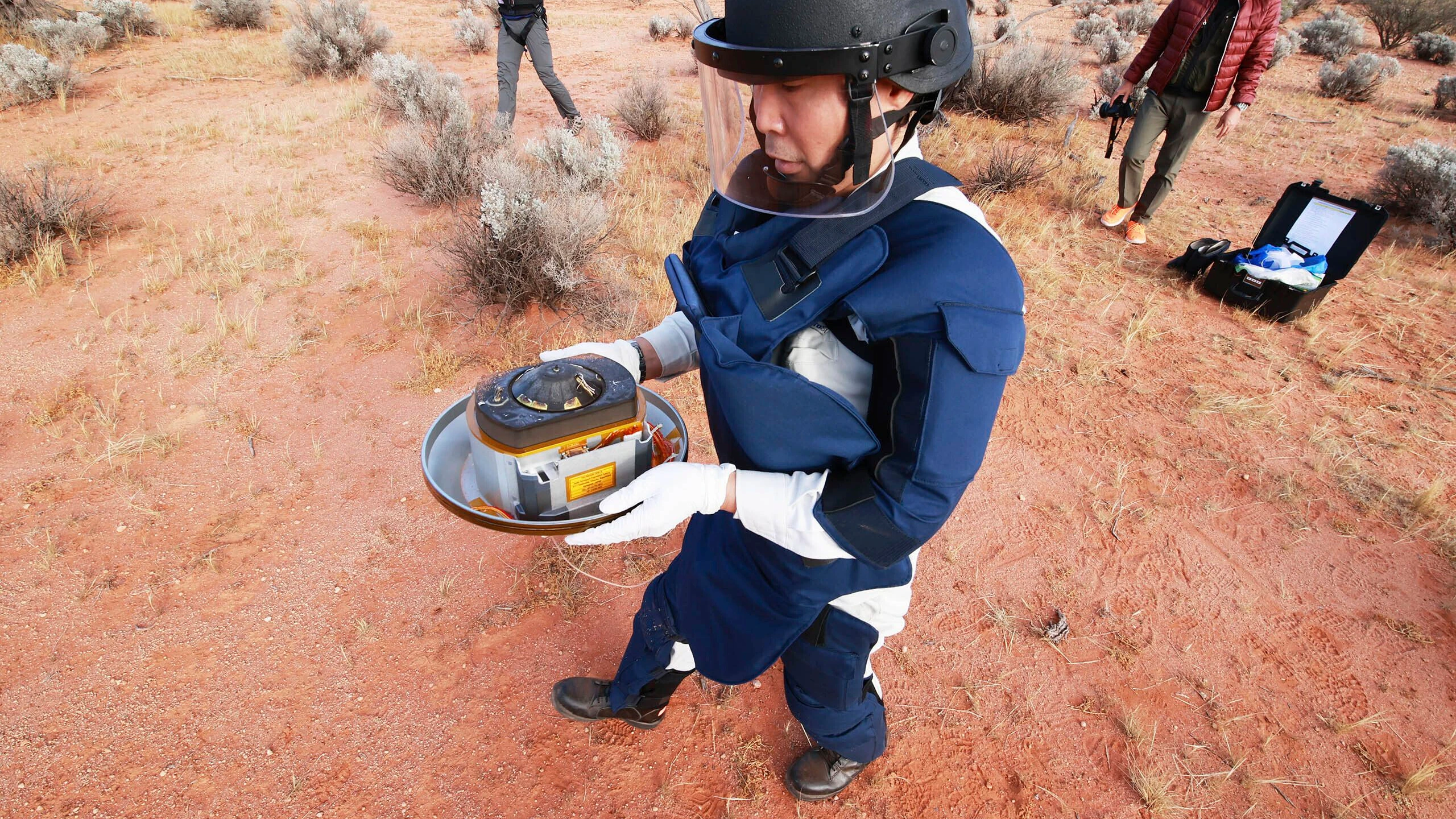
A groundbreaking discovery by Japanese researchers has revealed the presence of DNA and RNA building blocks within samples from the asteroid Ryugu, igniting excitement about the potential for extraterrestrial origins of life. This finding, confirmed by multiple research teams, suggests that the fundamental components of life may have originated in space, dramatically shifting our understanding of life’s beginnings.
The analysis of asteroid Ryugu, a near-Earth asteroid, uncovered all five nucleobases – adenine, guanine, cytosine, thymine, and uracil – which are the core components of both DNA and RNA. This discovery, published in ‘Nature Astronomy’, indicates that these vital molecules weren’t solely created on Earth but could have been delivered by asteroids during the early solar system. Scientists believe that these molecules, combined with evidence of microbial survival under extreme conditions, strongly support the theory that asteroids played a significant role in seeding life on our planet. The implications extend far beyond Earth, suggesting that the ingredients for life may be widespread throughout the solar system and potentially other planetary systems. Further research will undoubtedly focus on analyzing other asteroids to confirm these findings and refine our understanding of how life originated.
Summarized from the sources above. Read the originals for the full story.
Highlights
Ryugu Contains DNA Building Blocks
Scientists discovered DNA and RNA components within asteroid Ryugu, bolstering the theory that these fundamental building blocks of life originated in space.
Nucleobases Found in Asteroid Dust
Analysis of Ryugu dust revealed the presence of nucleobases – essential components of terrestrial DNA and RNA – suggesting a cosmic origin for life's building blocks.
Life's Building Blocks Widespread?
The discovery of building blocks in Ryugu suggests these components may be prevalent throughout the solar system, expanding the possibilities for life's origins.
Asteroids as Life's Seeders
Research indicates asteroids may have played a crucial role in seeding life on Earth and potentially other planets by delivering essential organic molecules.
Extreme Conditions Support Microbial Survival
The findings highlight the potential for microbes to survive extreme conditions, such as space impacts, further supporting the asteroid's role in life's origins.
Perspectives
- Scientists have found key building blocks of DNA and RNA within asteroid Ryugu.
- The discovery suggests asteroids may have played a role in the origin of life.
- The findings raise fundamental questions about life's origins in the solar system.
- Analysis of asteroid Ryugu provides insights into potential life seeding events.
The discovery strongly suggests a direct role for asteroids in seeding life on Earth, potentially a primary driver of biological development.
Dagens Nyheter, New
While acknowledging the significance of the building blocks, the findings primarily offer insights into the chemical processes that *could* have led to life's emergence, without definitively proving a seeding role.
FAZ, Der Standard, Le Monde