Stranded Whale Faces Critical Rescue Efforts in Baltic Sea
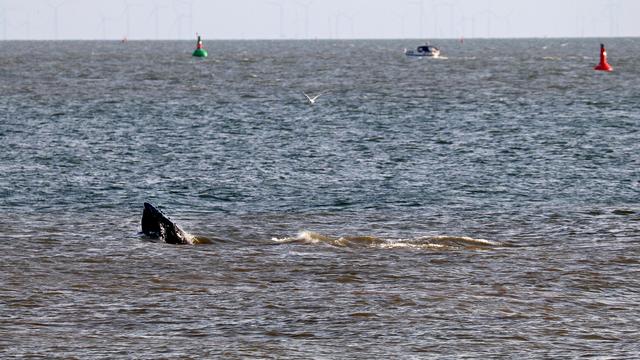
```json { "summary": "A humpback whale was discovered stranded on a sandbank off the coast of Timmendorfer Strand, Germany, earlier this week, prompting a rescue operation. Despite initial attempts to dislodge the animal, the whale remains trapped, and a specialized vehicle is now being deployed to attempt a rescue. This incident highlights the vulnerability of marine life and the challenges of wildlife rescue operations.", "body": "The situation at Timmendorfer Strand is particularly complex due to the whale’s deep embedding in the sand, requiring a larger excavator for effective removal. Initial efforts using a suction dredger proved unsuccessful, and the animal’s condition is being closely monitored by marine biologists. The incident underscores the difficulties inherent in marine animal rescue, particularly when dealing with large, distressed creatures in challenging coastal environments. Authorities are carefully considering the best approach to minimize harm to the whale while maximizing the chances of a successful rescue. The ongoing efforts are not only focused on immediate relief but also on understanding the factors that led to the whale’s stranding, potentially informing broader conservation strategies for the Baltic Sea.” } ```
Summarized from the sources above. Read the originals for the full story.
Highlights
Stranded Whale Rescue Efforts Continue
Multiple rescue teams are working to free a humpback whale trapped on a sandbank off the coast of Timmendorfer Strand, Germany, facing challenges due to the animal's size, location, and potential interference from onlookers.
Failed Initial Rescue Attempts
Initial attempts to dislodge the stranded whale using a suction dredger near Timmendorfer Strand were unsuccessful, necessitating the use of a larger excavator for a more effective rescue operation.
Concerns Over Whale's Condition
The stranded whale is showing signs of distress, prompting concerns about its health and survival, particularly given the potential impact of the rising tide and shallow waters.
Impact of Human Interference
Local authorities are struggling to assist the rescue efforts due to the presence of onlookers, who are inadvertently stressing the vulnerable creature and complicating the operation.
Marine Ecosystem Concerns
The incident has raised broader concerns about the health of the Baltic Sea and the potential impact on marine wildlife, prompting investigations into the cause of the stranding and the need for improved safety measures.
Perspectives
- All sources agree that a humpback whale (or similar large whale) became stranded on a sandbank off the coast of the Baltic Sea, near Timmendorfer Strand or Lübeck Bay.
- The primary concern is the whale’s immediate survival and the difficulty of a successful rescue operation due to the animal’s size and the challenging environment.
- Rescue efforts are underway involving local authorities, marine biologists, and potentially specialized equipment to attempt to free the whale.
- The situation highlights the vulnerability of marine wildlife and the potential impact of human activities (e.g., shipping lanes, sonar) on their well-being.