German LNG Terminal Can Operate Without Grid Power
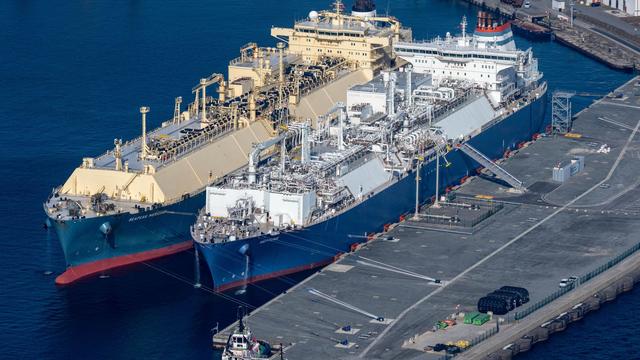
The Rügen LNG terminal in Germany has received approval to operate 24/7 without needing grid electricity, a pivotal move designed to strengthen the nation’s energy security. This decision comes as Europe grapples with the ongoing energy crisis and concerns about potential disruptions to natural gas supplies. The terminal’s operational independence is now a key component of Germany’s winter energy strategy.
This approval is particularly significant given the continued instability in Iran, a major natural gas producer. Despite the geopolitical tensions, LNG imports through Rügen have maintained a steady flow, preventing a severe energy shortage for Germany. The terminal’s ability to function independently allows it to respond quickly to fluctuations in supply and demand, providing a buffer against potential disruptions. Experts believe this operational flexibility will be vital in ensuring Germany’s industrial output and economic stability throughout the upcoming winter months, demonstrating a proactive approach to energy resilience.
Summarized from the sources above. Read the originals for the full story.
Highlights
Rügen Terminal Operates Independently
The Rügen LNG terminal received approval to run continuously, enhancing Germany's energy security during the energy crisis.
Iran War Stabilizes Gas Supply
Increased LNG deliveries through German terminals have maintained stable gas supplies to Germany despite the conflict in Iran.
Diversification Efforts Continue
Germany's reliance on LNG terminals demonstrates a strategy to diversify energy sources and combat geopolitical risks.
Winter Energy Strategy Supported
The Rügen terminal's independent operation is a key component of Germany's winter energy plan.
Economic Stability Maintained
Stable gas supplies via LNG terminals are vital for supporting Germany’s economy.