Paris Mayor Race: Tight Contest, Presidential Implications Emerge
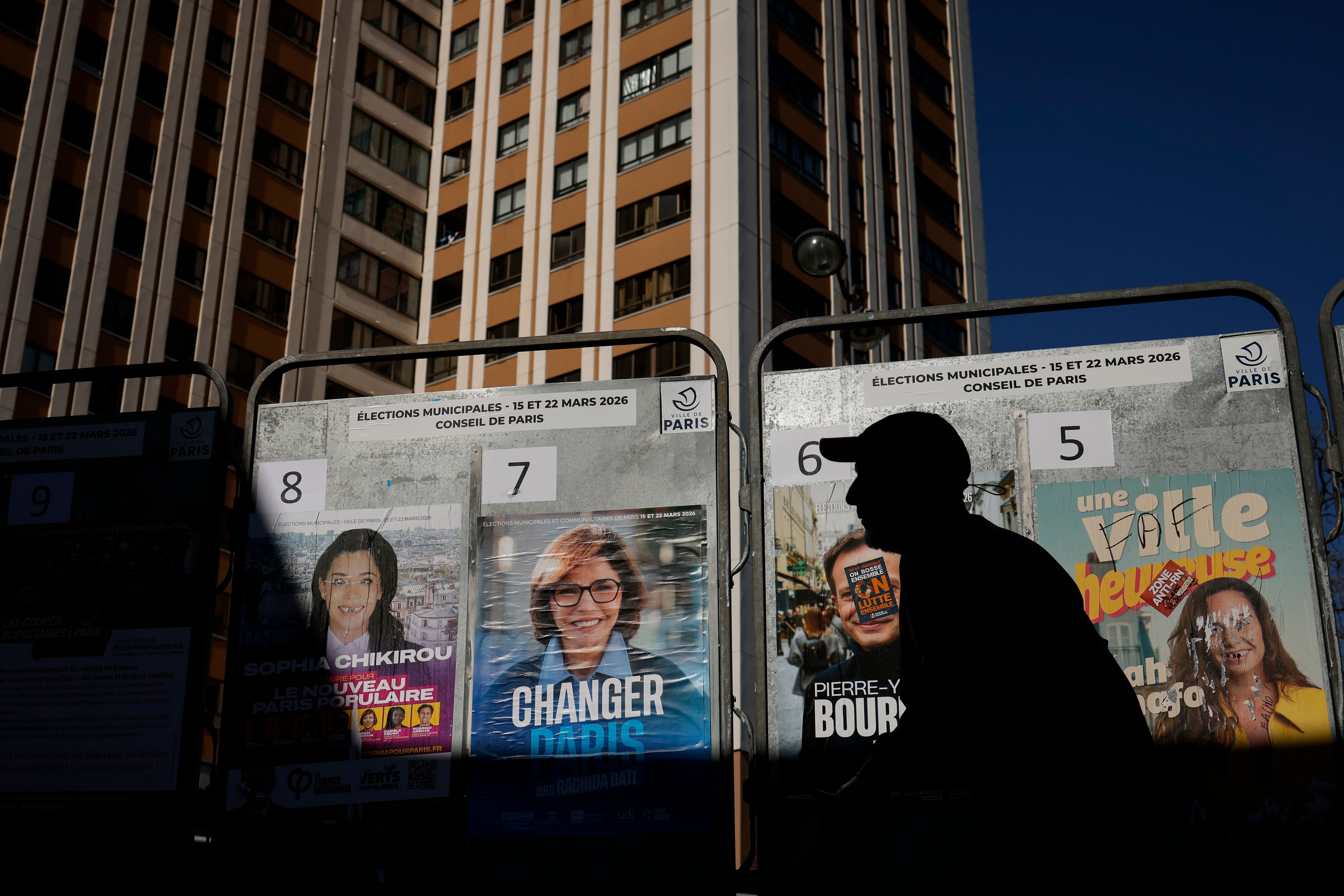
The Paris mayoral race remains highly contested following the first round, with Socialist candidate Emmanuel Grégoire leading but facing a strong challenge from right-wing contender Rachida Dati. This election is being viewed as a significant test for the Socialist party and a potential bellwether for the 2027 presidential election, with shifting alliances and strategic maneuvering dominating the race.
The initial results saw a surprising surge in support for Rachida Dati, a former minister, who has partnered with a right-wing alliance to challenge Grégoire’s dominance. This development has fueled speculation about a potential shift in Parisian politics and raised questions about the future of the Socialist party’s 25-year hold on the city. Several sources highlight the intense competition, with candidates engaging in heated debates and forming last-minute alliances to secure votes. Notably, the election is being closely watched as a potential indicator for the 2027 presidential election, and the outcome could significantly influence national politics. Furthermore, the race has extended beyond Paris, with local elections across France also seeing significant shifts in voter sentiment and strategic alliances, particularly concerning the rise of the Rassemblement National party.
Summarized from the sources above. Read the originals for the full story.
Highlights
Paris Election Signals National Political Shift
The competitive local elections in Paris, particularly the race for mayor, are being closely watched as a potential bellwether for the 2027 French presidential election, highlighting shifting political alliances and voter sentiment.
Right-Wing Alliance Challenges Socialist Lead in Paris
A right-wing candidate's partnership with a former minister has created a significant challenge to the Socialist frontrunner, Emmanuel Grégoire, in the Paris mayoral race.
Paris Local Elections Reflect National Political Divisions
The intense competition in Paris’s municipal elections mirrors broader divisions within French politics, with debates focusing on key issues like housing and transportation.
Strategic Alliances Shape Runoff Contenders
Parties are forming strategic alliances ahead of the runoff elections, including controversial partnerships between the left and right, impacting the potential outcomes.
High Voter Turnout Signals Civic Engagement
Paris experienced a notably high voter turnout in the first round of the mayoral election, indicating significant civic engagement and a desire for change.
Perspectives
- The first round of the Paris mayoral election saw Socialist candidate Emmanuel Grégoire leading the polls.
- A runoff election is scheduled to determine the new mayor of Paris.
- Right-wing candidates are attempting to challenge the Socialist party's dominance in Paris.
- Alliances and strategic maneuvers are being formed among the candidates ahead of the runoff.
Right-wing alliances aim to break the Socialist party's 25-year grip on the city, suggesting a significant shift in power.
Politico EU, Le Monde, RFI
Analysts caution against drawing conclusions so early, indicating uncertainty about the outcome and the possibility of the Socialists maintaining control.
France24 English, France24 FR
Candidates are forming alliances with defeated rivals to maximize their chances in the runoff.
France24 English, France24 FR, RFI, RTBF
Strategic withdrawals, like Sarah Knafo blocking a left-wing coalition, demonstrate a calculated effort to influence the election's trajectory.
Le Monde FR
Legal action against Arcom raises concerns about potential bias and challenges the integrity of the election.
Le Monde FR
The situation is being monitored closely, with no explicit statement of concern from other sources.