Pentagon’s Press Restrictions Blocked by U.S. Court
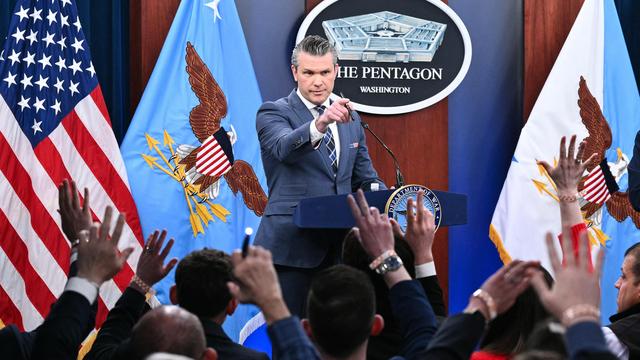
A U.S. federal judge has ruled that the Pentagon’s restrictions on journalists’ access to information, particularly regarding military briefings and classified materials, are unconstitutional. This decision, stemming from lawsuits filed by news organizations like The Washington Post and The New York Times, centers on concerns about government overreach and the violation of First Amendment rights to freedom of the press. The ruling effectively reverses a policy implemented by the Trump administration to limit media access and control the narrative surrounding military operations. This legal battle highlights ongoing tensions between the executive branch and the media regarding transparency and accountability.
The core of the legal challenge revolved around the Pentagon’s attempts to dictate which journalists could attend briefings and publish information, framing those investigating classified materials as a security risk. The judge’s ruling emphasized the vital role of a free press in holding the government accountable and ensuring the public is informed about national security matters. This decision has led to significant changes, including the closure of the ‘Correspondents’ Corridor,’ a longstanding pathway for journalists to access information, and the relocation of news outlets to separate facilities on the Pentagon grounds. The Department of Defense intends to appeal the decision, arguing the need to protect national security, while simultaneously acknowledging the importance of maintaining a productive relationship with the media. The ramifications of this ruling are expected to reshape the landscape of military reporting and potentially lead to increased transparency regarding defense policies and operations.
Summarized from the sources above. Read the originals for the full story.
Highlights
Pentagon Access Restrictions Ruled Unconstitutional
A U.S. judge declared the Pentagon's regulations restricting journalists' access to military information unconstitutional, sparking concerns about government transparency and media reporting on national security.
Court Blocks Pentagon's Media Policy
A U.S. judge temporarily blocked the Pentagon’s new media policy, citing concerns about limitations on press freedom and the flow of information regarding military operations.
Pentagon Limits Journalist Access
The Pentagon implemented new rules requiring journalists to be ‘authorized personnel’ to access the department, significantly restricting media access and raising transparency concerns.
Media Access Dispute Intensifies
The Pentagon’s decision to restrict journalists’ access to its headquarters, establishing separate media offices, has sparked controversy and raised concerns about freedom of the press.
Government Overreach Concerns Raised
The legal challenges to the Pentagon’s policies highlight ongoing tensions between the media and the executive branch regarding transparency and the public’s right to information about government actions.
Perspectives
- A U.S. judge ruled that Pentagon regulations restricting journalists’ access are unconstitutional.
- The ruling centers on concerns about government transparency and the press’s ability to report on national security.
- The decision raises questions about government control over media access and the flow of information.
- The core issue is the restriction of journalists’ access to military information and its implications for press freedom.
The Pentagon and DOJ argue restricting access is necessary for national security and preventing leaks of classified information.
ZEIT Online, Der Spiegel, RTL Nieuws, ORF News, Der Standard
The courts and media outlets contend that limiting access undermines freedom of the press and the public’s right to know about military operations.
NU.nl, Público, Le Monde, RFI, New
The Pentagon frames journalists investigating classified materials as a ‘security risk’ and a threat to national security.
Der Standard
Critics argue the restrictions are an attempt to silence critical reporting and control the narrative.
Público, Le Monde, RFI
The Pentagon’s rules initially focused on preventing the publication of ‘unapproved’ information, a broad category.
NU.nl, NU.nl, RTL Nieuws
The judge’s ruling highlighted the broader implications of limiting access to briefings and information regarding military affairs.
ZEIT Online, Der Spiegel, ORF News