Renfe Orders 30 High-Speed Trains to Combat Service Crisis
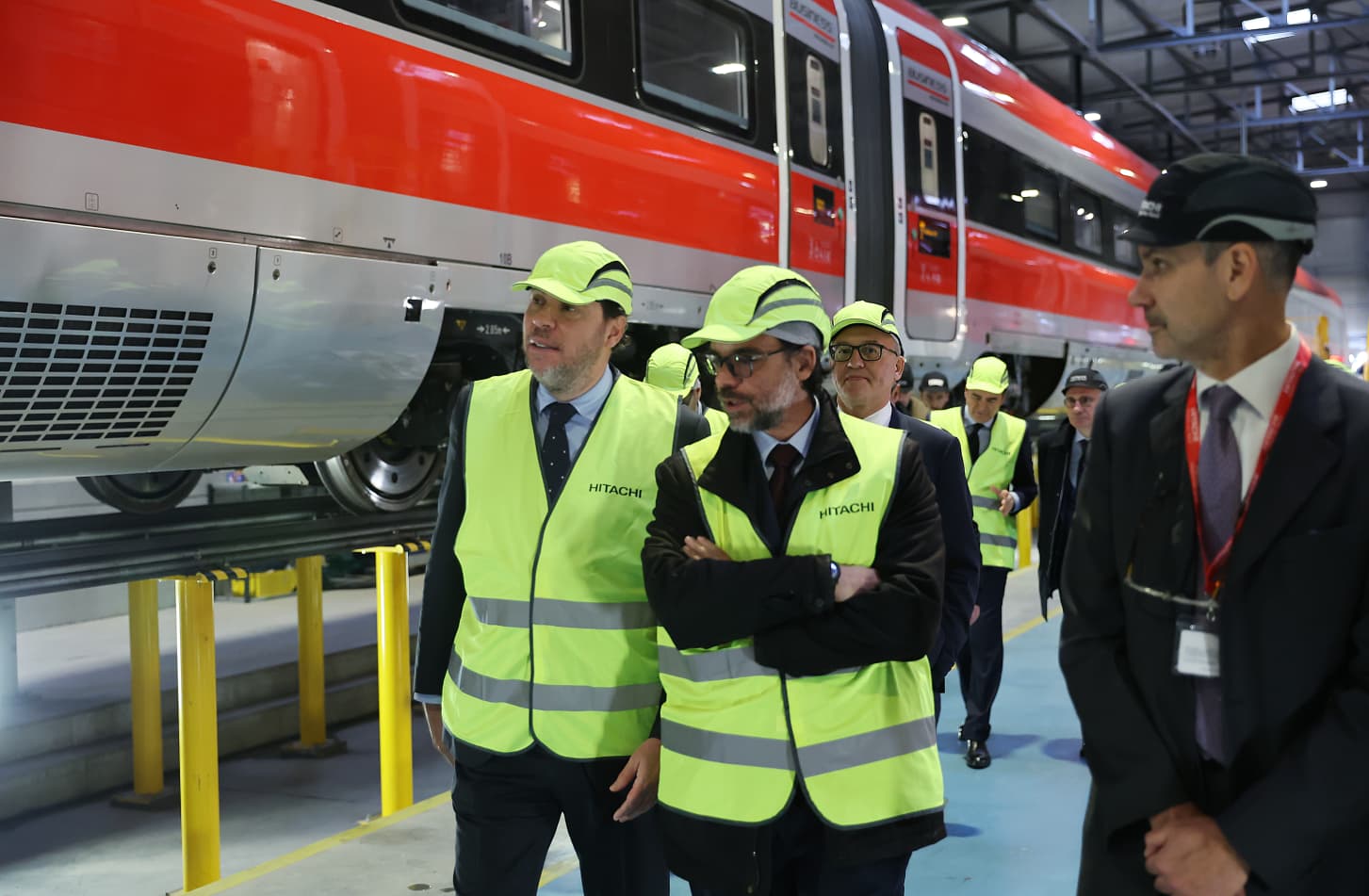
Renfe, Spain’s national rail operator, is embarking on a massive €1.362 billion investment to purchase 30 new high-speed trains, aiming to modernize its network and address ongoing service disruptions. This purchase follows a previous, halted order due to a tragic derailment. The project represents a significant step in Spain’s rail infrastructure development.
The decision to proceed with the order, despite rising industrial costs and the ongoing geopolitical instability fueled by the conflict in the Middle East, underscores the urgency of Renfe’s situation. The derailment in Adamuz, which resulted in 46 fatalities, dramatically highlighted critical safety concerns and prompted a thorough review of the Madrid-Seville high-speed line. These new trains, boasting a top speed of 350 km/h, are intended to alleviate overcrowding and improve overall service reliability across Renfe’s extensive network. Furthermore, the investment is expected to create thousands of jobs in the manufacturing and maintenance sectors, bolstering the Spanish economy. Analysts believe this bold move is a calculated attempt to regain public trust and demonstrate a commitment to enhanced safety standards within Spain’s high-speed rail system.
Summarized from the sources above. Read the originals for the full story.
Highlights
Renfe's Massive Train Order
Renfe is investing €1.362 billion to purchase 30 high-speed trains to address service disruptions and expand its network.
Safety Concerns Following Crash
The order follows a deadly train crash in Adamuz, raising significant safety concerns and prompting scrutiny of Renfe's operations.
Infrastructure Modernization Initiative
The investment represents a major effort to modernize Spain’s rail infrastructure and alleviate capacity issues.
Rising Costs Complicate Purchase
Increasing industrial costs and geopolitical instability, including the Middle East conflict, are adding complexity to the train acquisition.
Trains Reaching 350 km/h
The new trains are designed to operate at speeds of up to 350 km/h, significantly improving travel times.