Public executions in Iran cause protests.
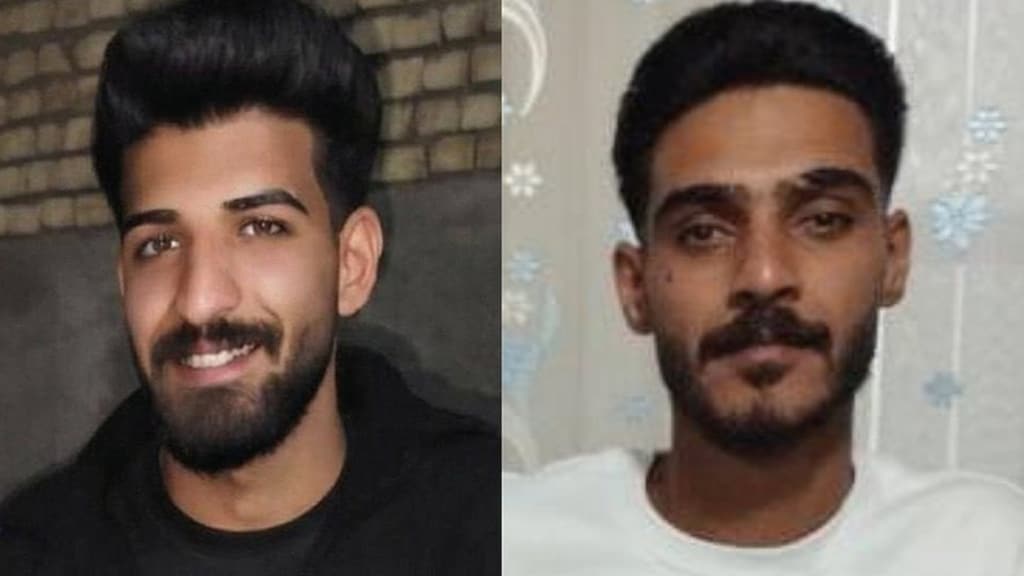
Two Iranian men were executed by public hanging in Isfahan on July 28th. This caused protests in the city. The government sent police to stop the demonstrations.
The executions of Abolfazl Sepahi Badjani and Amirhossein Safari Hosseinabadi occurred after they were arrested for taking part in anti-government protests in January. Amnesty International expressed concern about the situation and the potential for further human rights abuses. Protests erupted near the execution site, with hundreds of people gathering to show their anger. Police used riot control units to manage the crowds and maintain order. This marks the first public executions of the year in Iran.
Summarized from the sources above. Read the originals for the full story.
Highlights
Executions Triggered Protests
Two Iranian protesters were executed publicly in Isfahan on July 28th, causing protests.
Amnesty International Expresses Concern
Amnesty International warns of a threat of executions and human rights abuses in Iran.
Executions Linked to January Protests
The executed men were arrested for participating in anti-government protests in January.
Protests Gather Near Execution Site
Hundreds of people protested near the execution site in Isfahan.
Government Responds with Force
Police used anti-riot units to disperse the crowds during the protests.
Perspectives
- Two Iranian protesters were executed in Isfahan, Iran.
- Public executions triggered widespread anti-government protests.
- The government deployed riot control units to disperse crowds.
- Executions raised concerns about human rights and potential abuses.
The executions triggered immediate protests against the regime.
France24 English, New
The executions were a result of arrests for January protests.
RTL Nieuws, De Volkskrant