Dutch Parliament Debates Response to Rising Energy Costs
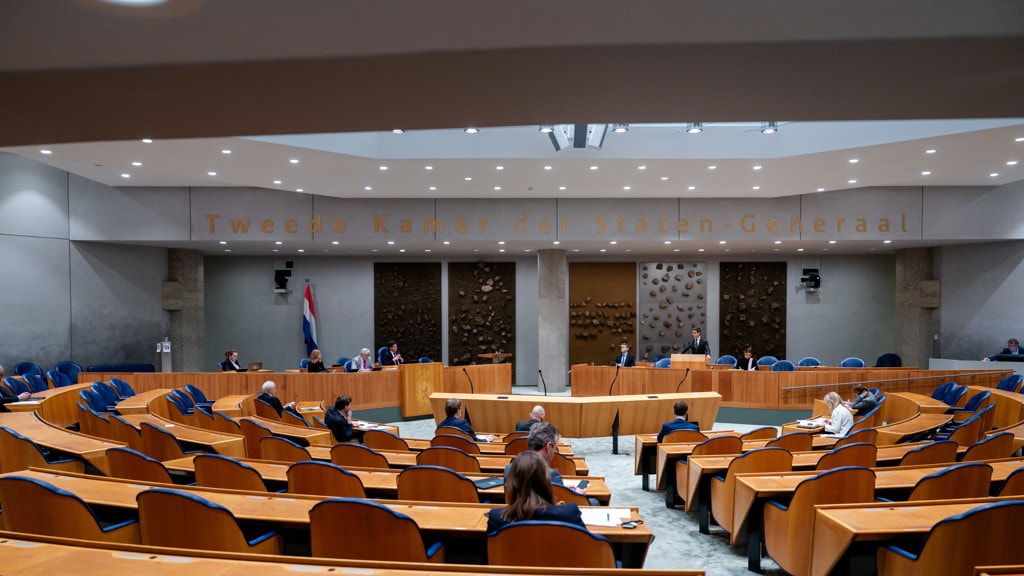
The Dutch Parliament is embroiled in a heated debate over rising fuel prices, largely attributed to the ongoing conflict in the Middle East. Lawmakers are considering a range of solutions, including price controls, tax reductions, and utilizing the Energy Emergency Fund, but significant disagreement and criticism are hindering any immediate action.
The core of the debate centers on the perceived lack of a clear, actionable plan from the D66 party, particularly regarding their approach to high gas prices, with accusations of vague proposals lacking concrete solutions. Several parliamentarians are questioning the government’s delayed response, citing concerns about a potential global crisis and limited financial resources. Furthermore, the discussion is complicated by the influence of international energy markets, particularly those in the United States, which are experiencing rapid and unpredictable shifts. While the government is conducting an inventory of potential measures, including exploring compensation for citizens, the situation is marked by growing impatience from the parliament and a cautious, assessment-driven approach, with a decision anticipated before the spring budget update. This complex interplay of factors underscores the Netherlands’ vulnerability to global energy fluctuations and the challenges of formulating effective policy responses.
Summarized from the sources above. Read the originals for the full story.
Highlights
Parliament Debates Fuel Price Solutions
The Dutch Parliament is actively debating various proposals to combat rising fuel prices driven by the Middle East conflict, including maximum prices and excise duty reductions.
D66 Criticized for Lack of Plan
Parliamentarians are sharply criticizing D66 for offering vague solutions regarding high gas prices without a concrete plan.
Government Delaying Intervention
The Dutch government is postponing concrete measures to address rising fuel prices, citing concerns about global economic instability and limited resources.
Economic Consequences Under Scrutiny
The Parliament is intensely focused on the economic consequences of the Middle East conflict, particularly the impact on fuel prices.
International Market Influence Discussed
Lawmakers are examining the potential influence of global energy markets, particularly events in the United States, on Dutch fuel prices.