IOC bans transgender women from Olympics
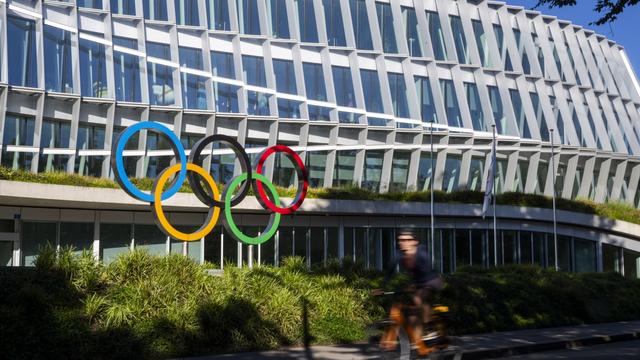
The International Olympic Committee (IOC) has decided to require genetic testing for female athletes competing in the 2028 Olympic Games. This policy will exclude transgender women and athletes with differences in sexual development from participating in women’s events. The decision follows ongoing debates about fairness and inclusion in sports.
The IOC’s decision, spearheaded by new president Kirsty Coventry, involves reintroducing chromosomal testing to determine gender eligibility. This policy change aims to address concerns about biological advantages and maintain a level playing field in women’s sports. The move has sparked significant debate regarding inclusivity and the definition of ‘biological female’. Several national Olympic committees, including the Dutch National Olympic Committee (NOC*NSF), have expressed surprise and raised questions about the new regulations. The IOC’s justification centers on perceived biological advantages, and the testing protocol is currently under development.
Summarized from the sources above. Read the originals for the full story.
Highlights
IOC Announces Gender Testing Policy
The International Olympic Committee (IOC) has announced a new policy requiring all female athletes to undergo genetic testing before competing in international events, starting in 2028.
Trans Women Excluded from Olympics
The IOC has ruled that trans women will not be allowed to compete in the women’s category at the 2028 Olympic Games, aiming to safeguard the integrity of the women’s category.
Concern Over Athlete Privacy
The implementation of gender testing raises concerns about athlete privacy and inclusion, sparking debate within the sporting community.
Genetic Testing Reintroduced
The IOC has reintroduced chromosomal testing for female athletes competing in events at the 2028 Los Angeles Olympics, a policy previously in place from 1968 to 1996.
Fair Competition Concerns
The IOC’s decision to implement mandatory gender tests is driven by concerns about fairness in competition and the protection of women’s sports categories.
Perspectives
- The IOC is implementing new policies regarding gender testing for female athletes.
- The primary concern driving the policy change is ensuring fair competition.
- The 2028 Los Angeles Olympics are the key timeframe for these new regulations.
- The decision has sparked significant debate and controversy within the sporting world.
The IOC prioritizes maintaining a level playing field for cisgender women, focusing on chromosomal markers (SRY gene carriers).
IOC, ZEIT Online, RTL Nieuws, Dagens Nyheter
Critics argue the IOC’s definition is overly simplistic and potentially discriminatory against transgender athletes, focusing solely on genetics.
tagesschau, DR Nyheder, RFI, New
The IOC’s policy effectively excludes transgender women from women’s Olympic events, prioritizing cisgender women’s participation.
Dagens Nyheter, RFI, ZEIT Online
Critics argue this exclusion is discriminatory and ignores the scientific evidence regarding hormone therapy and athletic performance.
tagesschau, DR Nyheder, New
The IOC justifies the testing as necessary for ensuring fair competition and protecting the integrity of women’s sports.
IOC, tagesschau, RTL Nieuws
Critics raise concerns about the invasiveness of the testing, potential for discrimination, and broader ethical implications.
DR Nyheder, RFI, Dagens Nyheter