Danish Election: Thousands of Blank Votes Due to Errors
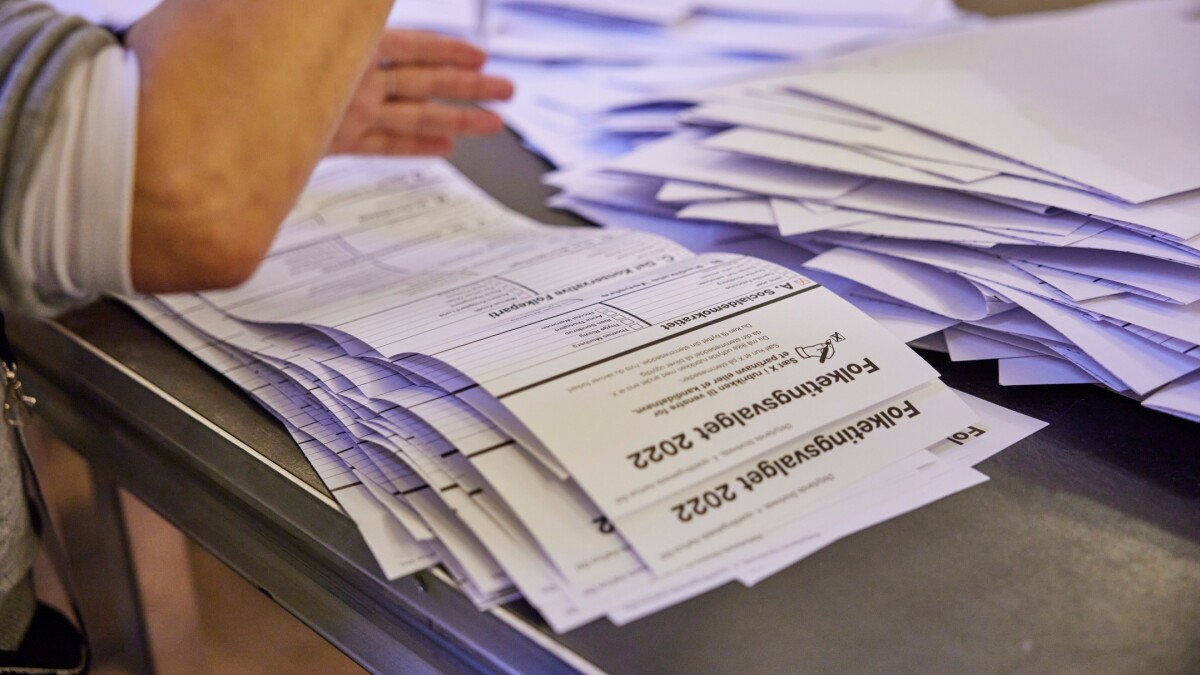
A surprising surge in blank votes – over 46,000 – during Denmark’s recent parliamentary election has sparked concern and prompted an investigation into voter engagement and potential electoral irregularities. Simultaneously, the Danish Parliament has issued an apology for a separate, significant error: approximately 13,000 unregistered voters were mistakenly allowed to cast ballots, raising serious questions about the integrity of the election.
The blank votes, representing a substantial portion of the electorate, are currently being scrutinized by electoral officials and political analysts. Theories range from widespread dissatisfaction with the major parties to deliberate attempts to disrupt the voting process. The error regarding unregistered voters stemmed from a data processing malfunction during the voter registration phase, a problem the Folketinget acknowledged as a critical failure in their systems. This incident has triggered a thorough review of the entire voter registration system, including stricter verification procedures and enhanced data security measures. The opposition parties have seized upon the dual errors to criticize the government’s handling of the election and demand greater transparency and accountability within the electoral commission.
Summarized from the sources above. Read the originals for the full story.
Highlights
Blank Votes Raise Voter Concerns
Over 46,000 Danish voters cast blank ballots in the recent election, prompting analysis of voter engagement and potential electoral process issues.
Parliament Admits Voter Registration Error
Approximately 13,000 unregistered voters were mistakenly allowed to vote in the Danish election, triggering an investigation and calls for improved protocols.
Integrity of Election Questioned
The significant number of unregistered voters raises serious concerns about the overall integrity of the Danish electoral process.
Procedural Oversight Needed
The incident highlights the need for improved voter registration procedures within the Danish Parliament.
Investigation Launched Immediately
Following the discovery, an immediate investigation was launched to determine the cause and scope of the error.