“‘Hart, aber Fair’ Debate Stalls at Pump”
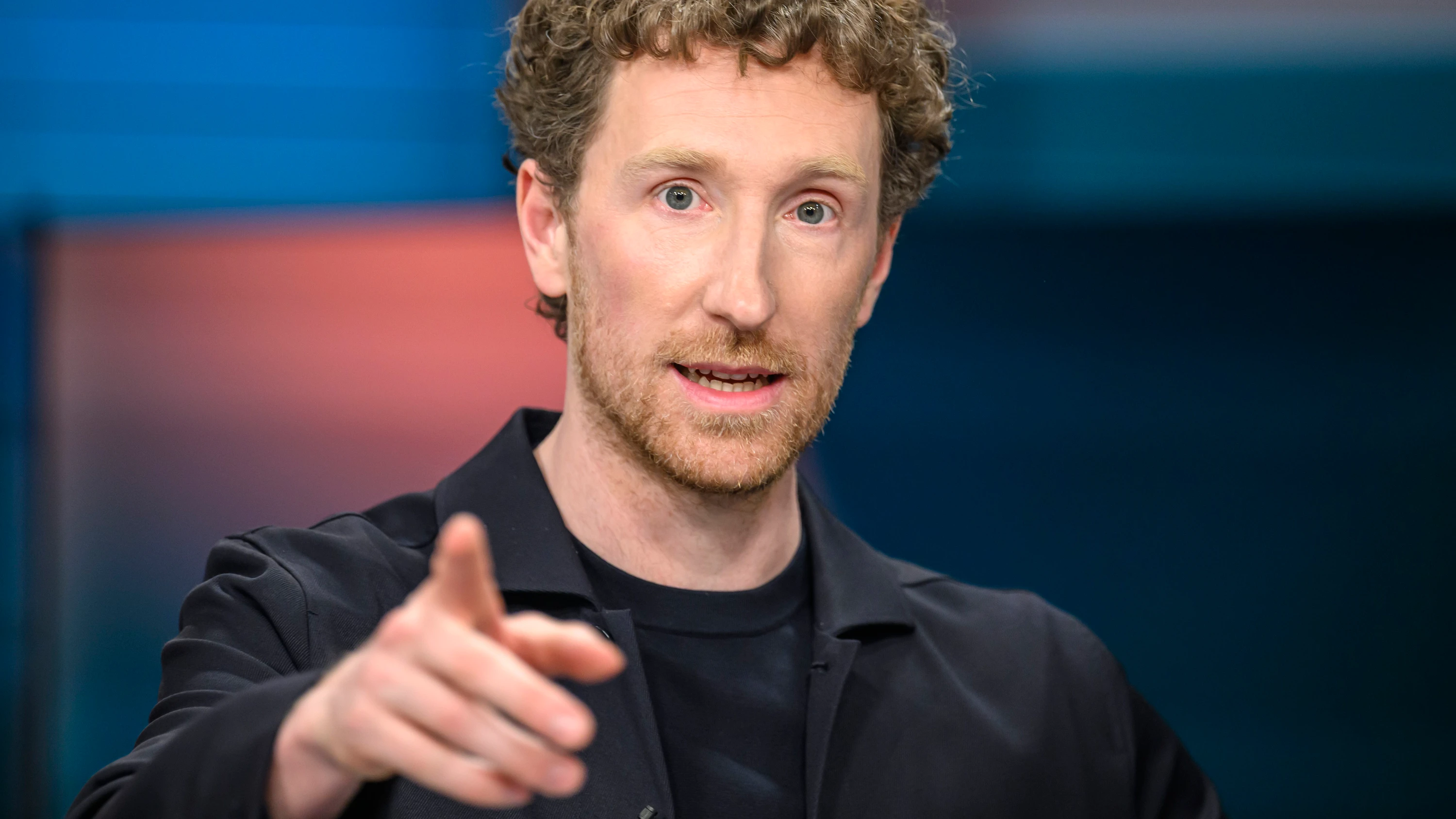
German television show ‘Hart, aber Fair’ ignited a national debate on Monday by scrutinizing the government’s handling of rapidly increasing fuel prices. The program’s focus on gas stations quickly escalated to a broader discussion about the crisis’s impact on the country. This sparked immediate criticism regarding the show’s approach and the government’s perceived inaction.
The ‘Hart, aber Fair’ segment, known for its pointed questioning of political figures, drew considerable attention for its direct challenge to Chancellor Olaf Scholz’s administration. Critics argued that the show’s framing of the issue as simply ‘high gas prices’ obscured the complex factors driving the surge, including geopolitical tensions in Eastern Europe and ongoing supply chain disruptions. Furthermore, the program’s focus on immediate consumer impact, rather than exploring potential long-term solutions like investment in renewable energy or alternative transportation, was seen as a missed opportunity. The debate highlighted a growing public frustration with the government’s perceived lack of decisive action and a willingness to address the root causes of the economic hardship.
Summarized from the sources above. Read the originals for the full story.
Highlights
‘Hart, aber Fair’ Addresses Fuel Prices
The German television show ‘Hart, aber Fair’ dedicated its broadcast to the escalating issue of rising fuel prices and the government’s perceived inaction.
Criticism of Limited Scope
Critics argued the program lacked depth and failed to adequately address the root causes of the fuel price crisis.
Pump Prices as Initial Focus
The initial discussion centered on the immediate problem of high gas prices at the pumps.
Broader Political Implications Examined
The program expanded its scope to consider the wider political ramifications of the rising fuel costs.
Delayed Engagement with Systemic Issues
The show faced criticism for delaying engagement with the underlying systemic issues contributing to the crisis.