Men's Hatred: Toxic Masculinity Fuels Anger and Resentment
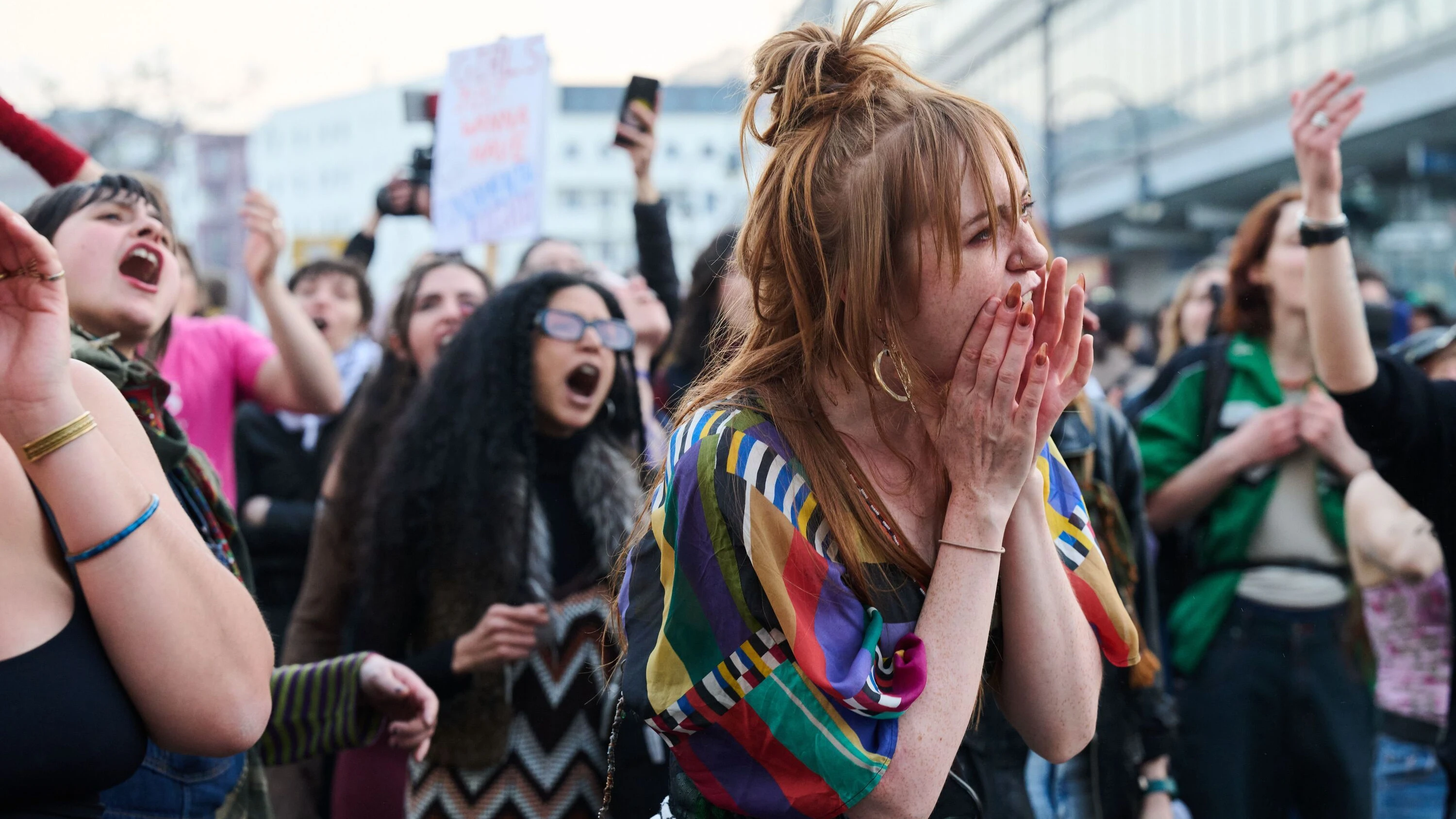
A growing trend of misandry – or hatred towards men – is emerging in Germany, fueled by a complex mix of factors including identity politics and societal anxieties. Recent reports and a study are pointing to increasing resentment and hostility, particularly among young men, raising serious concerns about the direction of German society. This phenomenon is being viewed as a significant social issue demanding attention and analysis.
The rise in misandry appears to be intricately linked to the broader shifts in German society, specifically the intensification of identity politics and the resulting feelings of marginalization. Researchers suggest that loneliness and status anxiety, prevalent among younger generations, are exacerbating existing frustrations. Furthermore, the perceived devaluation of traditional gender roles and the rise of vocal feminist movements have contributed to a sense of grievance among men who feel their concerns are being dismissed. Experts warn that this trend could have serious consequences, potentially leading to increased social division and a decline in constructive dialogue. The situation is prompting calls for greater understanding and a nuanced approach to addressing the underlying issues driving this complex dynamic.
Summarized from the sources above. Read the originals for the full story.
Highlights
Rise of Misandry in Germany
The article highlights a concerning trend of misandry – hatred towards men – gaining traction in Germany, fueled by identity politics and male frustration.
Resentment and Hostility Towards Women
A study reveals a rise in resentment and hostility towards women, particularly among young men, stemming from factors like loneliness and societal devaluation.
Link to Social Anxiety
Loneliness, status anxiety, and social protest are identified as key drivers behind the increasing negativity towards women.
Misogyny's Potential Consequences
The trend raises serious concerns about the potential consequences of misogyny and its impact on German society.
Identity Politics' Role
The article suggests that identity politics contributes to the growing frustration and anger among men, exacerbating the issue.