Cabinet Reverses Plan, Allows Priority for New Immigrant Housing.
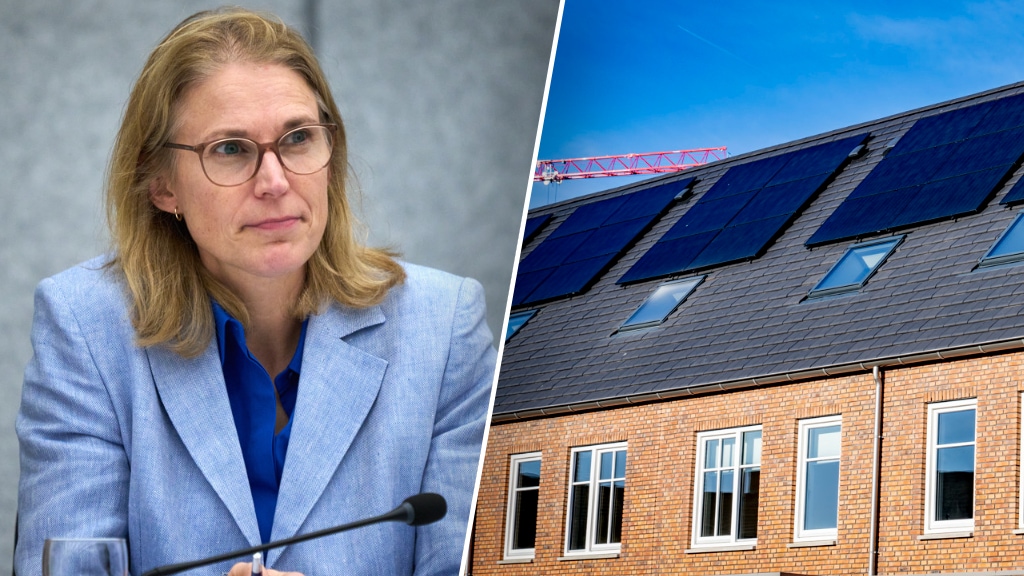
The Dutch government has dramatically reversed its previous plan to automatically prioritize asylum seekers for social housing, a move that sparked considerable debate and legal challenges. This sudden shift reflects ongoing concerns about housing shortages and integration efforts within the country.
The initial proposal, spearheaded by Housing Minister Eleanor Boekholt-O'Sullivan, sought to establish a national mandate for prioritizing asylum seekers in social housing, a policy already implemented at the local level. However, this plan faced significant opposition, leading to legal challenges arguing it unfairly favored a specific group of applicants. Ultimately, the government decided to relinquish this centralized control, returning authority to municipalities to determine prioritization. Simultaneously, the government is developing a new strategy to accommodate refugees with residency permits, signaling a broader approach to integrating newcomers and addressing the persistent housing crisis. This reversal highlights the complex and evolving nature of Dutch housing policy and the ongoing tensions surrounding asylum seeker integration.
Summarized from the sources above. Read the originals for the full story.
Highlights
Government Reverses Prioritization Policy
The Dutch government has abandoned a plan to automatically prioritize asylum seekers for social housing, opting for a new approach.
Municipal Authority Remains
Local municipalities retain the power to determine housing priority for asylum seekers, a previously established policy.
Legal Challenges Drive Change
Legal challenges regarding unfair prioritization led to the government’s reversal of the initial proposal.
New Housing Plan Emerges
The government is now developing a plan to specifically house refugees with residency permits.
Integration Challenges Persist
The shift reflects ongoing difficulties in integrating newcomers and managing housing demand effectively.