50 Years After Argentine Military Coup, Protests Continue
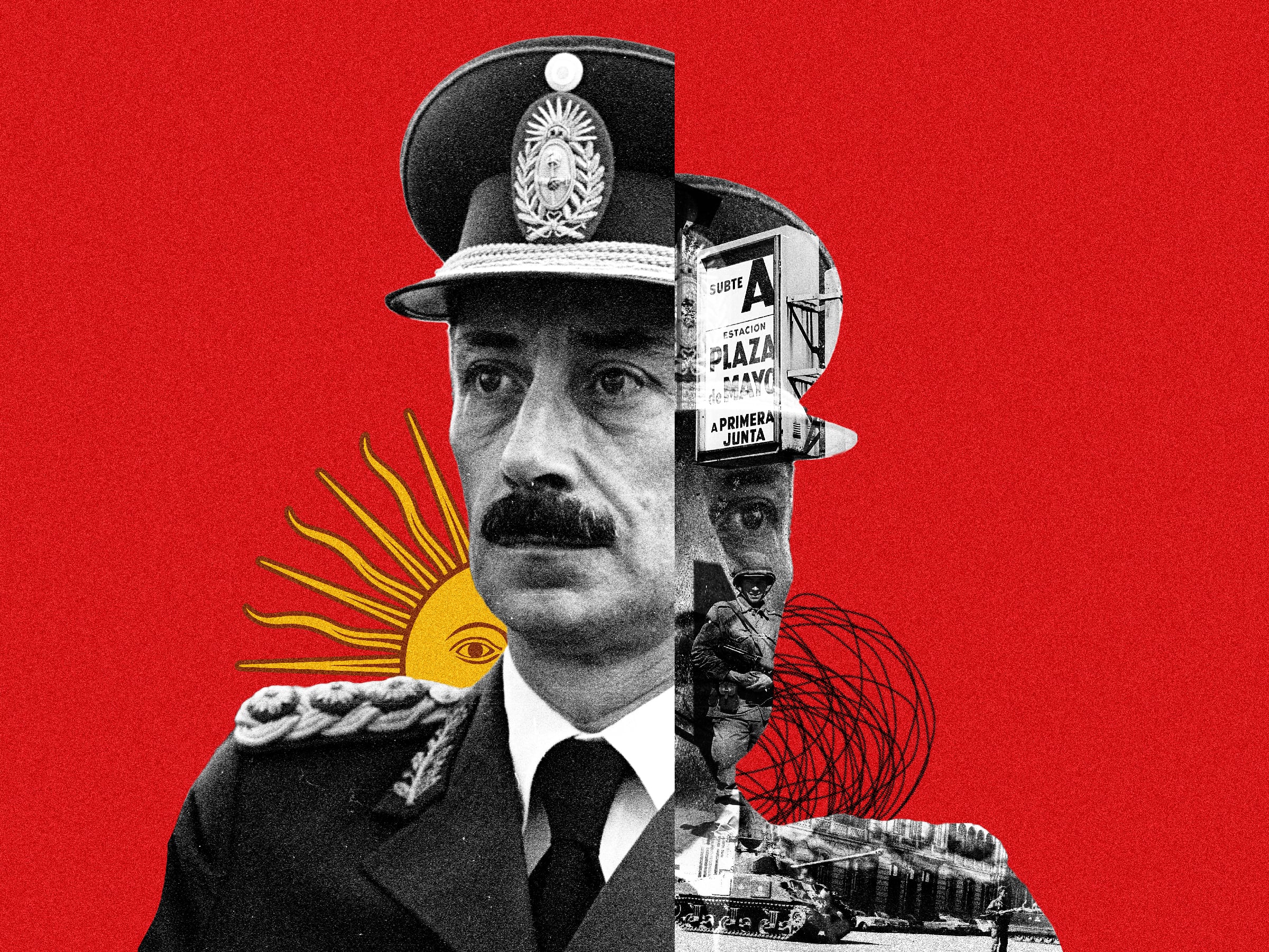
Argentina is marking the 50th anniversary of the 1976 military coup, a watershed moment in the nation’s history, triggering renewed debates and protests surrounding the event’s legacy and the ongoing struggle for justice and accountability. The anniversary is particularly contentious due to attempts to revise the historical narrative, primarily by President Javier Milei. This has ignited a fierce response from opposition groups and human rights organizations.
The 1976 coup, which overthrew Isabel Perón’s government and ushered in a period of military dictatorship, remains a deeply divisive issue in Argentina. Estimates of the number of victims – including over 30,000 disappeared – vary significantly, fueling the current controversy. President Milei’s efforts to minimize the scale of state terrorism and downplay the atrocities of the regime have been met with widespread condemnation. Large-scale demonstrations, organized by groups like the Mothers and Grandmothers of Plaza de Mayo, have underscored the continued demand for truth, justice, and an acknowledgment of the suffering inflicted upon Argentinians during this dark period. The anniversary serves as a stark reminder of the unresolved human rights violations and the ongoing need for a complete and honest reckoning with Argentina’s past.
Summarized from the sources above. Read the originals for the full story.
Highlights
Commemoration of 50th Anniversary
Multiple sources reported widespread commemorations and marches across Argentina to mark the 50th anniversary of the 1976 military coup.
Milei's Revisionist Views
President Javier Milei is facing criticism for attempting to reinterpret the history of the coup and downplay the scale of state terrorism.
Ongoing Debate on Victims
A central point of contention is the accurate number of victims of the dictatorship, fueling a debate between the government and the opposition.
Protests Demand Justice
Large-scale protests, led by groups like Mothers and Grandmothers of Plaza de Mayo, demanded justice and remembrance for the disappeared.
Historical Revisionism Concerns
The anniversary highlighted concerns about historical revisionism and attempts to erase the memory of the dictatorship's atrocities.
Perspectives
- The 1976 military coup in Argentina was a significant and controversial event.
- There are ongoing debates and commemorations surrounding the coup's legacy.
- The anniversary reignites discussions about human rights violations and historical memory.
- Large-scale protests have occurred to mark the 50th anniversary.
President Milei is attempting to reinterpret the coup's history, minimizing its severity and focusing on broader political issues.
Der Spiegel, El País
Demonstrators and human rights groups are demanding full accountability for the atrocities of the dictatorship and rejecting any attempts to downplay the regime's crimes.
ANSA, El País, New
The focus is on the number of victims and the need to acknowledge the scale of the human rights abuses.
Der Spiegel, El País
The emphasis is on the ongoing struggle for justice and remembrance for the disappeared and victims of state terrorism.
ANSA, El País, New