Huthi Delaying Involvement in Iran-Israel Conflict
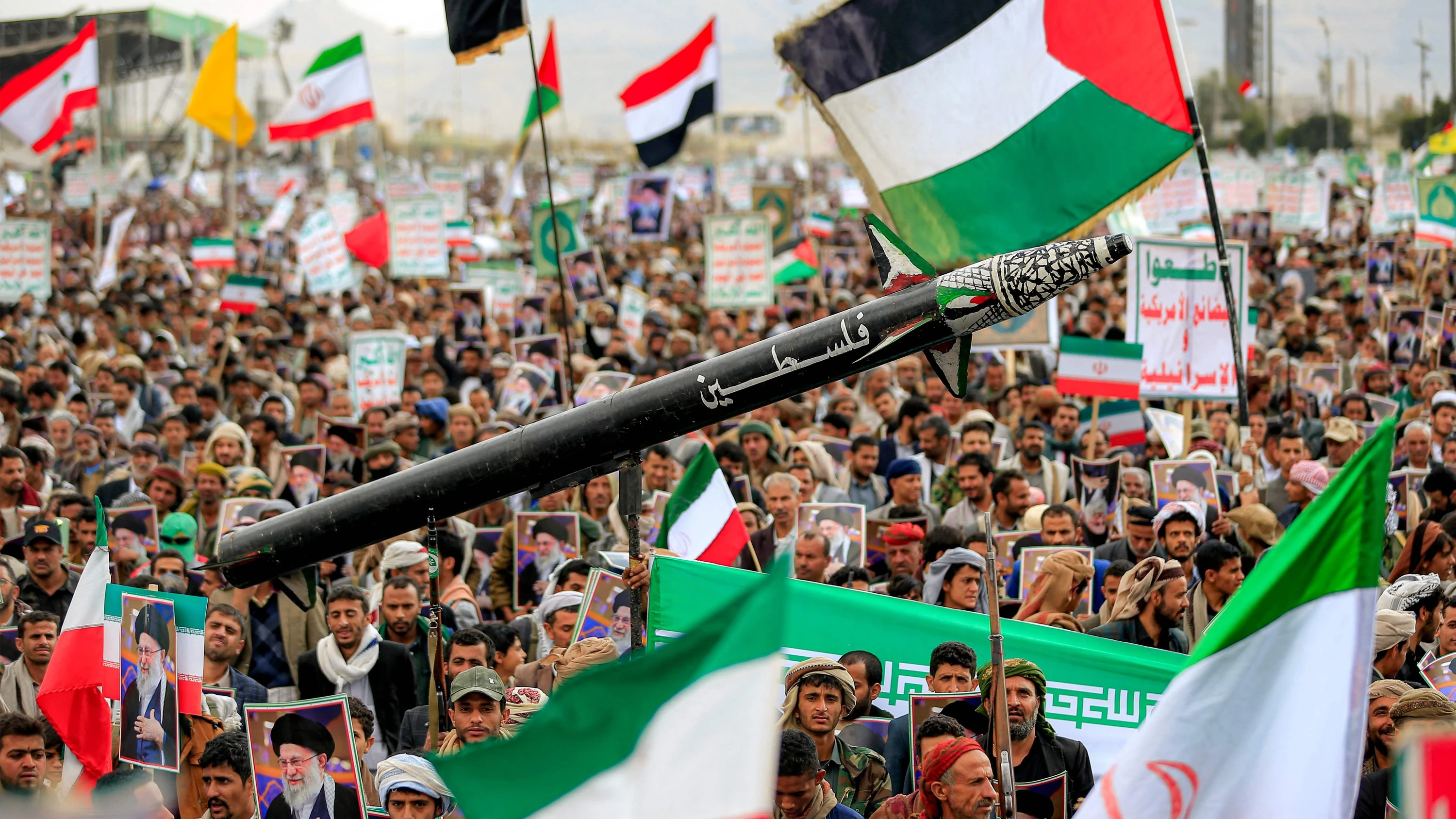
Despite possessing considerable rocket capabilities and facing pressure from Iran, the Houthi rebels of Yemen have refrained from directly engaging in the escalating conflict between Iran and Israel. This strategic choice has sparked significant concern regarding potential ramifications for global trade routes, regional stability, and the broader geopolitical landscape. The Houthi’s reluctance to intervene remains a critical point of observation for analysts worldwide.
The Houthi’s decision to remain neutral is largely attributed to a calculated assessment of the risks involved. Sources indicate the group is prioritizing the protection of its own territory and existing alliances, particularly with Saudi Arabia, rather than aligning fully with Iran’s objectives. Furthermore, the Houthi’s awareness of the ‘Nadelöhre’ – the strategically vital chokepoints within global trade lanes, particularly the Red Sea – suggests a desire to maintain access to these routes and avoid becoming a direct target. This passive stance has been interpreted by analysts as a deliberate weakening of the ‘Axis of Resistance,’ potentially diminishing Iran’s influence in the region. The ongoing situation underscores the precarious balance of power and the potential for further escalation as various actors navigate this complex and volatile conflict.
Summarized from the sources above. Read the originals for the full story.
Highlights
Houthi Strategic Pause
The Houthi rebels are deliberately avoiding direct involvement in the Iran-Israel conflict, prioritizing strategic considerations and minimizing escalation risks.
Geopolitical Implications of Houthi Stance
The Houthi’s continued neutrality is recognized by adversaries as a potential game-changer, impacting global trade and regional power dynamics.
Weakening the ‘Axis of Resistance’
The Houthi’s reluctance to fully support Iran’s efforts exposes a weakness within the ‘Axis of Resistance’ and complicates regional alliances.
Tactical Delay, Not Abandonment
The Houthi’s inaction is a calculated tactic, allowing them to observe the conflict and assess its impact on their own security.
Regional Instability Concerns
The Houthi’s cautious approach highlights the potential for wider regional instability and the complex interplay of forces in the conflict.
Perspectives
- The Houthis, backed by Iran, have not yet intervened in the conflict.
- Their potential involvement could have significant geopolitical implications.
- The Houthi’s decision is largely driven by tactical considerations.
- The situation highlights the potential for wider regional instability.
Analysts believe the Houthi’s inaction is a calculated strategy to avoid escalation and protect their own security.
De Volkskrant, DW Deutsch
The Houthi’s decision reveals a weakness within the ‘Axis of Resistance’ and prioritizes other concerns.
FAZ, Der Standard