Trump Signals Possible Withdrawal as US Reinforces Middle East Troops
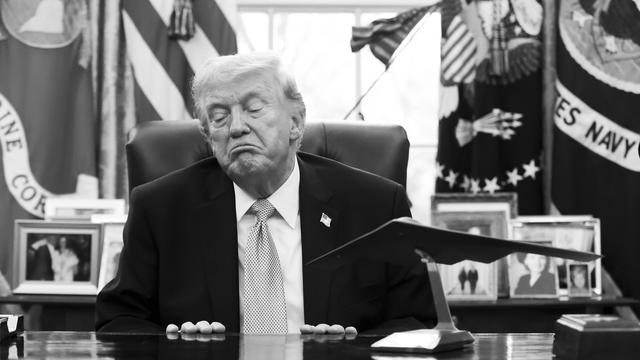
Former U.S. President Donald Trump is reportedly considering a strategy to ‘wind down’ the ongoing conflict with Iran, advocating for increased international oversight of the Strait of Hormuz and suggesting other nations should take responsibility for its security. This shift in approach is occurring amidst continued military deployments and conflicting statements from Trump regarding the situation, raising concerns about potential escalation and the future of US policy in the volatile Middle East.
Trump’s evolving strategy, initially dismissing a ceasefire while simultaneously ordering thousands of additional troops to the Middle East, creates a significant degree of confusion and uncertainty. Reports indicate he believes the US is nearing its objectives in the conflict, yet continues to advocate for external control of the strategically vital Strait of Hormuz. This approach has drawn criticism from allies, particularly NATO members, who have been perceived as lacking sufficient support. The deployment of elite forces and naval assets to the Persian Gulf further intensifies these tensions, fueling speculation about a potential escalation. The situation is complicated by Trump’s contradictory statements and his continued rhetoric regarding foreign policy, including his past criticisms of Iran and his assertion that he would initiate a war. This complex and shifting landscape raises serious questions about the stability of the region and the long-term implications of US involvement.
Summarized from the sources above. Read the originals for the full story.
Highlights
Trump Considers ‘Winding Down’ Iran Conflict
US President Trump is contemplating a strategy to reduce military involvement in the Iran-Iraq conflict, advocating for international oversight of the Strait of Hormuz.
Trump Announces Shift in Iran Strategy
President Trump stated the US was nearing its goals in the conflict with Iran, proposing a ‘winding down’ of operations and increased international control of the Strait of Hormuz.
Trump’s Contradictory Statements Fuel Tensions
Trump’s conflicting statements regarding a ceasefire and attack reduction created confusion and raised concerns about potential escalation in the volatile Middle East.
Troop Deployments Escalate Middle East Concerns
The US deployed thousands more marines and warships to the Middle East, alongside Trump’s ‘winding down’ strategy, intensifying tensions and raising concerns about escalation.
Trump Claims Victory, Sparks International Criticism
Trump declared the Iran-Iraq War ‘won,’ sparking criticism and renewed tensions with countries involved, highlighting his disregard for diplomatic norms.
Perspectives
- Most sources agree that Donald Trump is considering a shift in US policy regarding the Iran-Iraq conflict.
- A key point of agreement is that the US is nearing its objectives in the ongoing war.
- There is consensus that the Strait of Hormuz is a critical waterway requiring external control.
- Sources generally acknowledge the volatile and escalating nature of the conflict in the Middle East.
Trump is considering a ‘winding down’ or ‘gradual reduction’ of military operations, aiming for a ceasefire or de-escalation.
DW English, Der Spiegel, France24 English, RTBF
Trump is nearing the fulfillment of US objectives and is not considering a ceasefire, advocating for maintaining control of the Strait of Hormuz and continuing attacks.
FAZ, DW English, ZEIT Online, New
Trump is contemplating a pullback of a potential military intervention, suggesting a shift away from direct involvement.
FAZ, Der Spiegel, DW English, RTBF
Trump is deploying thousands more troops and ships, signaling continued US involvement and a potential escalation.
France24 English, New